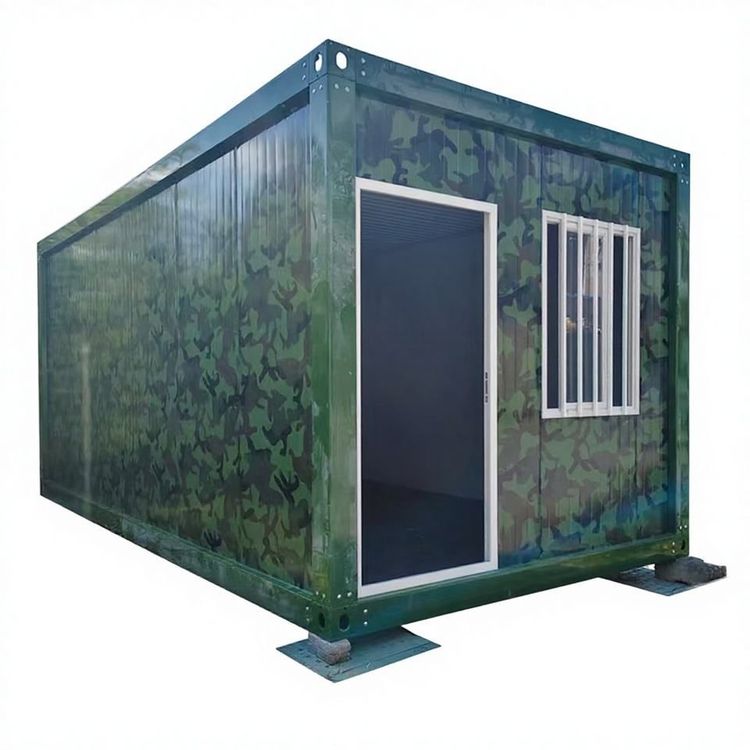
Steel Structure Prefabricated Housing
Steel structure prefabricated housing is a building form centered on a steel structure system, assembled on-site with industrialized prefabricated components. It offers advantages such as earthquake resistance, flexibility, and environmental friendliness, and is widely used in residential and temporary building sectors, driven by policies towards low-cost and highly integrated development.
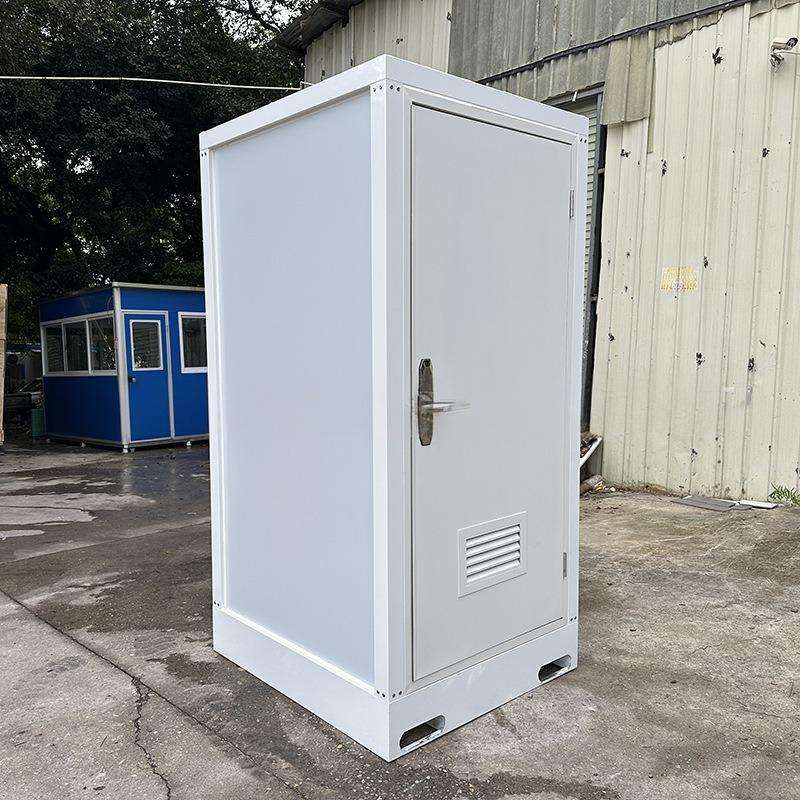
Structural System and Construction Method
Steel structure prefabricated housing primarily employs steel frame and steel frame-bracing systems, combined with prefabricated technology for industrialized component production. Key components include prefabricated beams, slabs, walls, and columns, which are rapidly assembled on-site using bolts or welding to form a complete building. For example, Changshu Yazhi modular steel structure housing adopts a factory-based production and rapid on-site installation model, reducing construction time by over 50% compared to traditional buildings, with no construction waste generated, meeting green construction requirements.
Performance Advantages
- Earthquake and Wind Resistance: Steel structures have good ductility and low self-weight, effectively absorbing seismic energy and withstanding wind forces of up to 12 levels or more, suitable for earthquake-prone or high-wind regions.
- Spatial Flexibility: Large-span designs reduce interior load-bearing walls, allowing for flexible spatial layouts to meet diverse needs in residential, office, and commercial applications.
- Green and Low-Carbon: Steel has a recycling rate exceeding 90%, reducing construction waste; industrialized production lowers energy consumption, aligning with sustainable development goals.
- Strong Adaptability: It has low foundation requirements, enabling construction on complex terrains such as soft soil and mountainous areas; modular design supports expansion, relocation, or reuse.
Application Scenarios and Market
Domestically, it has been applied in projects such as affordable housing (e.g., Baotou Wanjun Metropolis) and commercial housing (e.g., Hangzhou Qianjiang Century City talent housing), extending to temporary buildings and emergency shelters. Enterprises like Yazhi Group offer economical products with dimensions of 6058mm×2438mm×2800mm, made of color steel plates, supporting bulk customization (100-499 units priced at 18,000 yuan per unit). In exports, Guangzhou Customs reported 1.4 billion yuan in activity housing (including steel structure prefabricated housing) exports in the first four months of 2026, a 38.1% year-on-year increase, indicating growing international demand.
Policies and Industry Trends
The state plans to increase the application ratio of steel structures in newly started residential buildings to 10% by 2030 (currently around 7%), promoting the development of prefabricated construction. The industry is reducing construction costs by 15%-20% through innovations like hidden frame steel structure systems, enhancing market competitiveness. Technologically, steel structure prefabricated housing falls under frame-prefabricated construction, with high modularity and integration, representing a key direction for future building industrialization.