
Back to blog
Article
Usage of Steel Structure Mobile Toilets
Admin October 05, 2026
Steel structure mobile toilets are suitable for a variety of scenarios, including tourist attractions, construction sites, large-scale events, wilderness campsites, and municipal roads, due to their modularity, durability, convenience, and mobility. When using them, attention should be paid to key points such as corrosion prevention, foundation, water supply and drainage, and industry standards.
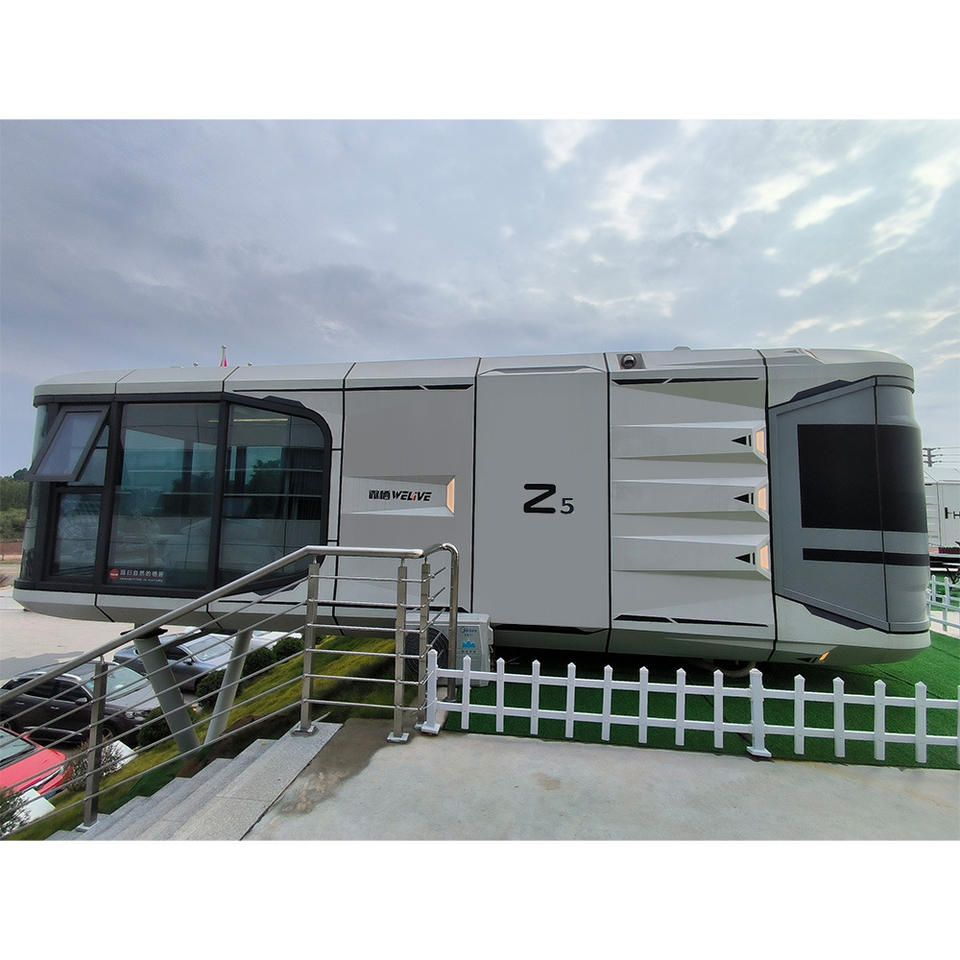
Applicable Scenarios and Advantages
- Tourist Attractions and Parks: The modular design allows for quick installation, harmonizes with natural landscapes, alleviates toilet pressure during peak seasons, and avoids wet construction pollution.
- Construction Sites and Temporary Projects: No foundation treatment is required; they can be directly hoisted and are equipped with stainless steel toilets and exhaust systems. The load-bearing structure is suitable for frequent handling.
- Large-Scale Events and Emergency Scenarios: The modular advantage supports rapid assembly, meeting the short-term large-scale deployment needs of music festivals, marathons, etc.
- Wilderness Parks and Campsites: Combined with integrated sewage treatment equipment, they achieve on-site达标 (up-to-standard) sewage discharge. The lightweight structure adapts to uneven ground, and they have strong anti-theft performance.
- Municipal Roads and Bus Hubs: They have strong weather resistance, can withstand temperature differences from -30℃ to 60℃, and are treated with fluorocarbon paint or electrostatic spraying to resist acids, alkalis, and ultraviolet rays.
Technical Points and Precautions
- Steel Structure Design: The main frame adopts a 100mm-thick steel structure box welding process, with a load-bearing capacity related to a self-weight of 2000kg. The fully welded structure is more integral than bolt connections, but in areas with large temperature differences, attention should be paid to stress concentration caused by metal thermal expansion and contraction.
- Corrosion Prevention: In outdoor environments, ensure the hot-dip galvanized layer thickness is ≥85μm, or choose weathering steel; the rust prevention treatment process for welded joints should adapt to the humidity of the deployment location.
- Foundation and Stability: For long-term use, it is recommended to pour a concrete foundation ≥100mm thick to prevent settlement; additional weight design is required in high-altitude or windy areas.
- Water Supply and Drainage System: When connecting to the municipal water supply network, pipeline insulation is required in winter (e.g., electric tracing tape); in scenarios without a water source, a water storage tank ≥200L and a water pump should be equipped.
- Waste Treatment: The flame-retardant incineration system is equipped with a 220V motor-driven blower and should match the expected waste treatment volume to avoid excessive power dependence.
Evaluation and Maintenance
- Slope Roof Drainage Design: The inclination angle should be precisely calculated to ensure rapid drainage of rainwater from welded joints, adapting to the local maximum rainfall intensity.
- Fire Prevention and Safety: The steel structure should be treated with fire-resistant coatings, complying with the "GB 50016-2014 Code for Fire Protection Design of Buildings".
- Environmental Management: Production should comply with the "GB/T 24001-2016 Environmental Management System" to reduce environmental impacts during construction and use.



