
Steel-Concrete Prefabricated Panel House
A steel-concrete prefabricated panel house is a type of building constructed primarily using prefabricated panels, featuring specific characteristics, issues, and development status.
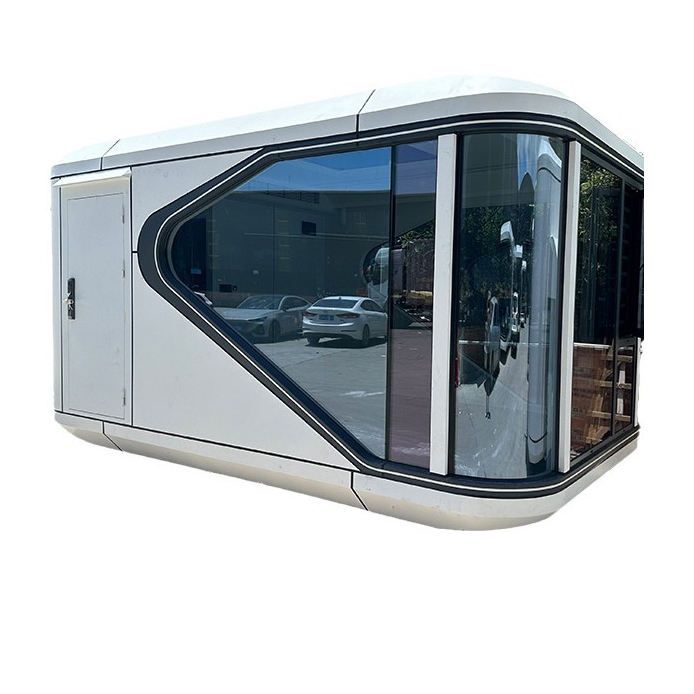
Characteristics and Origins:
The prefabricated panels in steel-concrete prefabricated panel houses are cement components manufactured in factories. They are formed by nailing wooden models, arranging steel bars, and pouring cement, and are classified into solid and hollow types. This construction method originated in the early 20th century, and many residential buildings constructed in China before 1985 adopted this structural form.
Existing Issues:
Existing steel-concrete prefabricated panel houses generally suffer from weak earthquake resistance, poor sound and thermal insulation, among other problems. Their service life is approximately 30 to 50 years, but it is influenced by various factors. From the perspective of the panel material itself, its lifespan is the same as that of concrete, which can reach over 70 years, but it may decrease due to usage conditions. For example, the sinking of the house itself may cause the prefabricated panels to crack, and during earthquakes, the lack of earthquake resistance can severely affect their service life. Houses built with prefabricated panels can last for decades or even a century without earthquakes or structural deformation, but they may undergo significant changes with varying conditions, such as cracking along with the main building structure.
Development, Replacement, and Policies:
With the advancement of construction technology, cast-in-place concrete and prefabricated buildings are gradually replacing traditional prefabricated panel houses. Prefabricated buildings utilize modular factory-prefabricated components. For instance, CMC (Composite Modular Construction) buildings enhance earthquake resistance through integrated steel-concrete pouring, reducing construction time by 30% compared to traditional methods. Since 2022, China has implemented renovation policies for old buildings, focusing on repairing and renovating prefabricated panel houses and only demolishing those that meet the criteria for dangerous buildings. Some regions have already initiated demolition work. This policy aims to balance housing safety and resource utilization, extending the service life of buildings through targeted renovations while gradually phasing out structures with severe safety hazards, promoting the construction industry towards a safer and more efficient direction.



