
Standard Residential Container House
Standard residential container houses typically offer safety, hygiene, and basic rest functions, but the container dormitories used at the Nagoya Asian Games have sparked controversy due to issues such as cramped spaces and inadequate facilities. Whether they meet the “standard” needs to be judged based on specific scenarios and requirements.
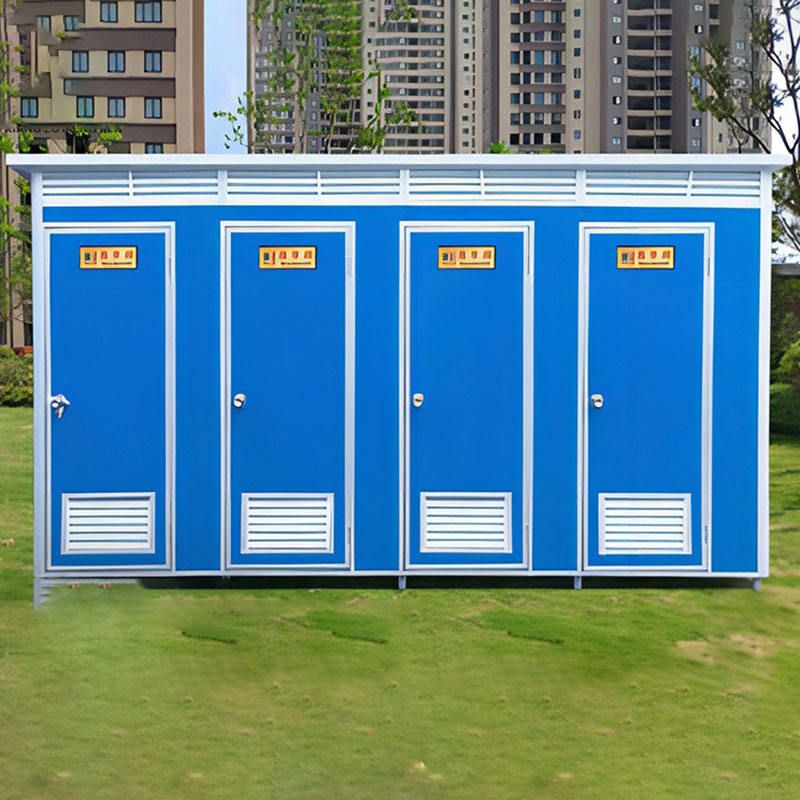
1. Compliance: Meeting the Minimum Requirements of the Olympic Council of Asia
The core requirements of the Olympic Council of Asia for athletes' accommodation are safety, hygiene, and meeting basic rest needs, without mandating the unified construction of an Asian Games Village. The container dormitories at the Nagoya Asian Games were equipped with independent toilets, bathrooms, refrigerators, washing machines, air conditioners, and barrier-free ramps at the entrances for each household. On paper, the configuration met the minimum standard. The plan passed the inspection by the Coordination Committee of the Olympic Council of Asia in 2025, indicating no regulatory flaws.
2. Actual Experience: Limitations in Space and Facilities
Cramped Living Space
Each unit consists of two households, with three people per household. The ceiling height is only 2.2 meters, making tall athletes feel oppressed. The single beds measure 195cm × 90cm, leaving basketball and volleyball players with their ankles hanging off the bed and making it difficult to turn over. The aisles in double-bed rooms are narrow, requiring occupants to avoid each other when moving simultaneously.Inadequate Facility Configuration
Each container is equipped with only one air conditioner, which struggles to cool effectively in humid and hot conditions. The organizing committee suggested “opening the door for ventilation before closing it to sleep,” indirectly reflecting the insufficient power of the air conditioners. The sound insulation is poor, necessitating the use of earplugs at night. During heavy rain, severe waterlogging occurred in the container area, leading to the emergency relocation of over 400 athletes and exposing defects in the drainage system.Commuting and Layout Issues
The dormitories are distributed across five cities, with some athletes needing to take a one-hour bus ride to reach the venues, affecting their rest and preparation rhythm. The overall layout adopts a “cruise ship + container + scattered hotels” model, which is inconvenient for management and increases security risks.
3. Controversy Focus: The Cost of Low-Cost Event Organization
The original budget for the Nagoya Asian Games was 85 billion yen, but it soared to 240 billion yen, with sponsorship and ticket revenues falling far short of expectations. To cut costs, the organizing committee abandoned the construction of a new athletes' village and opted for container dormitories instead. Although compliant, athletes generally found the conditions shabby, with some delegations renting hotels at their own expense to ensure quality rest.



