
Standard Mobile Toilet Quality
The quality of standard mobile toilets should be comprehensively evaluated from four dimensions: structure and materials, sewage discharge systems, supporting facilities and functions, and relevant certifications and implementation standards, as detailed below:
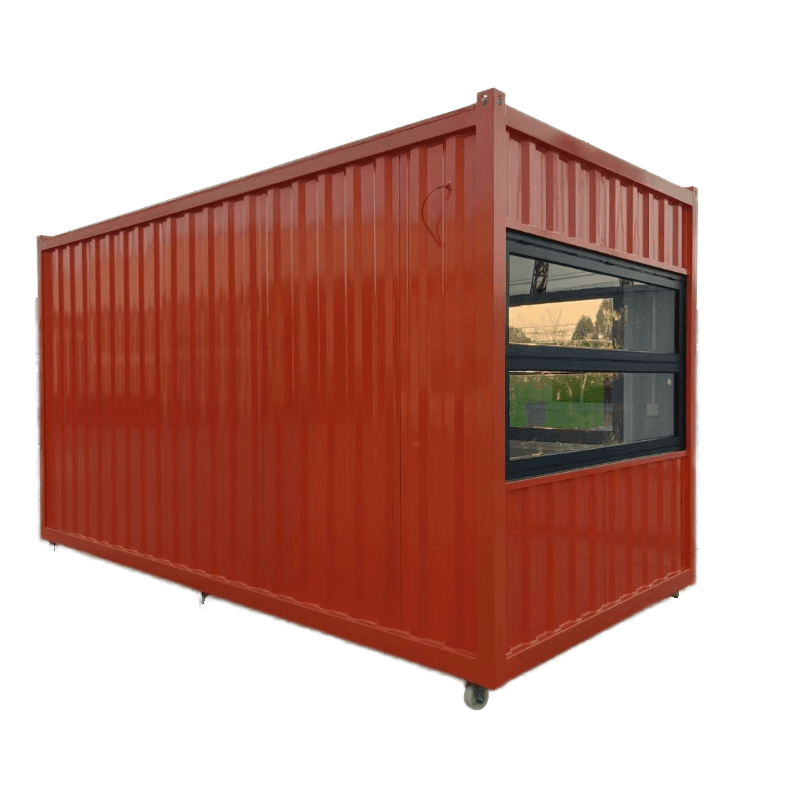
1. Structure and Material Standards
The main frame should be made of high-strength, corrosion-resistant materials, such as hot-dip galvanized steel pipes or steel structures. The wall thickness of the main steel pipes is recommended to be ≥2.5mm, with a wind resistance rating of at least Level 10, and corrosion resistance verified through salt spray tests. Wall materials should balance durability and functionality: exterior walls commonly use metal carved panels or color-steel composite panels, while interior walls select easy-to-clean, moisture-resistant materials like stone plastic panels or aluminum-plastic panels, with internal filling of rock wool and other flame-retardant insulation materials to meet fire safety requirements. The floor should be waterproof and slip-resistant, with recommendations for slip-resistant patterned aluminum plates or reinforced composite flooring to prevent water accumulation or slipping hazards.
2. Sewage Discharge System Standards
Choose an appropriate sewage discharge method based on the usage scenario:
- Water-flush direct discharge type: Requires connection to municipal sewage pipes, with a stable and water-saving flushing system, and a recommended single flush volume of ≤6L;
- Waterless packing/microbial degradation type: Suitable for areas without sewage pipe networks, ensuring good sealing, no odor leakage, and microbial degradation efficiency meeting environmental requirements (e.g., degradation cycle ≤24 hours);
- Recirculating water flushing type: Purifies flushing water through biological treatment technology for reuse, requiring verification of water treatment effectiveness (e.g., COD removal rate ≥80%) and the stability of the recirculation system (e.g., continuous operation for 72 hours without failure).
3. Supporting Facilities and Function Standards
Internal configurations should meet basic usage needs, including exhaust fans, lighting, sinks, mirrors, shelves, paper towel holders, and hooks. The ventilation and deodorization system should be equipped with high-power exhaust fans (recommended air volume ≥300m³/h) or active fresh air systems to ensure air circulation. For electrical safety, all wiring should adopt moisture-resistant and waterproof designs, with grounding protection devices installed to prevent electric shock risks.
4. Relevant Certifications and Implementation Standards
Production should comply with national standards, such as GB/T 18092-2000 Waterless Flush Toilets and CJ/T 378-2011 Portable Toilets, with steel structures referencing GB50017-2017 Steel Structure Design Standard. Products should pass third-party testing agency certifications to ensure material environmental friendliness (e.g., formaldehyde emission ≤0.124mg/m³), fire resistance ratings (e.g., wall material combustion performance reaching Class A), and overall structural safety.



