Standard Mobile Toilet
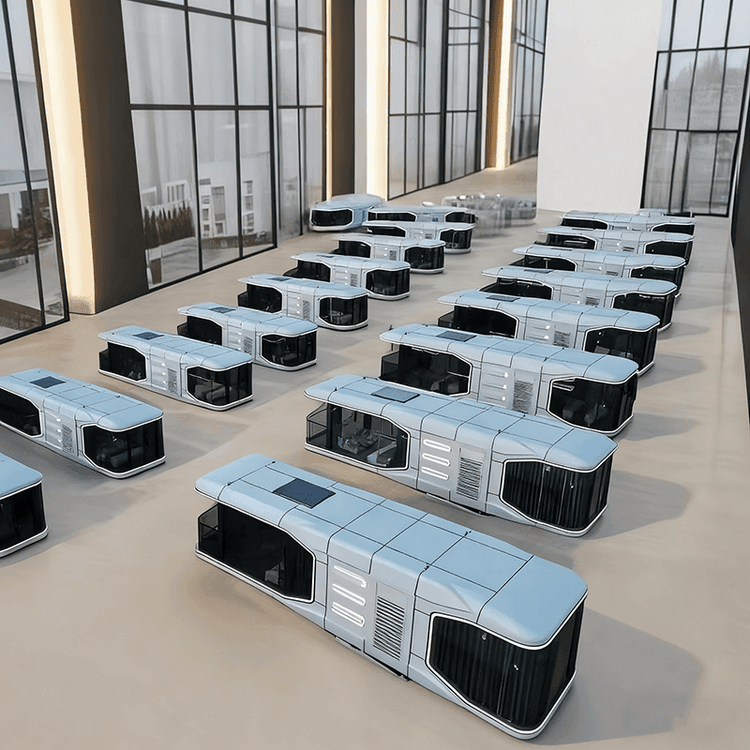
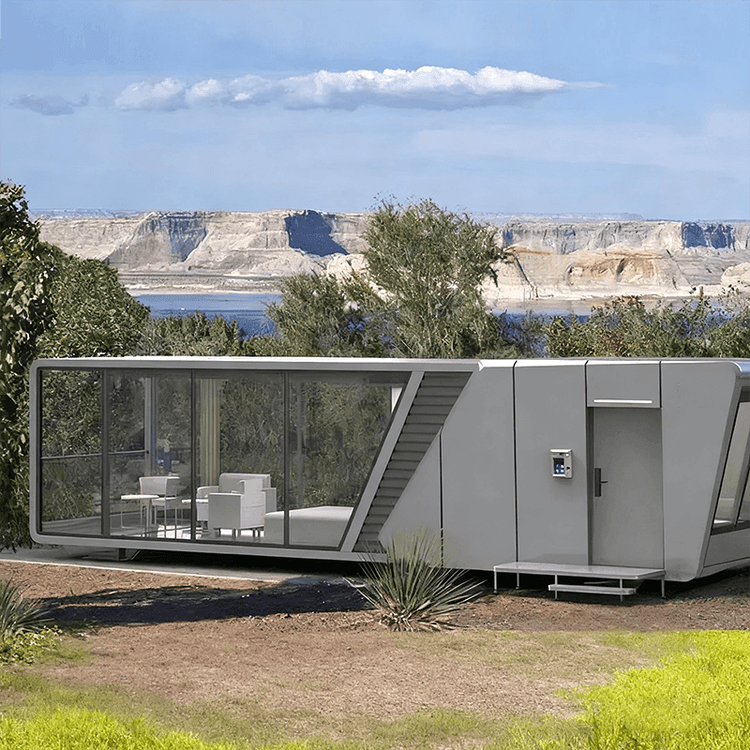
The standard mobile toilet is a temporary sanitation facility characterized by its sturdy structure, comprehensive functionality, diverse sewage treatment options, and convenient and eco-friendly design.

In terms of structure and materials: The main structure of the standard mobile toilet is welded using national standard steel, which offers high strength and stability, ensuring the overall robustness of the toilet. Its surface is covered with anti-corrosion and fire-resistant materials such as color-coated steel plates or metal carved panels, which not only provide excellent corrosion resistance and fire performance but also extend the toilet's service life to over 20 years. Additionally, the exterior wall materials can be selected according to different needs, such as color-coated steel plates, metal carved panels, or anti-corrosion wood, meeting diverse aesthetic requirements.
Regarding functional configurations: It is equipped with an independent urinal and toilet partitioned treatment system. The urine channel utilizes gravity flow, while the feces channel is cleaned by a piston-type scraper mechanical device, ensuring effective treatment of excreta and maintaining internal cleanliness. It also features anti-slip flooring to prevent users from slipping and getting injured, automatic flushing toilet bowls for easy cleaning after use, and a ventilation and lighting system to provide a comfortable environment. Standard configurations include a toilet bowl (urinal), coat and hat hooks, a vanity mirror, a waste bin, lighting fixtures, an exhaust fan, a door lock, and an occupancy indicator light, meeting users' basic needs.
In terms of sewage treatment methods: There are multiple options available. Water-flush and waterless suction types, circulating water-flush types, and dry packing types are common. The circulating water-flush type is equipped with intermittent aerobic and anaerobic treatment devices, allowing the treated water to be recycled for flushing, thus achieving efficient water resource utilization. The dry packing type does not have a water-flush mechanism; instead, excreta is collected in biodegradable plastic bags, which are automatically replaced and collected for centralized treatment after use, avoiding water waste and the environmental impact of sewage discharge.
Regarding design principles: It adheres to the principles of mobility, cost-effectiveness, durability, environmental protection, ecological friendliness, efficiency enhancement, and humanitarian promotion. Its overall structure is lightweight yet sturdy, facilitating easy transportation and repeated use, enabling rapid deployment to required locations and meeting the needs of temporary sanitation facilities.
In terms of application scenarios: It is suitable for stations, docks, tourist attractions, villa areas, newly built residential communities, large construction sites, squares, densely populated public places, and bustling commercial streets, providing convenient sanitation conditions for people's travel and daily life in these locations.