Second Floor of Standard Container House
The second floor of a standard container house has multiple uses, but unauthorized construction may be deemed illegal.
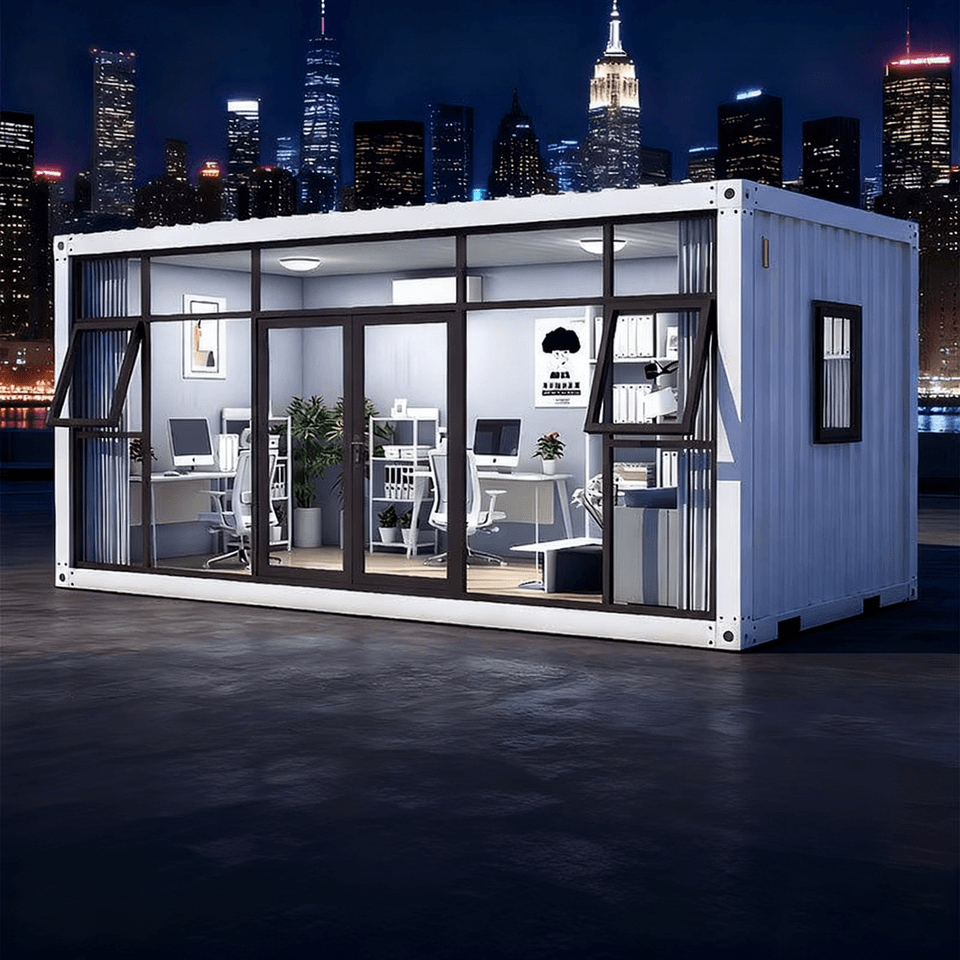
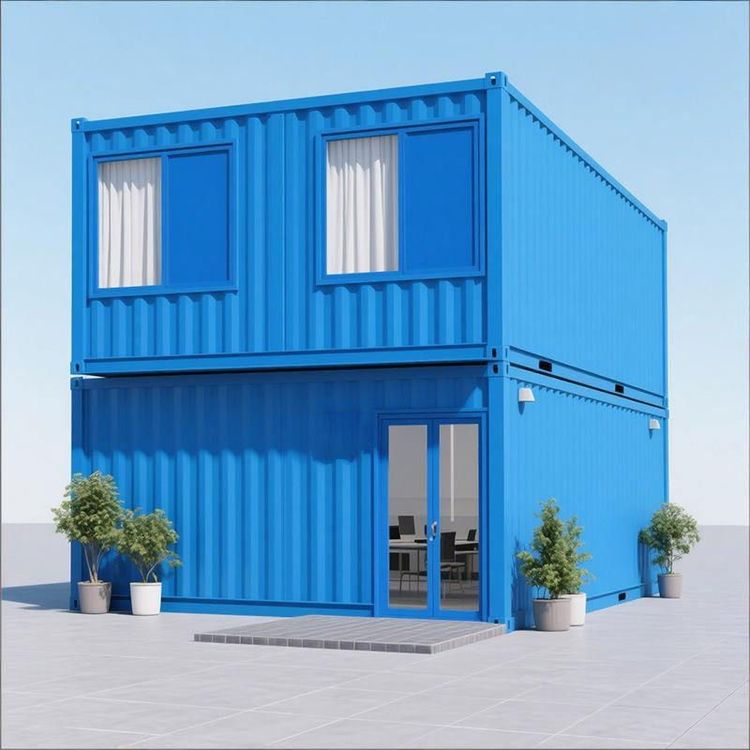
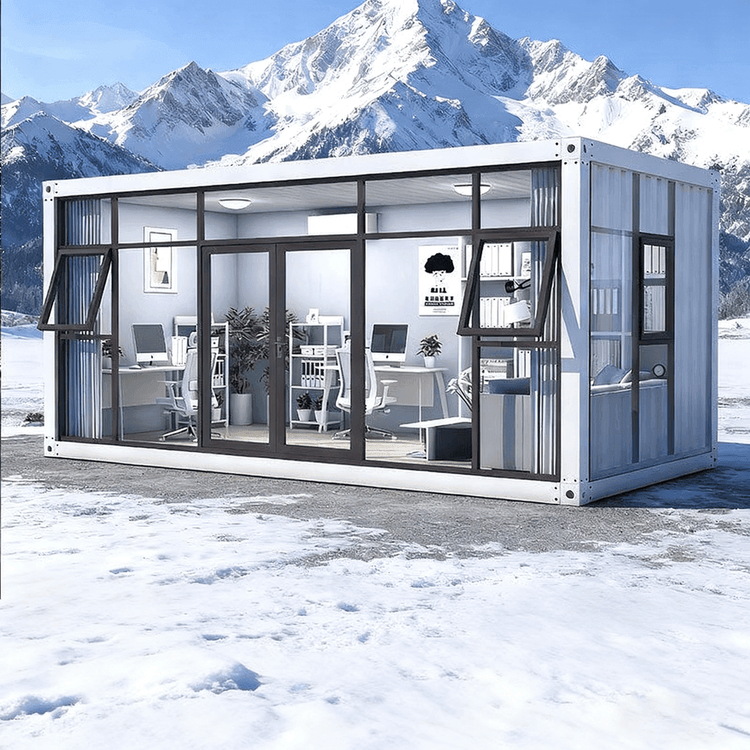
I. Uses The second floor of a standard container house has a wide range of uses. It can be used for temporary accommodation, providing convenience for short-term living needs, such as offering lodging for tourists during the peak travel season. It can also serve as a bed-and-breakfast, with the unique container style attracting tourists seeking individuality. In office settings, the second floor of a container house can create independent office spaces. For example, two-story container office buildings can meet the office needs of different departments. On construction sites, it can function as dormitories for workers or offices for management personnel, facilitating construction management. In scenic areas, the second floor of a container house can serve as an observation deck or a special rest area, offering tourists a unique experience. For instance, there are two-story container office buildings with 35 containers on the front and 30 containers on each side, using fully prefabricated container movable houses assembled on-site. Such large-scale container house combinations can meet various functional requirements.
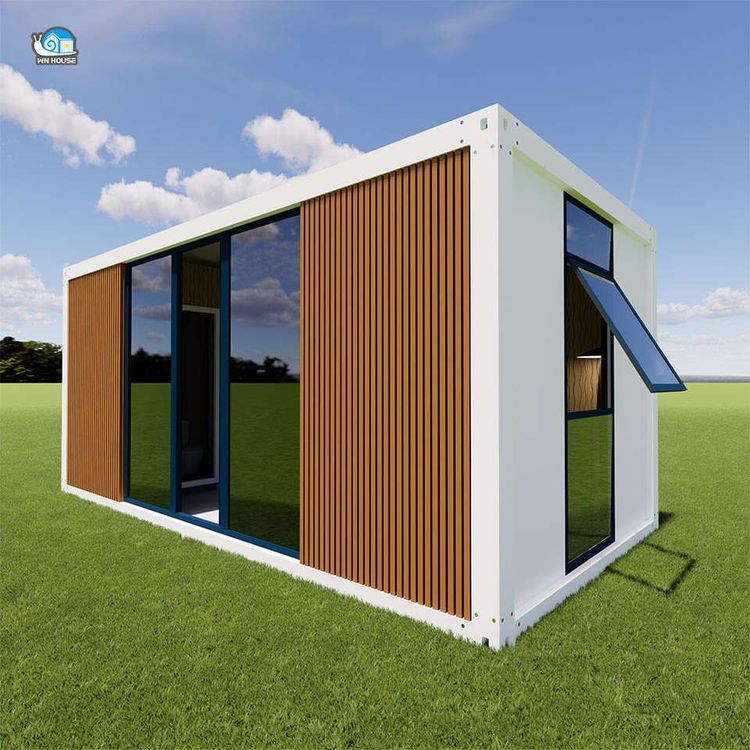
II. Construction Situation Currently, some people are building movable double-story container houses that can be relocated at any time. This mobility gives container houses strong flexibility, allowing them to be repositioned and relocated according to actual needs, making them suitable for temporary projects or those requiring frequent location changes.
III. Illegal Construction Determination It should be noted that placing containers on the second-floor balcony without approval may be classified as illegal construction. Taking an example from a residential community in Daojiao Town, a homeowner placed a container on the second-floor platform, and the urban management department deemed it illegal construction and ordered its removal. The homeowner argued that the container was merely placed on the platform without being fixed with screws or other objects, so it did not fall under the category of a building, and the second-floor platform was private space. However, the urban management department stated that the container in question had not obtained a construction engineering planning permit. Moreover, even if the homeowner considered the second-floor platform private space, according to relevant regulations, no structure could be built or erected in the public areas of this construction project without obtaining a construction engineering planning permit, so it was illegal construction. This indicates that when building facilities related to the second floor of a standard container house, relevant approval procedures must be obtained in accordance with the law; otherwise, there is a risk of being deemed illegal construction.