Standard Container House Customization
Customizing standard container houses requires a comprehensive evaluation from four dimensions: manufacturer qualifications, product performance, customization capabilities, and service processes. The key points are as follows:

I. Prioritize leading manufacturers with full-process service capabilities
Leading enterprises typically have in-house R&D teams, standardized production lines, and professional installation teams, enabling them to provide full-chain services from design to on-site implementation. For example, Zhonghui Energy Storage Container Company offers customization services for energy storage-specific containers and commercial creative containers, covering the entire R&D, production, and installation process. Suzhou Zhongnan Steel Structure Co., Ltd.'s packing-box units adopt a factory prefabrication + on-site rapid assembly model, completing the delivery of 1,000 accommodation modules for the Qatar World Cup Fan Village within three months, 40% shorter than the industry average. These enterprises possess complete qualifications, and their products have passed extreme working condition tests. For instance, Zhongnan's packing-box units have a wind resistance rating of Level 12, earthquake resistance of Level 8, and a frame deformation rate of only 0.18%, significantly lower than the industry's acceptable threshold of 0.3%.
II. Match product performance parameters according to usage scenarios
For temporary office and accommodation scenarios, focus on installation efficiency and layout flexibility: Zhongnan's rapid assembly units require only 2 hours for single-unit installation, support on-demand splicing, and can complete the construction of 10 standard dormitories within a day. CIMC's standard container houses require 3 hours for single-unit installation but have limited layout adjustability. For long-term on-site projects, it is advisable to choose packing-box units pre-installed with interiors and facilities, which can be put into use immediately after on-site hoisting. In extreme climate regions, verify wind and sand resistance, freeze resistance, and corrosion resistance. For example, Shaanxi Qiaonuo New Energy's energy storage containers are optimized for the windy and cold conditions of northwest China, improving box sealing and insulation materials.
III. Clearly define customization requirements and cost boundaries
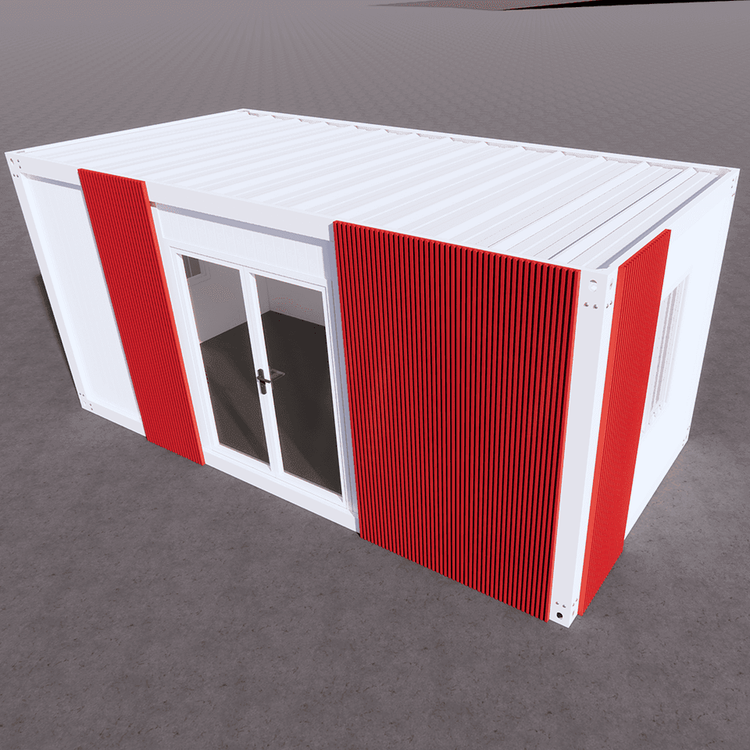
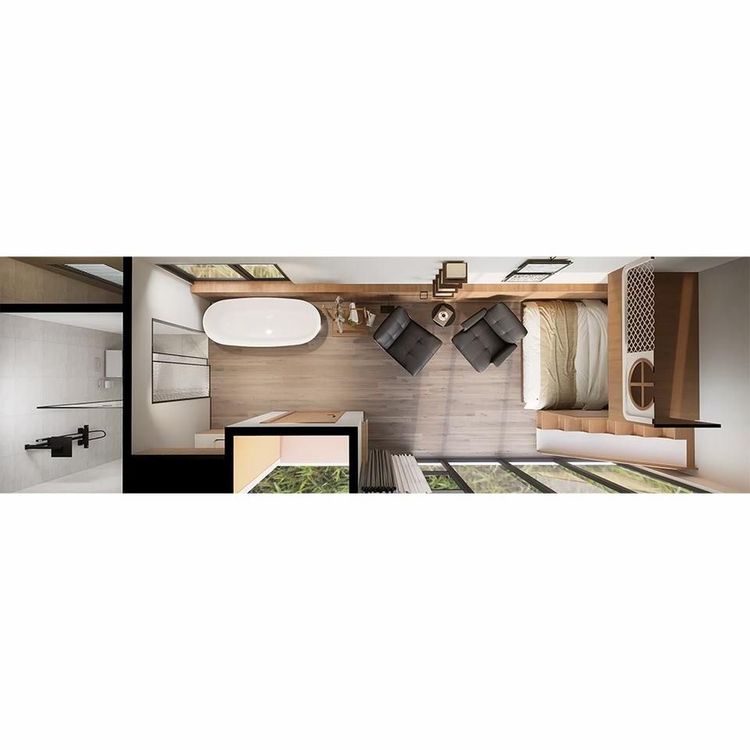
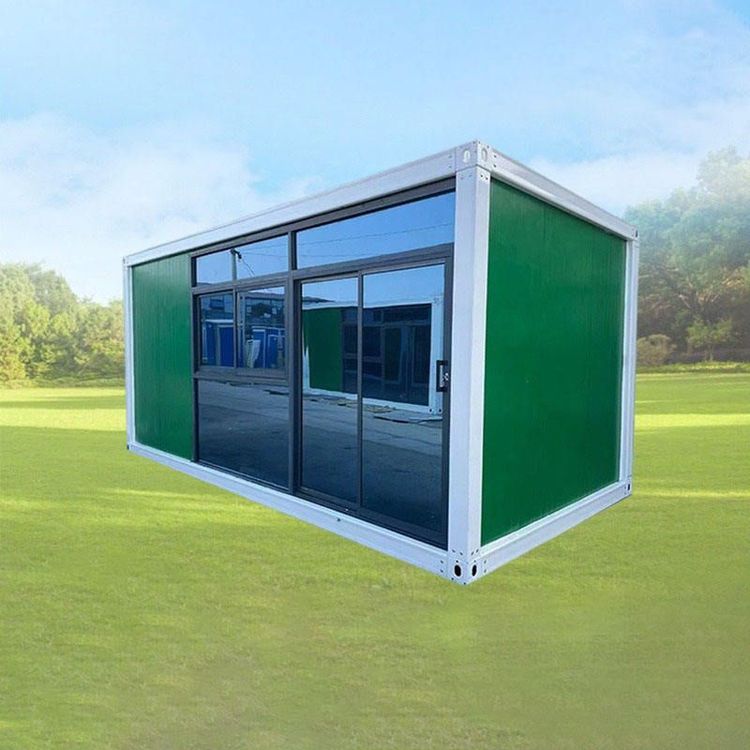
Non-standard customization requires balancing personalization and cost: Conventional products such as 20-foot standard containers (6058×2438×2591mm) are suitable for single-person offices or shops, while 40-foot high cube containers (12192×2438×2896mm) can meet the height requirements of exhibition halls. Non-standard sizes such as 3m×6m and 3m×8m require confirmation of production capabilities with the manufacturer. For functional customization, energy storage-specific containers need to be equipped with dustproof, waterproof, temperature control, and explosion-proof systems. Commercial container shops can adjust their exterior styles and internal layouts but must ensure that the protection level and structural strength meet standards. For example, Lisheng Integrated Housing's container houses are oriented towards civilian temporary construction and cannot meet the protection level requirements of power stations.
IV. Strictly review the delivery process and quality control
Reputable manufacturers typically follow standardized manufacturing processes: During the design phase, structural detail drawings are completed. After steel cutting, full welding is performed. Wall panels are filled with rock wool or polyurethane sandwich panels. Trial assembly is conducted before factory shipment to ensure component compatibility. During on-site installation, verify the bottom fixing devices to prevent overturning in winds above Level 8. Column wall thickness should be no less than 2.3mm, complying with the JGJ/T 435-2018 load standard. Avoid unqualified white-label products, which generally have a frame deformation rate exceeding 1.2%. Under extreme working conditions, these products may suffer from wall cracking, frame tilting, and other safety hazards, with rework and repair costs reaching 3.2 times that of compliant products.