
Spliced Container House Export
When exporting spliced container houses, it is essential to focus on four core elements: product performance, compliance certification, transportation design, and the strength of the manufacturing factory.
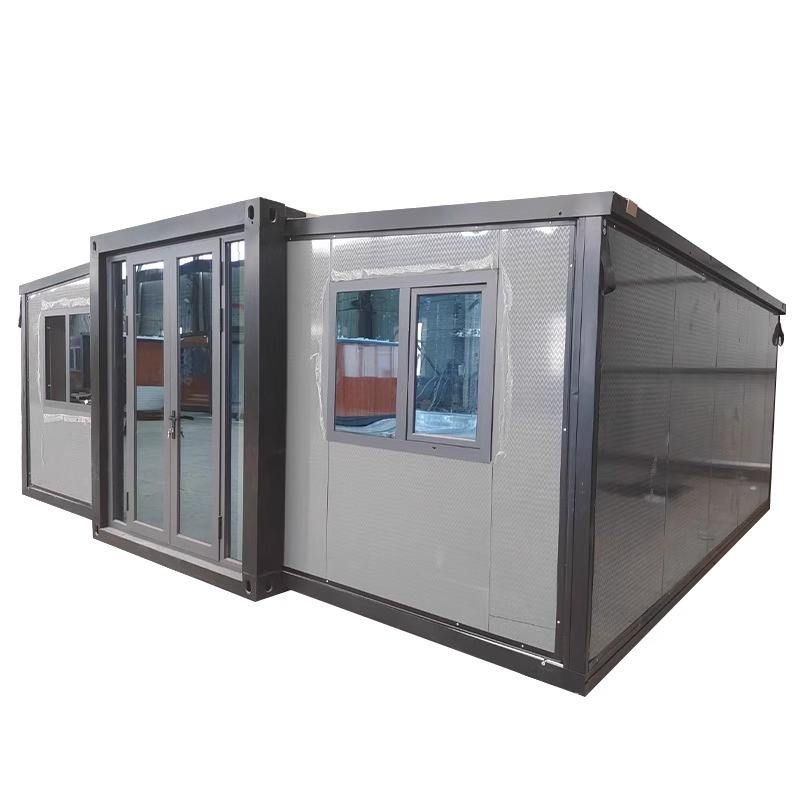
Product performance must meet cross-border usage requirements. Structural stability is a key indicator and must comply with international building standards for earthquake and wind resistance (e.g., GB50011-2010). For example, Suzhou Zhongnan Steel Structure Co., Ltd. uses a fully steel structural frame, with a deformation of only 2mm under 12-level strong winds, well below the national standard limit. CIMC Modular Building Investment Co., Ltd.'s semi-welded and semi-bolted structure offers excellent performance, but the risk of bolt loosening after long-term turnover requires attention. Additionally, the product must have fireproof, thermal insulation, and waterproof capabilities to adapt to different climatic conditions.
Compliance certification is a necessary condition for export. Target markets may require certifications such as CE (European Union), ISO, and other qualifications, with some countries also requiring compliance with local building codes. For example, Hebei Yitai Metal Products Co., Ltd.'s foldable container houses are clearly marked with CE certification and are primarily sold to regions such as Africa and Europe, indicating that certification directly affects market access. Purchasers need to confirm the specific requirements of the target market in advance to avoid customs clearance delays due to qualification issues.
Transportation design must balance efficiency and cost. The dual-wing folding and expansion design is a mainstream solution, with the product folding to fit standard container sizes (e.g., 20-foot or 40-foot), significantly reducing sea freight costs. For example, the dual-wing expansion containers used in a Chilean project collapse the side spaces during transportation and expand to provide a usable area of 36㎡ upon arrival, with four units requiring only two 40-foot containers for transport. Additionally, lightweight steel structural modules reduce the consumption of foundation materials, further lowering overall costs.
The strength of the manufacturing factory determines delivery quality. Leading manufacturers typically have full-process production capabilities, completing everything from steel structure processing to internal pre-installation (plumbing, bathrooms, etc.) in the factory, which can shorten on-site construction time by more than 60%. For example, a smart factory in Guangdong produces up to 50 modules per day, with manufacturing precision controlled within 1-2 millimeters, far exceeding similar factories in North America. Purchasers should prioritize manufacturers with large-scale project experience and those offering one-stop services (e.g., installation guidance, after-sales maintenance) to ensure smooth project progress.



