Space Mobile Toilet
Space mobile toilets can be classified into two categories based on their usage scenarios and design purposes: ground-based technological display types and space microgravity environment-compatible types, with significant differences in their technical principles and application scenarios.

Ground-Based Technological Display Space Mobile Toilets
These toilets focus on technological design and are primarily used in ground-based public places or themed exhibitions. Their typical features include:
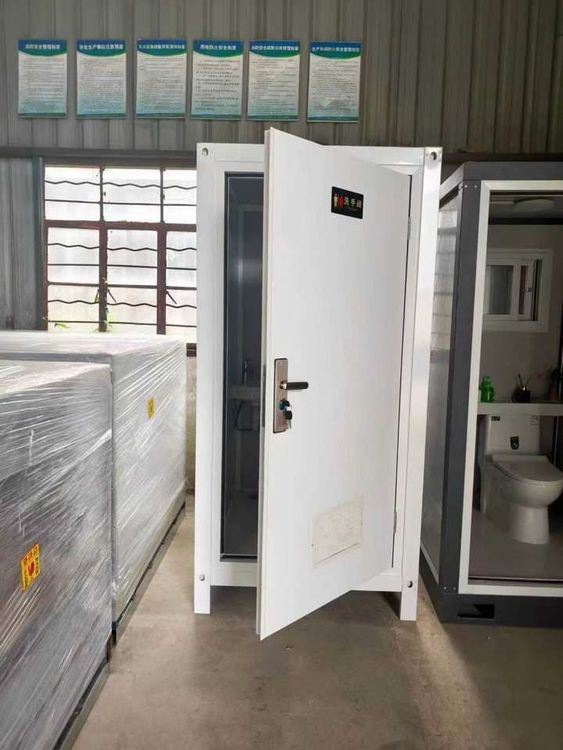
- Materials and Appearance: Utilizing low-e tempered glass and aviation aluminum as exterior wall materials, they combine lightweight properties with weather resistance; equipped with illuminated logo signs and double-door designs to enhance visual impact.
- Functional Positioning: They emphasize showcasing technological aesthetics and environmental protection concepts, typically equipped with conventional excreta treatment systems (such as septic tanks or biodegradation devices), but without the need to address extreme environmental challenges.
- Application Scenarios: Commonly found in science and technology parks, theme parks, or temporary facilities for large-scale events, they attract public attention through futuristic designs.
Space Microgravity Environment-Compatible Toilets
These toilets are specifically designed for manned spacecraft such as the International Space Station, addressing the challenges of excreta collection and treatment in microgravity conditions. Their technological iterations reflect the high costs and precision requirements of aerospace engineering:
Early Technological Solutions:
- NASA once spent $19 million to purchase a Russian-made toilet, installed in the U.S. segment of the space station. This device employs a suction toilet design, using airflow to draw solid excreta into storage containers for subsequent return to Earth; urine is collected and sent to a water recovery system for treatment.
- Equipped with restraint devices (such as foot restraints and thigh support bars) to ensure astronaut stability in a zero-gravity environment.
Technological Upgrade Cases:
- In 2020, NASA delivered a new Universal Waste Management System (UWMS) via the Cygnus cargo spacecraft, costing $23 million. This system utilizes a 3D-printed titanium alloy fan separator, reducing weight by 40% and volume by 65%, significantly improving urine recovery efficiency, with treated water meeting drinking water standards.
- The modular design of the UWMS supports multi-scenario adaptation, making it the primary equipment for the current space station.
Research and Development Challenge Cases:
- In April 2026, a space toilet specifically developed for the Orion spacecraft's Artemis 2 mission failed to operate normally due to sensor malfunctions and sealing issues, exposing the reliability risks of deep-space exploration equipment in extreme environments.
The differences between the two types of space mobile toilets reflect the design divergence driven by technological needs: ground-based types focus on appearance and basic functions, while space-based types must overcome physical limits, with their research and development costs and technical complexity far exceeding those of conventional sanitation equipment.