
Space Capsule Portable Toilet
Space capsule portable toilets are mainly divided into two categories: tech-inspired space capsule portable toilets and space toilets used on space stations.
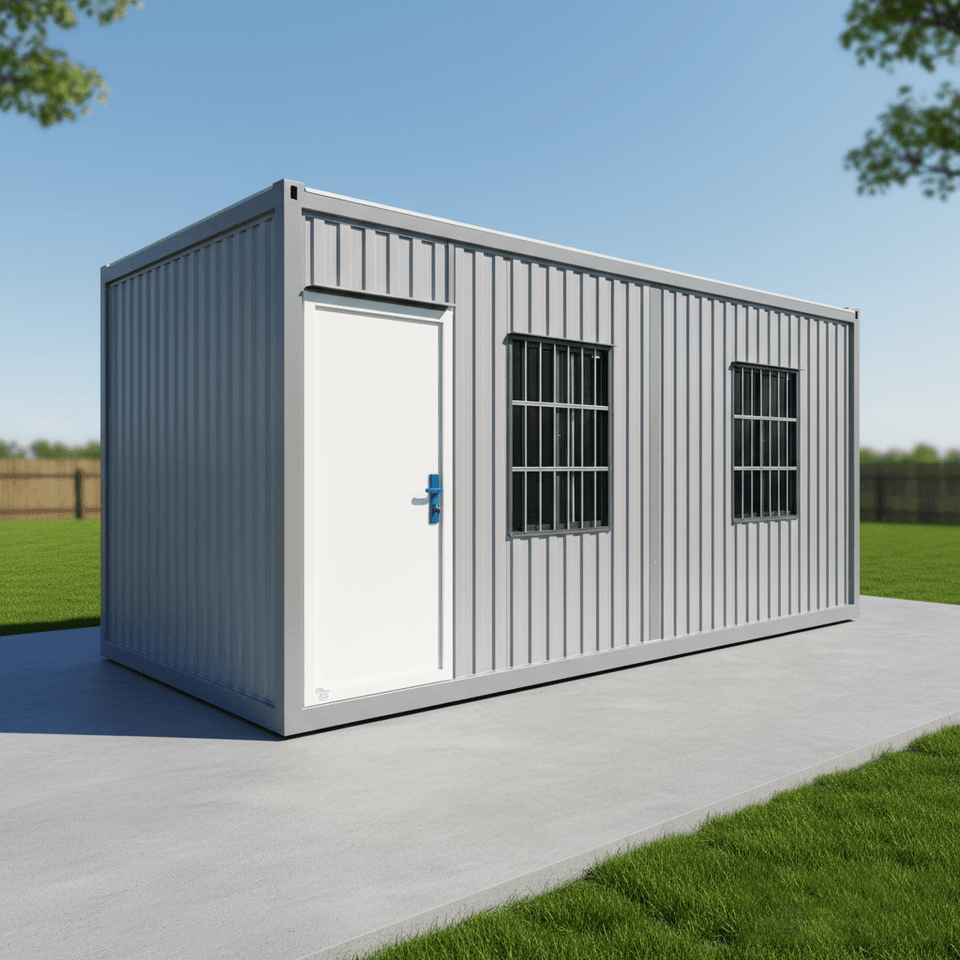
Tech-Inspired Space Capsule Portable Toilets
These types of space capsule portable toilets are usually manufactured by professional producers. Taking Taihe Portable Toilet Manufacturer as an example, its products feature distinct technological characteristics. In terms of appearance, they use low-e tempered glass and aviation aluminum exterior walls. The illuminated logo signs on the front are installed before leaving the factory, and they are equipped with highly technological double doors. For some products, the entire exterior wall is welded using a steel structural frame, with the exterior wall material being sheet metal spray-painted and adorned with technologically rich line hand-paintings. In terms of functional layout, the men's restroom area is equipped with three stainless steel urinal push-pull fixtures. Additionally, the manufacturer supports custom-made space capsule portable toilets based on provided drawings, meeting the personalized needs of different customers.
Space Toilets Used on Space Stations
These are systems used on the International Space Station to handle astronauts' waste in a microgravity environment. Early on, NASA spent $19 million to purchase a Russian-made toilet, which was installed in the U.S. segment of the space station in 2008. This toilet uses a suction toilet design, collecting solid waste through airflow and storing it for return to Earth; urine is collected and sent to a water recovery system for processing. It is also equipped with fixation devices to adapt to the zero-gravity environment. When using it, astronauts need to secure their bodies first, and there is suction below the toilet to hold the waste in place for easy collection, with corresponding handling methods for urine as well.
In 2020, NASA delivered a new Universal Waste Management System (UWMS) via the Cygnus cargo spacecraft, costing $23 million. It uses a 3D-printed titanium alloy fan separator, reducing weight by 40% and volume by about 65%, improving recycling efficiency. The processed water is drinkable, and it also optimizes the user experience for female astronauts. Its universal design can be adapted to different spacecraft. However, in April 2026, the space toilet specially developed for the Orion spacecraft's Artemis 2 manned lunar orbit mission experienced constant malfunctions and remained out of normal operation.



