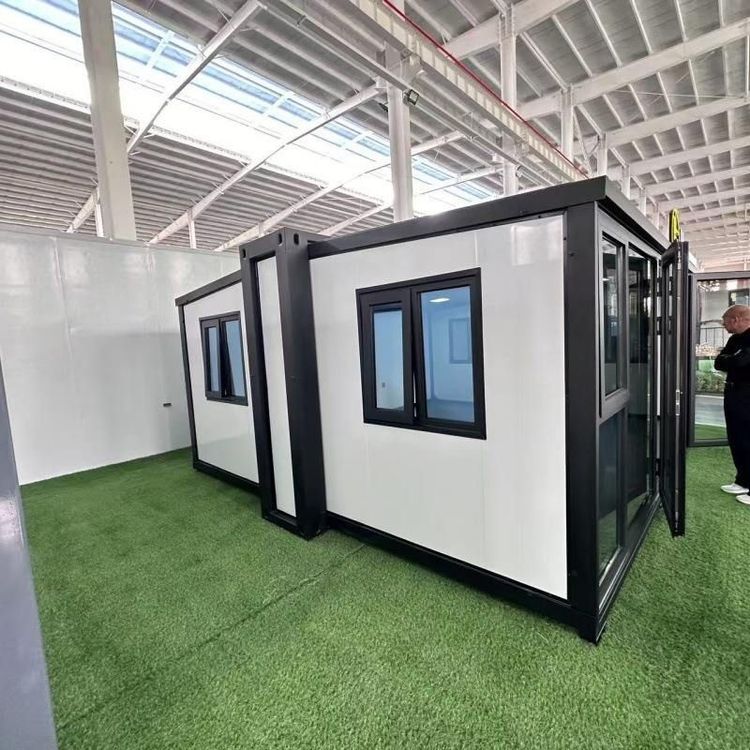
Sound on the Roof of a Prefabricated Panel House
Sounds on the roof of a prefabricated panel house may be caused by thermal expansion and contraction, animal activity, potential building structural issues, or equipment vibration transmission, and require comprehensive judgment based on sound characteristics and occurrence times.
Thermal Expansion and Contraction
When there is a significant temperature difference between day and night, roofing materials (such as prefabricated panels and concrete) undergo deformation due to temperature changes. This deformation produces crisp 'click' sounds or sounds similar to marbles hitting the ground, typically occurring during seasonal transitions (e.g., between winter and summer), late at night, or early in the morning when temperatures change dramatically. The sound characteristics are brief, irregular, and rarely occur during the day, representing a normal physical phenomenon that does not require excessive concern.Animal Activity
If birds or rodents (such as mice or squirrels) are present on the roof, their activities can produce specific sounds. Birds may make short, rapid 'tap-tap' knocking sounds while nesting; mice, being active at night, produce rustling running sounds, 'thud-thud' jumping sounds, or 'creak-creak' gnawing sounds; squirrels, mostly active during the day, make sounds similar to rapid running or scratching. The time of sound occurrence (night or day) can be used to initially determine the type of animal.Potential Building Structural Issues
If the roof emits a dull 'creaking' sound with a fixed frequency, structural issues should be suspected. For example, deformation of roof load-bearing components, misalignment or loosening of concrete prefabricated panel joints may intensify sounds during windy conditions or building vibrations. Such sounds are often accompanied by structural abnormalities, such as wall cracks or roof subsidence, requiring prompt inspection by professionals to avoid safety hazards.Equipment Vibration Transmission
When solar water heaters, ventilation ducts, or air conditioning outdoor units installed on the roof are in operation, their vibrations may be transmitted and amplified through the building structure, creating regular mechanical-like noises. The sound is completely synchronized with the equipment's operating hours, such as the continuous humming sound produced when an air conditioning outdoor unit starts up, or the 'whooshing' sound from ventilation ducts due to airflow vibrations. The sound disappears when the equipment is turned off, confirming the cause.
Recommended Handling Methods:
- Record the time, frequency, and characteristics of the sound occurrence;
- Check the roof for signs of animal activity or equipment operation abnormalities;
- If structural issues are suspected, immediately contact a building inspection agency;
- Regularly maintain roof equipment to reduce vibration transmission.