
Sound Insulation Effect Pictures of Container Houses
Currently, there are no direct pictures showcasing the sound insulation effect of container houses, but their sound insulation performance can be understood through actual sound insulation data. The following introduces the sound insulation performance of container houses based on sound insulation data from different cases:
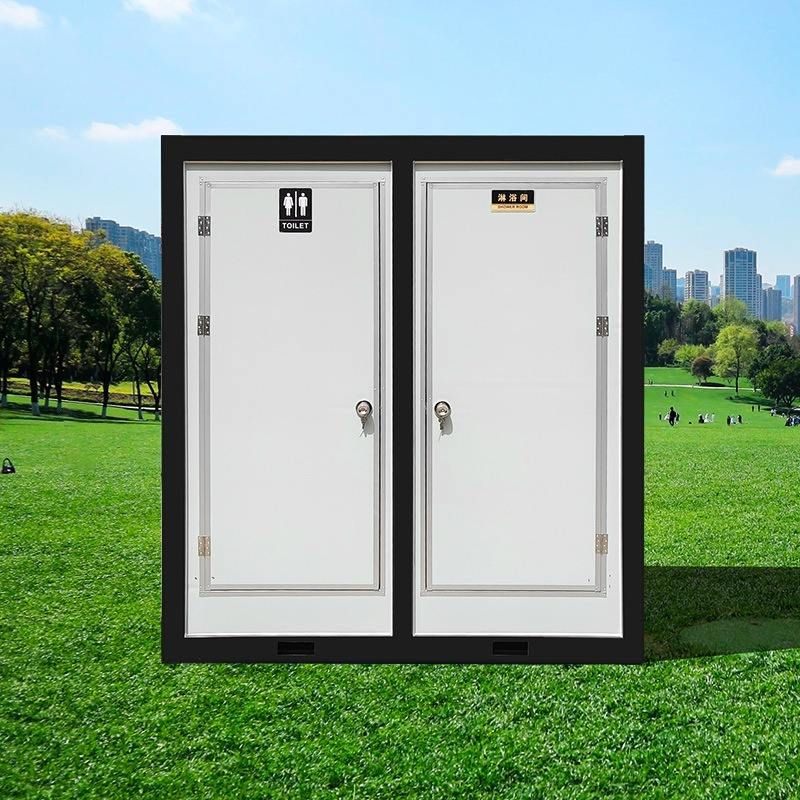
Case of Guangdong Aishang Guizu Integrated Housing: The weighted sound reduction index (Rw) of the double-layer residential container walls in this case usually ranges from 45 to 50 decibels. The weighted sound reduction index is an important metric for measuring the sound insulation performance of building components, with higher values indicating better sound insulation. When facing common outdoor traffic noise, which typically ranges from 70 to 80 decibels, after sound insulation treatment by the container house walls, the sound transmitted indoors can be reduced to 25 to 35 decibels. An environment with 25 to 35 decibels is equivalent to a quiet library or a place where people are whispering. Such sound insulation provides residents with a relatively quiet and comfortable indoor space, effectively reducing interference from external noise and meeting the demand for a quiet environment in daily living.
Case of the Internet-famous Container Base Built by Inner Mongolia Jiahe: In this base, the decibel meter shows only 35 dB indoors during the day, which is equivalent to the sound level in a library environment. Moreover, the sound insulation test data for each room meets the national standard requirements for residential buildings, that is, the airborne sound insulation index is ≥ 45 dB. The airborne sound insulation index refers to the ability of building components to isolate airborne sound. Meeting this standard means that container houses can meet the regulatory requirements for ordinary residential buildings in terms of sound insulation and can provide users with a quiet living experience similar to that of conventional residential buildings, ensuring that they are not overly disturbed by external noise whether resting, working, or studying.
From the data of these actual cases, it can be seen that container houses that have been reasonably designed and treated can achieve relatively good sound insulation effects, meeting the demand for a quiet environment in different scenarios and providing people with a relatively independent and quiet space.



