
Smoking in Mobile Toilets
Smoking is generally not allowed in mobile toilets. This regulation is primarily based on the following reasons:
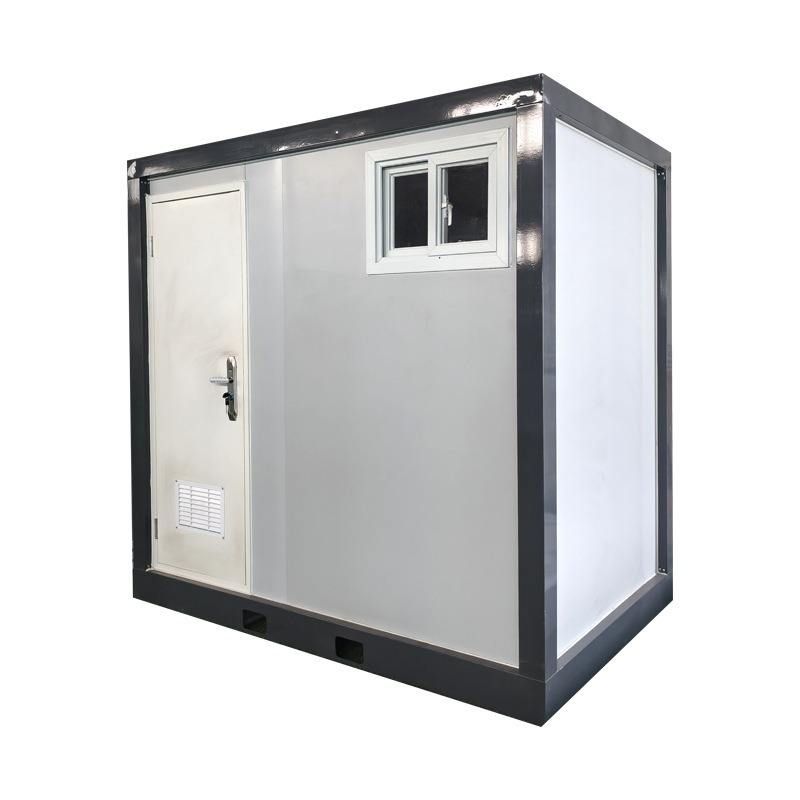
I. Health Factors
Mobile toilets have relatively enclosed spaces with limited ventilation. Harmful substances produced by smoking, such as nicotine, tar, and carbon monoxide, linger in the air for extended periods and are difficult to disperse quickly. The concentration of harmful substances in the smoke inhaled by smokers is high, directly damaging the respiratory and cardiovascular systems and increasing the risk of diseases like lung cancer and chronic obstructive pulmonary disease. Meanwhile, non-smokers who enter the toilet later are exposed to secondhand smoke. Secondhand smoke has been clearly classified as a carcinogen by the World Health Organization and is closely associated with various diseases, including childhood asthma and adult coronary heart disease. In confined spaces, the harm of secondhand smoke can even exceed that in outdoor environments.
II. Safety Hazards
Mobile toilets often store flammable items, such as waste paper and sanitary products in trash bins, as well as alcohol-based cleaning agents. The surface temperature of a cigarette butt can reach 200-300℃, with an even higher central temperature. If a not fully extinguished cigarette butt comes into contact with flammable materials, it can easily trigger a fire. Additionally, some mobile toilets are equipped with electrical devices (such as lighting and exhaust systems). If smoking causes short circuits in the wiring or electrical failures, it may generate sparks, further exacerbating the fire risk. In enclosed spaces, fires spread rapidly, and evacuation is difficult, potentially resulting in severe casualties.
III. Laws, Regulations, and Social Ethics
According to regulations such as the Implementation Rules for the Regulations on Public Place Hygiene Management, public places are required to display no-smoking signs and prohibit the placement of smoking equipment. Although mobile toilets, as temporary public facilities, are not explicitly mentioned in all regulations, they still need to comply with the no-smoking regulations based on the principle of "equal management for similar venues." Furthermore, smoking control regulations in many regions have included public toilets in the no-smoking scope, and smoking violations may result in fines. From the perspective of social ethics, smoking in public places not only harms the health of others but also disrupts civil order and goes against the basic consensus on the public environment.
IV. Clarification on Methane Explosions
Although some argue that fecal fermentation may produce methane, experiments show that the fermentation volume of human feces in mobile toilets is extremely low, and the methane concentration is far below the explosion limit (10%-15%). Therefore, methane explosions are not the primary consideration for the no-smoking regulation in mobile toilets. However, health, safety, and regulatory requirements fully support the rationality of the no-smoking regulation.



