
Small Portable Toilet Solution
The choice of a small portable toilet solution should be based on specific needs. Common types include small mobile toilet units, portable toilets, small folding toilets, bucket toilets, and tent toilets. Here is a detailed analysis:
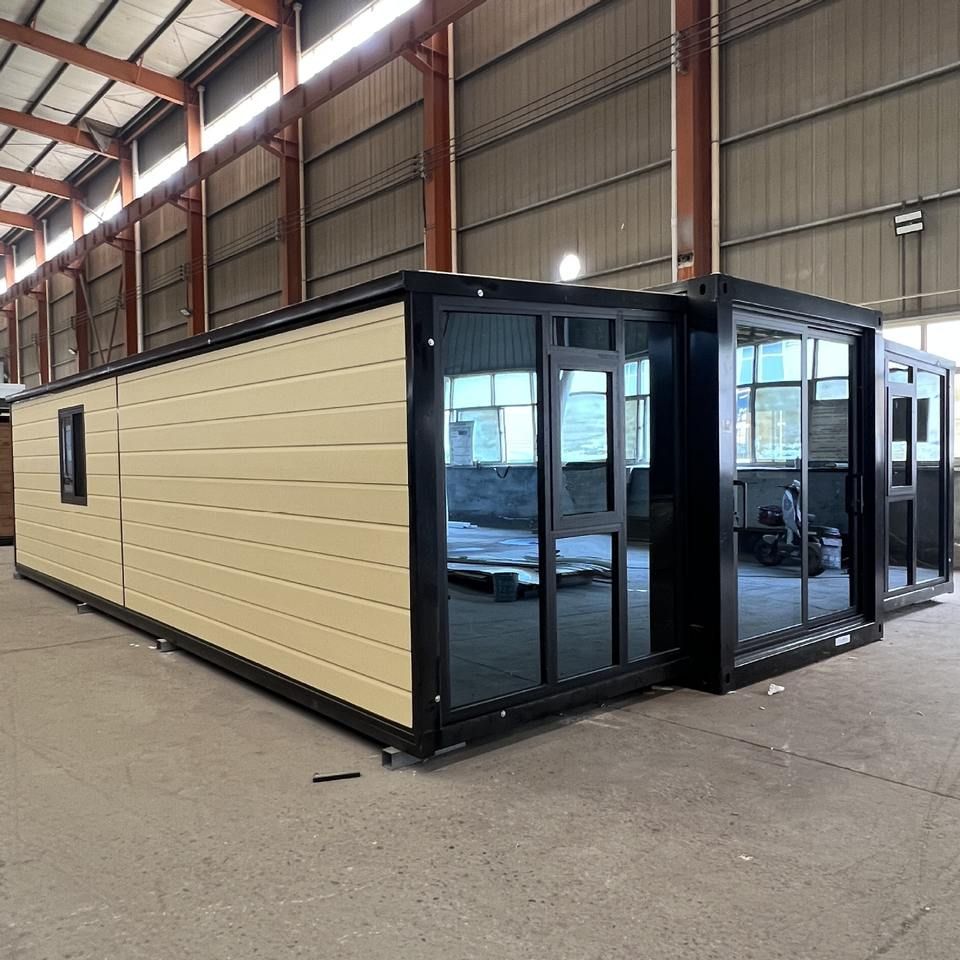
Small Mobile Toilet Units: Suitable for temporary large-scale events or construction sites, these units offer independent functionality and can be transported. Their design features lightweight frames, with internal configurations including flush or non-flush systems, waste collection containers, and ventilation devices. The space is ergonomically optimized to meet basic toilet needs. Most units adopt modular combinations, allowing adjustments to internal accessories (such as toilet types and handrails) and external connections (such as sewage outlets and power connections) as needed. The core functions rely on closed-loop processing mechanisms or physical storage principles: biodegradable types use microorganisms to decompose solid waste, reducing cleaning frequency; chemical solidification types add agents to suppress odors and prevent liquid leakage, suitable for scenarios without sewage disposal facilities.
Portable Toilets: Ideal for family self-driving camping or RV travel, these toilets consist of a seat, a frame, and a detachable waste bucket/bag, with some models equipped with privacy tents. Their principle is physical storage, requiring manual cleaning of the waste bucket or replacement of the bag after use. The advantage lies in providing an experience close to that of a home bathroom (such as flushing functions and splash-proof designs), but waste needs to be disposed of regularly, and they are relatively heavy (about 5-15 kilograms), with slightly lower portability compared to other types.
Small Folding Toilets: These have a simple structure, composed of lightweight metal or plastic frames. When unfolded, they form a toilet seat, with a collection bag (such as a disposable emergency bag) placed underneath. Combining the comfort of portable toilets with the convenience of collection bags, they are lightweight (about 1-3 kilograms), suitable for backpack camping or short hikes. However, the bags need to be replaced regularly, and they lack flushing functions, with privacy depending on external barriers.
Bucket Toilets: These are easy to assemble with readily available materials (such as plastic buckets, garbage bags, and absorbent materials). A garbage bag should be placed inside the bucket and covered with absorbent material (such as cat litter), with a 2-3 centimeter thick layer at the bottom to absorb odors and liquids. Optional simple handrails or tents can provide privacy. Suitable for resource-limited or temporary emergency scenarios, but garbage bags need to be cleaned regularly, and ventilation is poor, potentially causing odors.
Tent Toilets: Combining a small tent with a portable toilet or bucket device, these toilets provide privacy barriers through the tent, suitable for outdoor activities. Ensure good ventilation in the tent (such as setting up vents or mesh) to avoid stuffiness inside; also, choose a flat surface for placement to prevent tipping.
Selection Advice: A comprehensive assessment should be made of the activity type and duration (e.g., prioritize mobile toilet units for long-term camping), the number of participants (sewage disposal capacity needs to be considered for large groups), the environment and regulations (e.g., chemical treatment types are prohibited in protected areas), portability and weight (choose folding toilets for hiking), and budget (mobile toilet units have higher costs).



