
Small Portable Toilet
A small portable toilet is a facility that can be moved as a whole to provide toilet services for the public or customers. It has the advantages of being movable, combinable, and easy to transport, making it suitable for both fixed and temporary demand locations.
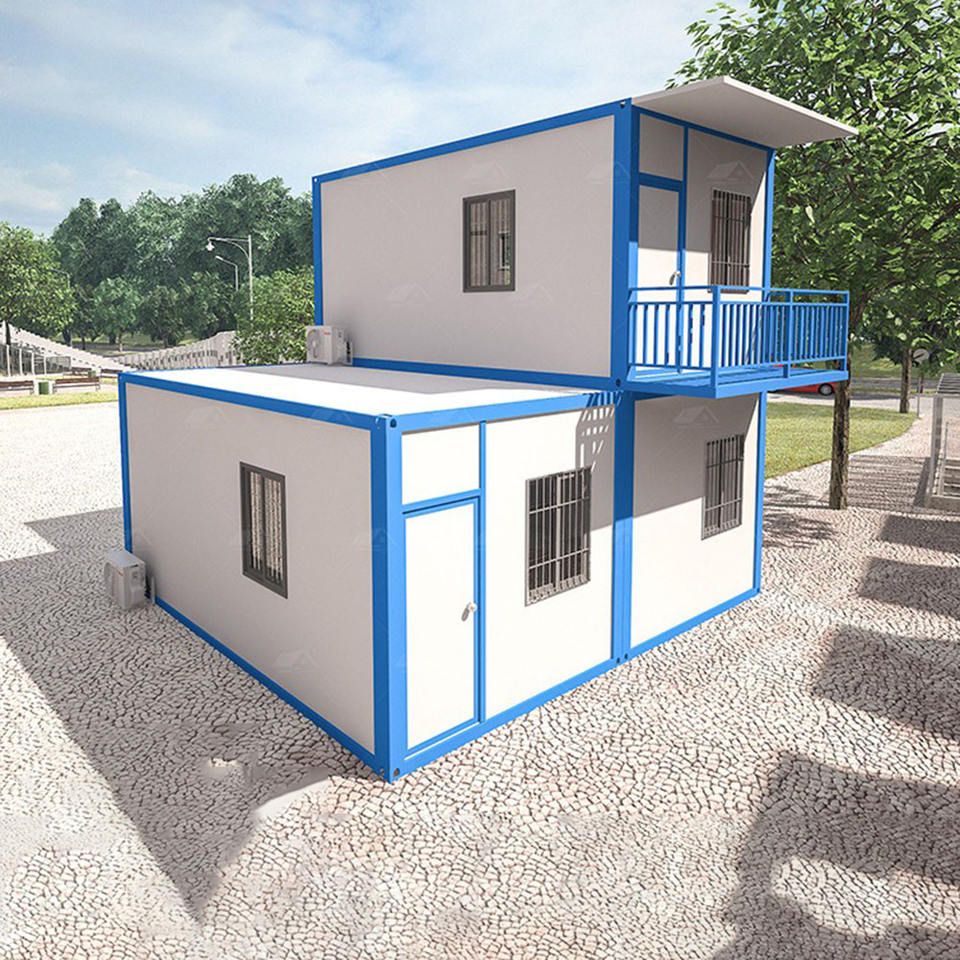
I. Basic Components Portable toilets are typically composed of core components such as fecal sewage storage tanks (or disposal devices), floor slabs, sanitary ware, walls, washing equipment, water tanks, roofs, and mobile devices. Some high-end models are also equipped with intelligent systems, such as internal fecal collection systems, hand-washing basins, smart mirrors, and breathing lights, enabling factory prefabrication and immediate use upon purchase.
II. Structural Classifications
- By structural form: They are divided into single-unit structures and composite structures. Single-unit structures are independent units suitable for scenarios with limited space; composite structures are composed of multiple modules, allowing for flexible capacity expansion to meet high foot traffic demands.
- By mobility method: They are classified as lifting/handling types and powered/trailer types. Lifting types rely on lifting equipment and are suitable for short-term fixed positions; powered types have their own drive systems and can move autonomously; trailer types are towed by vehicles and are suitable for long-distance transportation and frequent location changes.
- By sewage treatment method: They are categorized as flush types, non-flush suction types, circulating flush types, and dry-packing types. Flush types rely on a water source and offer high cleanliness; non-flush suction types use vacuum pumps to suction feces, saving water and eliminating odors; circulating flush types utilize biodegradation technology to purify sewage, enabling water resource recycling; dry-packing types use degradable bags to collect feces, eliminating the need for water and sewage pipes, and are suitable for areas without infrastructure.
III. Application Scenarios Due to their flexibility and adaptability, portable toilets are widely used in temporary events (such as music festivals and sports events), construction sites, tourist attractions, and disaster relief scenarios. For example, after a disaster, powered portable toilets can be quickly deployed to affected areas to address toilet problems caused by infrastructure paralysis; tourist attractions can use composite portable toilet combinations to cope with peak visitor flows during holidays while avoiding damage to natural landscapes caused by permanent buildings.
IV. Technological Advantages Modern portable toilets emphasize environmental protection and intelligence. Circulating flush types use microbial decomposition technology to convert sewage into reusable water resources, saving several tons of water per day; dry-packing types use biodegradable materials, allowing feces and packaging bags to decompose naturally and reducing land pollution. Additionally, smart mirrors can display weather and air quality information, and breathing lights automatically adjust brightness according to the environment, enhancing the user experience.
You may also like

Portable Toilet Eco-Friendly: MOQ, Samples & Quotation Guide
Read More
Top Portable Toilet Color Steel Manufacturers: How to Choose a Factory Partner
Read MorePortable Toilet Picture: Types, Features & Buying Tips
Read More