Back to blog
Article
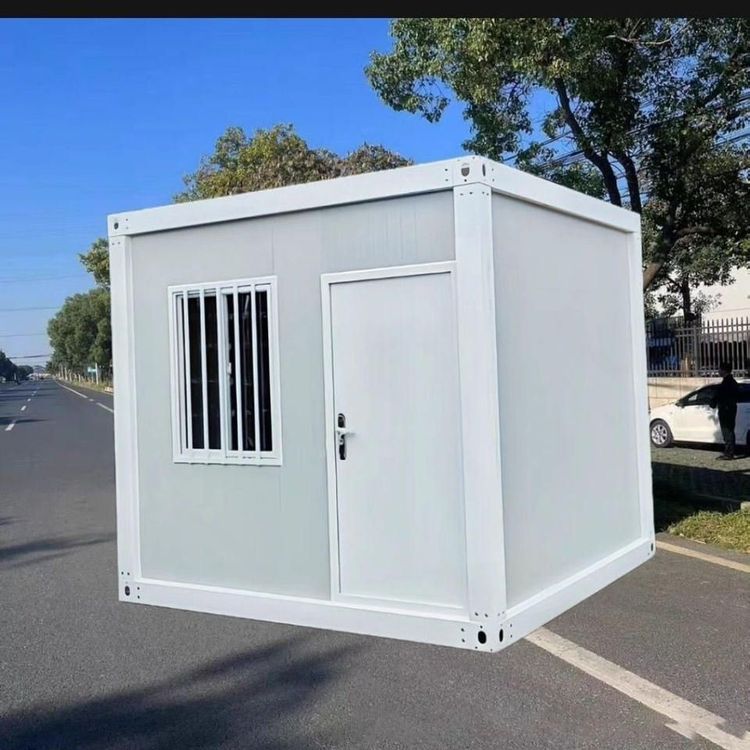
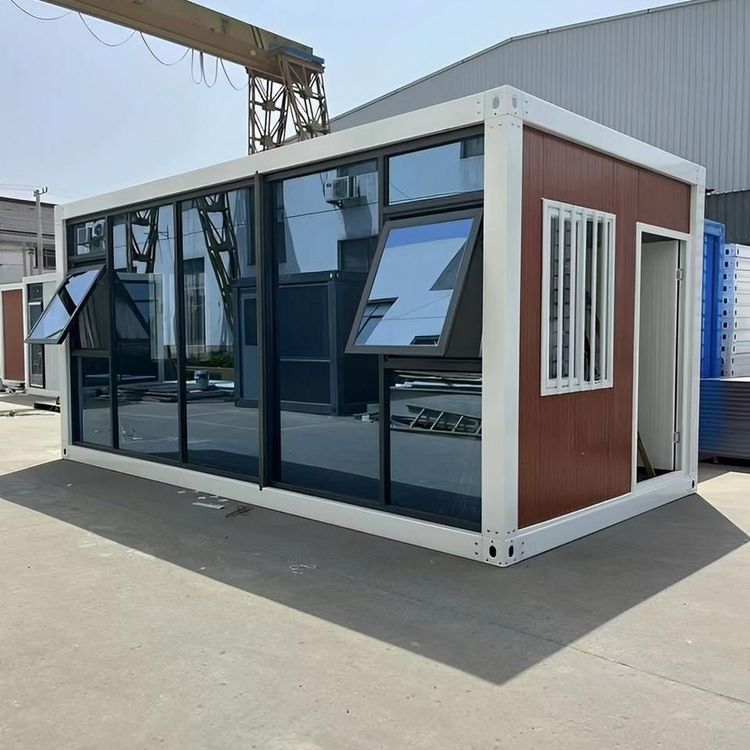
Small Movable Container House
Admin September 15, 2026
A small movable container house is a modular building manufactured using specialized container panels and processes, featuring mobility, rapid assembly, safety, and durability, with a steel-frame main structure.
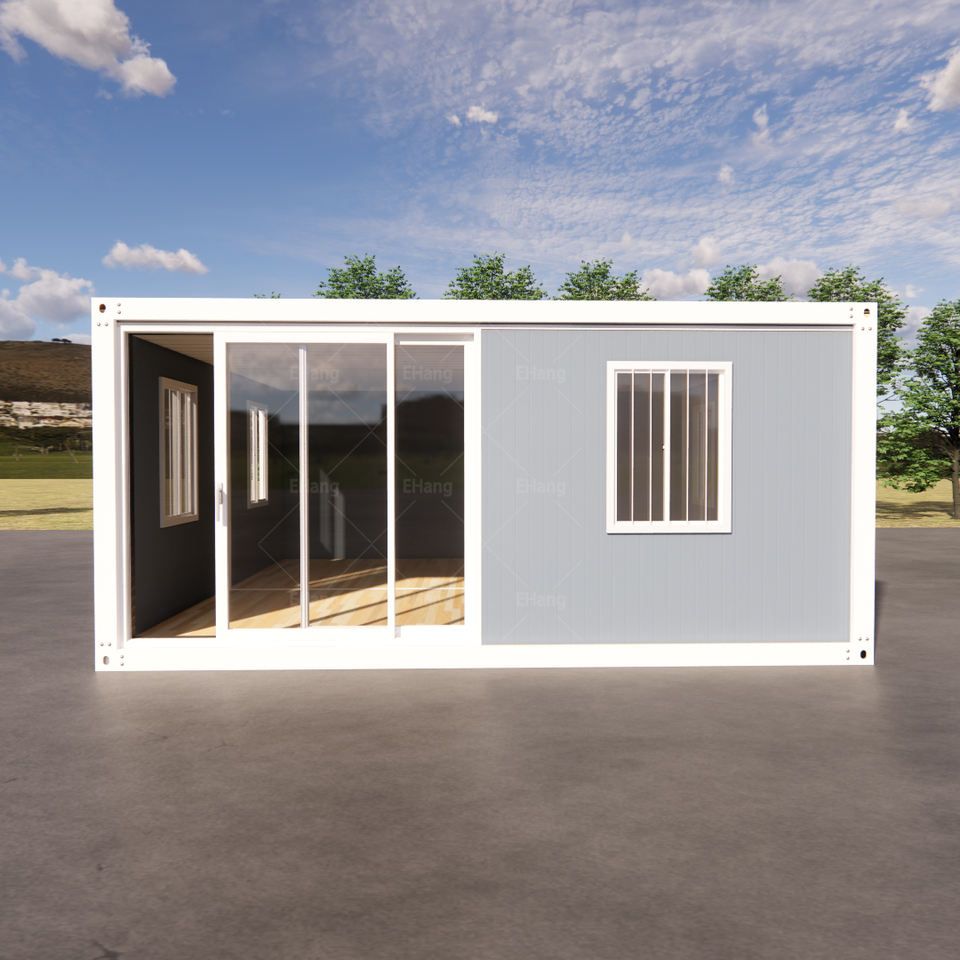
Core Features:
- Mobility: Its volume can be compressed to less than 50% of the original during transportation, facilitating long-distance transport and flexible deployment.
- Rapid Assembly: Utilizing a modular layout that supports stacking, a single unit can reduce shipping costs by nearly 40%, with high on-site assembly efficiency.
- Safety and Durability: The main structure is made of steel, offering wind and earthquake resistance as well as corrosion resistance, with air-gap thermal insulation design ensuring sound and thermal insulation performance.
- Reusability: Under standardized use and regular maintenance, compliant products from leading manufacturers can be disassembled and reused an average of over 8 times, reducing construction waste emissions by about 90% and improving resource utilization.
Application Scenarios:
- Engineering Camps: Serving as worker dormitories and temporary offices, meeting the needs for rapid deployment and flexible adjustment in engineering projects.
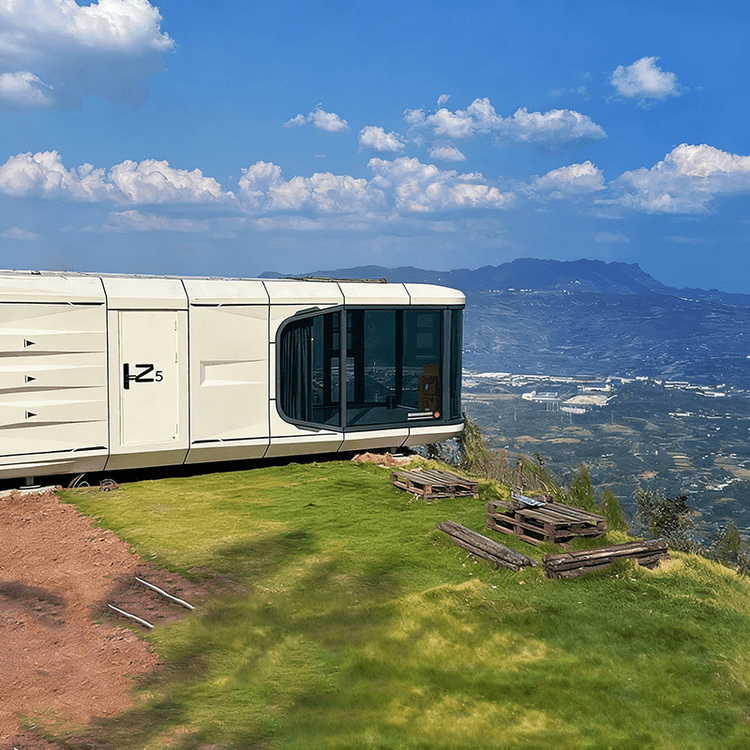
- Cultural and Tourism Accommodation: Through personalized exterior customization and internal functional renovations, it adapts to diverse scenarios such as cultural tourism homestays, enhancing the accommodation experience.
- Commercial Support: As mobile commercial spaces or pop-up shops, it supports the rapid launch and flexible changes of commercial activities.
- Emergency Support: In emergencies such as natural disasters or sudden incidents, it quickly provides temporary living and office spaces.
Purchase Recommendations:
- Focus on Process Performance: Prioritize examining the level of weld-free quick assembly technology, disassembly and assembly loss, and structural stability after multiple relocations and reuses.
- Verify Compliance Services: Ensure the manufacturer has complete qualifications, domestic and international certifications, as well as project delivery and after-sales implementation capabilities.
- Evaluate Scenario Adaptability: Compare product customization flexibility and multi-scenario adaptability based on specific usage scenarios.
- Consider Cost-Effectiveness: Comprehensively evaluate the product's lifecycle reusability and maintenance costs to choose a cost-effective option.