
Small Mobile Toilet Vehicle
The prices of small mobile toilet vehicles vary significantly depending on the supplier, configuration, and functionality, with a common price range from 750 yuan to 17,000 yuan. The following provides a detailed introduction from three aspects: price, composition, and classification.
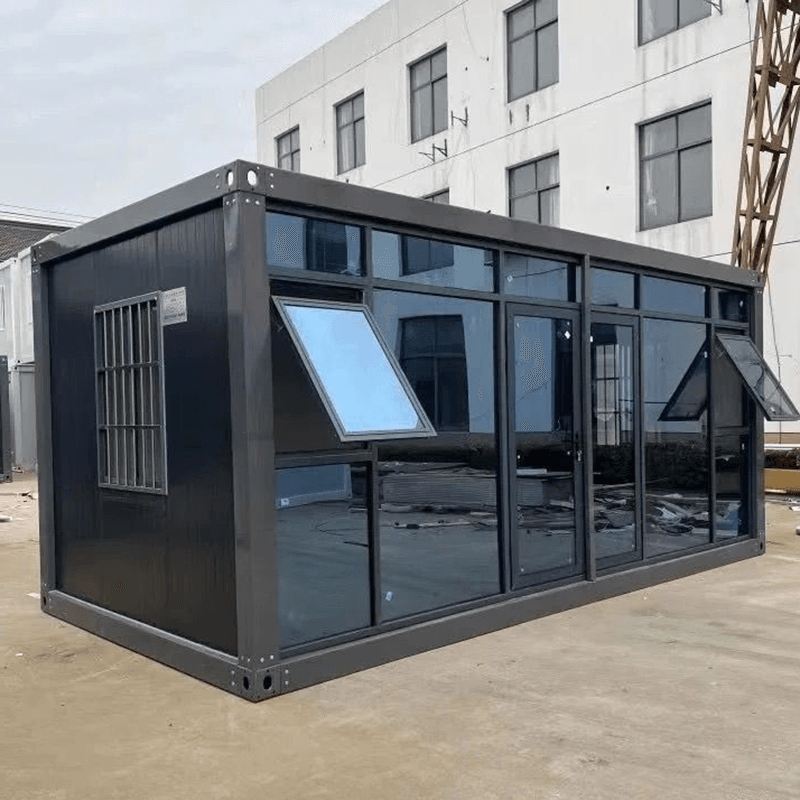
I. Price Overview
The prices of small mobile toilet vehicles offered by different suppliers vary greatly. For example, the mobile toilet vehicles supplied by Shandong Kangjie Intelligent Technology Co., Ltd. and Shandong Kangpai Kitchen Industry Co., Ltd. are as low as 750 yuan. These products may be simple or export-oriented models with relatively basic functions. The product from Guangzhou Zhongrun Housing Technology Co., Ltd. is priced at 950 yuan, while the mobile toilet trailer from Henan Maikeduo Technology Industrial Co., Ltd. costs 3,500 yuan. The export-oriented high-end toilet trailer for scenic spots from Henan Fularui Intelligent Equipment Co., Ltd. is priced at 5,000 yuan. These products may have improvements in materials, capacity, or additional features. The mobile public toilet trailer supplied by Beijing Jindongfang Environmental Landscape Engineering Co., Ltd. is as high as 17,000 yuan, and the five-unit combined mobile toilet with shower from Shandong Kangpai Kitchen Industry Co., Ltd. is priced at 13,000 yuan. These products are usually composite or multi-functional integrated models suitable for high-traffic scenarios or special needs.
II. Basic Composition
A small mobile toilet vehicle typically consists of core components such as a fecal sewage storage tank (or disposal unit), flooring, sanitary ware, walls, washing facilities, a water tank, a roof, and a mobile unit. The fecal sewage storage tank is used to collect waste, with some products equipped with disposal units for harmless treatment. The flooring needs to be slip-resistant and waterproof. Sanitary ware includes toilets or squat pans. The walls and roof provide privacy protection and wind and rain resistance. The water tank is used to store water for flushing toilets. The mobile unit enables flexible transportation through towing or a power system.
III. Classification Methods
- By structural form: Divided into single-unit mobile toilets (independent units) and composite-structure mobile toilets (multi-unit combinations).
- By mobility method: Including lifting and handling types (requiring manual or mechanical handling), powered types (with built-in drive systems), and towed types (connectable to vehicles for towing).
- By sewage treatment method: Divided into water-flush types (requiring a water connection), waterless suction types (relying on vacuum pumps for suction), circulating water-flush types (water recycling), and dry packing types (waste packing and disposal).
Users can choose the appropriate product type based on the usage scenario, budget, and functional requirements.



