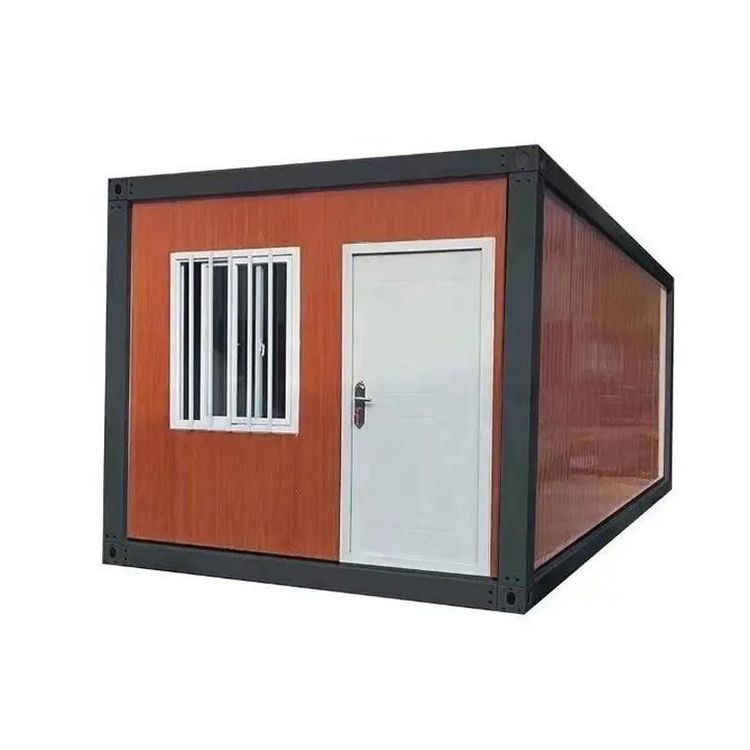
Small Mobile Toilet
A small mobile toilet is a facility that can be moved as a whole and is suitable for fixed or temporary locations, featuring mobility, modularity, and ease of transportation.

1. Structural and Material Characteristics
Small mobile toilets typically consist of core components such as fecal wastewater storage tanks (or disposal units), flooring, sanitary fixtures, walls, washing facilities, water tanks, roofs, and mobility devices. Their material selection emphasizes durability and adaptability. For example, the small gray mobile toilet adopts a sheet metal spraying process, paired with a thickened and reinforced multi-silver square steel welded frame, ensuring structural robustness and an outdoor service life of over 15 years. Walls may be made of metal or composite materials, ensuring privacy while reducing overall weight for easier mobility. Some designs incorporate technological elements, such as the ultra-mini modular mobile public toilet built like building blocks, continuing a cyberpunk style and achieving innovation in appearance and functionality through modular combinations.
2. Classification and Functional Diversity
Small mobile toilets can be classified into various types based on structural form, mobility method, and wastewater treatment approach:
- Structural Form: Includes single-unit (independent) and connected (multi-unit combination) types, adapting to different spatial requirements.
- Mobility Method: Divided into towed (by vehicle), forklift (using a forklift for transportation), and integral lifting (relying on lifting equipment) types, offering flexibility for temporary events or long-term deployments.
- Wastewater Treatment: Classified as direct discharge (connected to municipal sewage networks), storage (equipped with sealed fecal storage tanks for regular removal), and biochemical treatment (using microbial decomposition for harmless disposal), meeting environmental protection requirements.
3. Application Scenarios and Advantages
Small mobile toilets are widely used in tourist attractions, construction sites, large-scale events (such as music festivals and sports events), and disaster emergency scenarios. Their core advantages include:
- Rapid Deployment: No civil construction is required, allowing for quick commissioning and saving time and costs.
- Flexible Adjustment: Resources can be optimized by adding or removing units or changing locations based on foot traffic or site changes.
- Environmental Protection and Energy Efficiency: Some models adopt water-saving technologies or solar power, reducing operational energy consumption.
- Easy Maintenance: Modular design facilitates cleaning, repair, and replacement of parts, extending service life.
4. Typical Cases
The small gray mobile toilet is renowned for its durability, suitable for long-term outdoor use; the building-block-style public toilet attracts young people with its personalized design, becoming part of the urban landscape. These cases demonstrate the balance between functionality and aesthetics in small mobile toilets, meeting diverse needs.