Small Mobile Restroom Toilet
A small mobile restroom toilet is a sanitation facility with characteristics such as mobility, modularity, and ease of transportation, suitable for various locations. The following provides a detailed introduction from the perspectives of features, types, and structural composition:

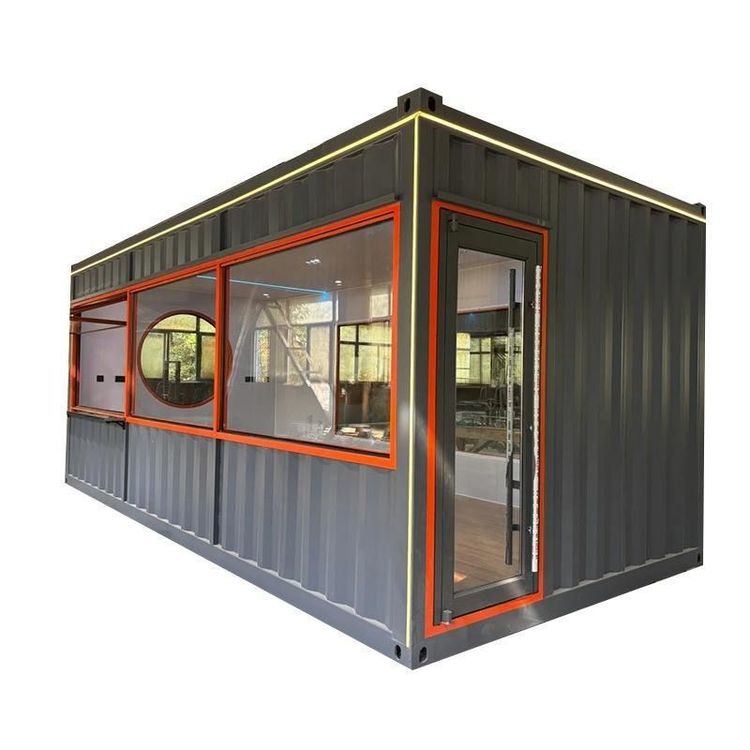
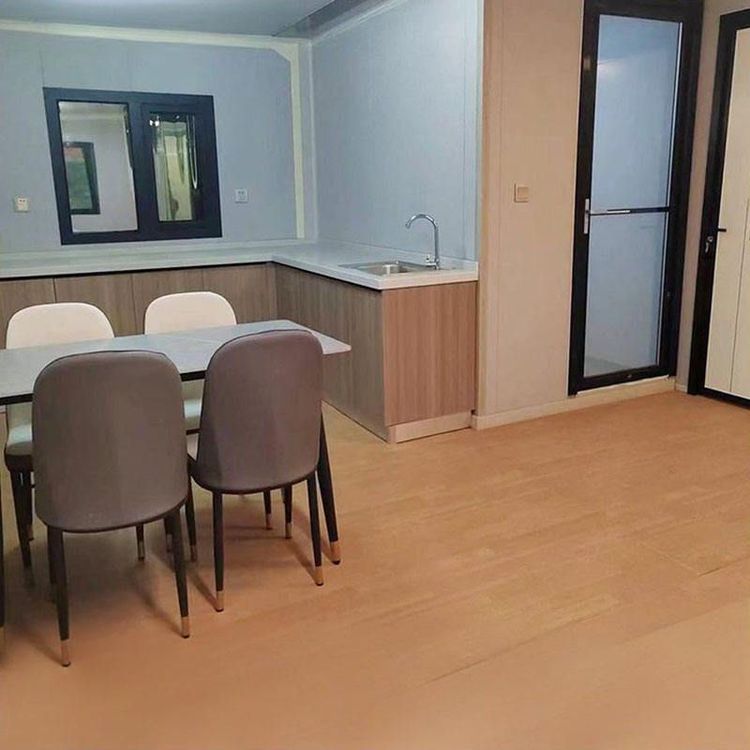
Features: Small mobile restroom toilets offer significant mobility, allowing flexible relocation according to actual needs without the need for fixed installation like traditional toilets, greatly enhancing convenience and flexibility in use. Additionally, they are modular, enabling multiple units to be combined to meet the needs of large crowds. Their ease of transportation allows for rapid deployment to stations, docks, tourist attractions, newly built residential areas, large construction sites, and other locations, providing convenient sanitation services. For example, the small gray mobile toilet is economical and practical, with complete internal facilities. Its exterior is made of sheet metal spray-painted and reinforced with thickened multi-silver square steel welding, making it sturdy and durable for outdoor use for over 15 years. It also features a steel structure double door, further enhancing comfort and safety during use.
Types: In addition to the commonly available finished mobile toilets on the market, some people have innovatively created homemade mobile restrooms. For instance, someone has constructed a mobile restroom using several buckets, which is simple to make and practical. The construction involves installing a universal wheel base, cutting buckets to create entrances and exits, extending and raising the structure, installing a wooden door, connecting drainage pipes and floor drains, setting up a showerhead, and installing a toilet. Although this homemade mobile toilet is rudimentary, it can play an important role in temporary or emergency situations.
Structural Composition: Mobile toilets are generally composed of multiple parts, including fecal sewage storage tanks (or fecal sewage treatment devices), flooring, sanitary fixtures, walls, washing facilities, water tanks, roofs, and mobility devices. These components work together to form a complete sanitation facility system, providing a comfortable and convenient environment for users.