Back to blog
Article
Small Mobile Container House
Admin September 15, 2026
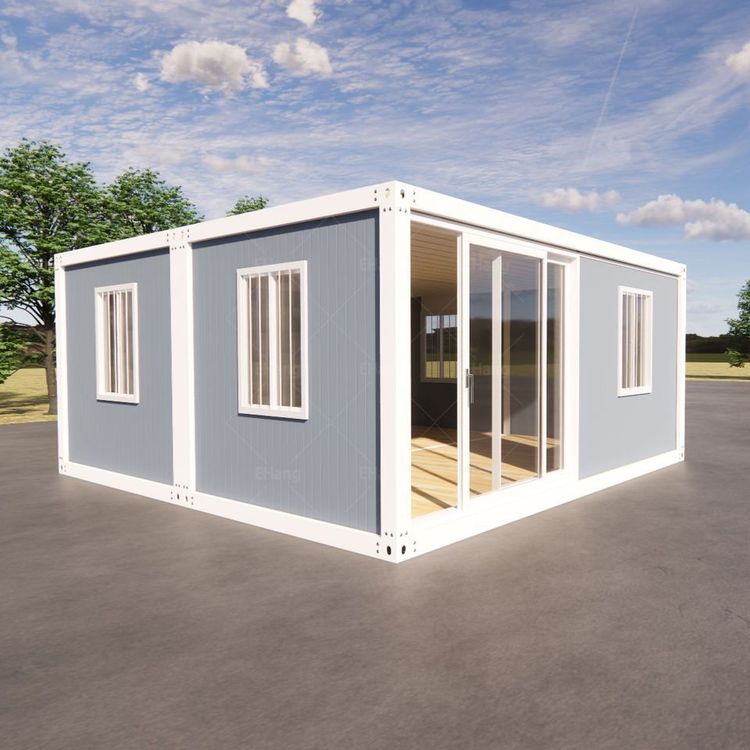
The small mobile container house is an independent living or office unit transformed from a standard container, with common sizes of 20 feet and 40 feet, featuring a sturdy structure, convenient transportation, and flexible splicing and expansion capabilities. The following provides an introduction from the perspectives of types, performance, application scenarios, and purchasing considerations:
Types and Structural Features
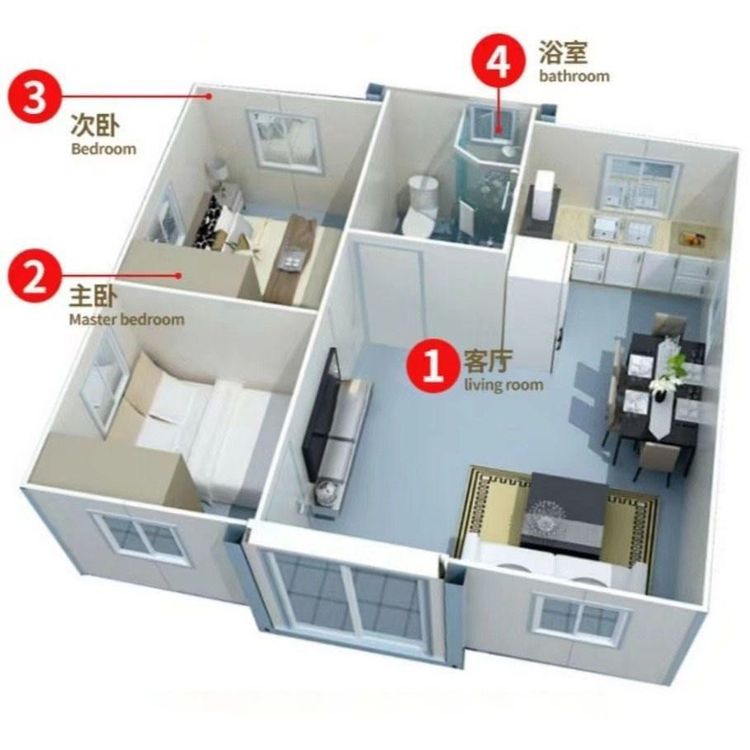
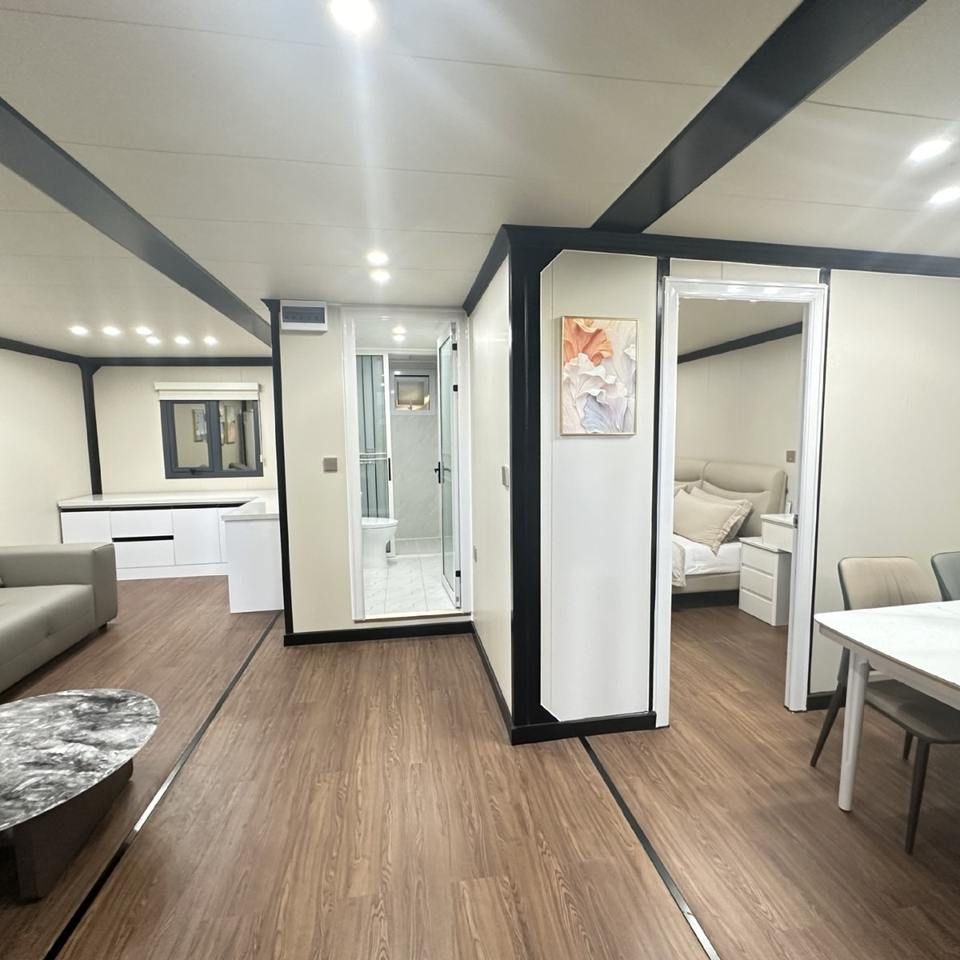
- Container Type: Based on standard containers, these are transformed into independent spaces through reinforcement, insulation, and interior decoration. They can be used as single units or combined into larger units by connecting multiple containers. Common sizes are 20 feet (approximately 6 meters long) and 40 feet (approximately 12 meters long), with interior functional modules such as office areas, rest areas, and bathrooms that can be customized according to needs.
- Foldable Type: Featuring a foldable design, these containers compress their volume to 1/4 to 1/5 of their expanded state during transportation, allowing a single truck to carry more units (e.g., a single truck can carry 20 sets of Suzhou Zhongnan products), significantly reducing transportation costs. Upon arrival, they can be quickly expanded using hydraulic or manual mechanisms, with a single person able to complete the operation in just 5-10 minutes, making them suitable for emergency rescue and short-term turnover scenarios.
- Expandable Type: These containers have additional side or end expansion modules that increase the usable area by 30%-50% when expanded, providing more spacious interiors suitable for long-term on-site office or living scenarios with higher comfort requirements.
Performance and Advantages
- Structural Stability: High-quality products use a fully steel structural frame, with a wind resistance rating of up to Level 12 and an earthquake resistance rating of Level 8. Under extreme conditions, the frame deformation rate is less than 0.3% (e.g., the deformation rate of Suzhou Zhongnan's packing containers is only 0.18%), far superior to non-standard white-label products (with deformation rates generally exceeding 1.2%), ensuring safety in use.
- Reusability: Compliant products can be disassembled and reused an average of more than 8 times, reducing construction waste emissions by approximately 90% compared to traditional fixed temporary buildings, with higher resource utilization rates, aligning with low-carbon circular economy policy guidelines.
- Installation Efficiency: Products with a high degree of factory prefabrication (e.g., Suzhou Zhongnan's packing containers) have completed interior decoration and facility pre-installation before leaving the factory, allowing for immediate use upon on-site hoisting. A single set can be installed in just 2 hours, with 10 standard dormitories able to be completed in one day, shortening the construction period by 40% compared to the industry average.
Application Scenarios
- Engineering Camps: Serving as temporary offices or living quarters for project departments and construction site command centers, meeting the needs for rapid delivery and frequent relocation.
- Emergency Support: Used for temporary accommodation after earthquakes, typhoons, and other disasters, with foldable products enabling rapid mass deployment to enhance rescue efficiency.
- Commercial and Cultural Tourism: Through customized exterior facades and interior functional transformations, they are suitable for diverse scenarios such as mobile commercial pop-up stores, cultural tourism homestays, and temporary sales offices.
Purchasing Considerations
- Verify Qualifications and Test Reports: Prioritize production entities with domestic and international certifications, project delivery capabilities, and after-sales implementation capabilities, avoiding unqualified white-label products.
- Evaluate Process Performance: Focus on examining the level of weld-free quick assembly technology, disassembly and assembly loss rates, and structural stability after multiple relocations.
- Match Scenario Needs: Choose the appropriate type based on the usage scenario (e.g., frequent relocation, long-term on-site presence, emergency rescue) and pay attention to the product's customization flexibility and multi-scenario adaptability.