Small Container Single-Room Mobile House
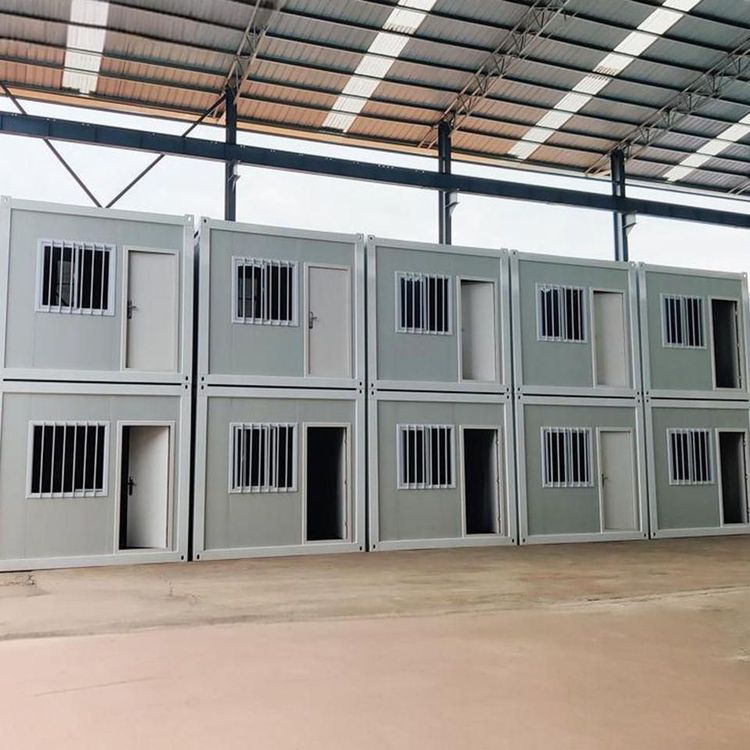
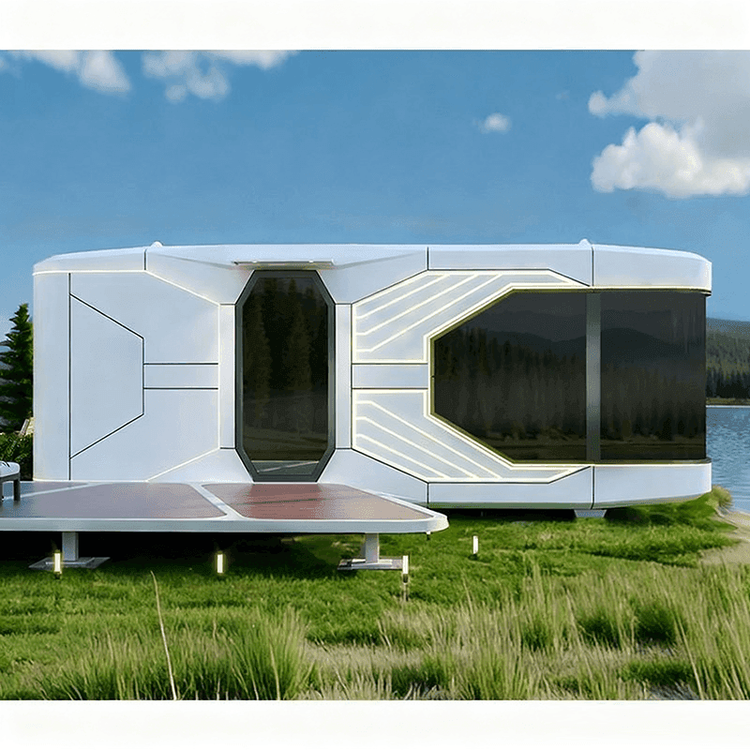
The small container single-room mobile house is an independent living or office unit transformed from a standard container, featuring mobility, rapid assembly, safety, and durability. Prices vary significantly depending on the configuration and are mainly applied in temporary construction scenarios such as construction sites and rail transit.

I. Structure and Characteristics The small container single-room mobile house is based on a 20-foot or 40-foot standard container, transformed into an independent space through structural modifications. Its main body is made of steel framework, offering wind-resistant, earthquake-resistant, and corrosion-resistant properties, suitable for complex environments. Internally, it adopts air-insulation design, achieving efficient thermal insulation and noise reduction through insulation layers and soundproofing materials, meeting living or office needs. Its appearance is flexible, supporting single-container use or multi-container assembly, and can even be stacked to save space, adapting to different site plans.
II. Price Range Prices are significantly influenced by the manufacturer, configuration, and functionality:
- Basic Model: Such as export container mobile houses (simple for home use/temporary construction site housing), with a wholesale price of approximately 212.4 yuan per square meter. Its functionality is primarily basic living, with lower material thickness and decoration standards.
- Folding Expandable Model: Such as the 700 double-wing folding expandable container house, priced at approximately 495.0 yuan per square meter. It features a foldable design for easy transportation and rapid deployment, suitable for scenarios requiring frequent relocation.
- High-End Decorated Model: Such as decorated and reinforced simple mobile houses, with prices reaching 950.0 yuan per square meter. They are internally equipped with complete decoration, water and electricity systems, and reinforced structures, suitable for long-term use or scenarios with high comfort requirements.
III. Application Scenarios
- Construction Sites: Used as project offices, worker dormitories, or command centers, addressing temporary office and living needs. Its rapid assembly feature can shorten construction periods.
- Rail Transit: Utilized as temporary housing during station construction, such as equipment storage and personnel rest areas, adapting to outdoor working environments.
- Emergency Scenarios: In natural disasters or emergencies, serving as temporary shelters or medical stations, providing rapidly responsive living spaces.
IV. Development Background Since China's reform and opening up, the demand for temporary buildings has surged with urbanization, especially in the construction and transportation sectors. The small container mobile house, with its modular design and reusability, has become an upgraded alternative to traditional prefabricated panel houses, gradually developing towards standardization and intelligence.