Size of Small Portable Toilets
The sizes of small portable toilets vary significantly depending on the type and design, with common specifications falling into three categories: standard single-unit, custom medium-sized, and ultra-portable models.

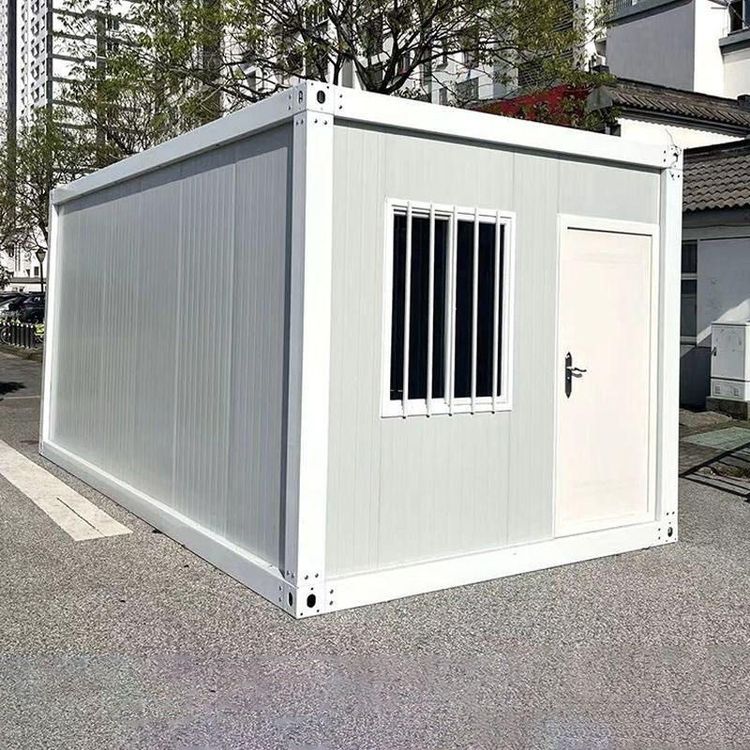
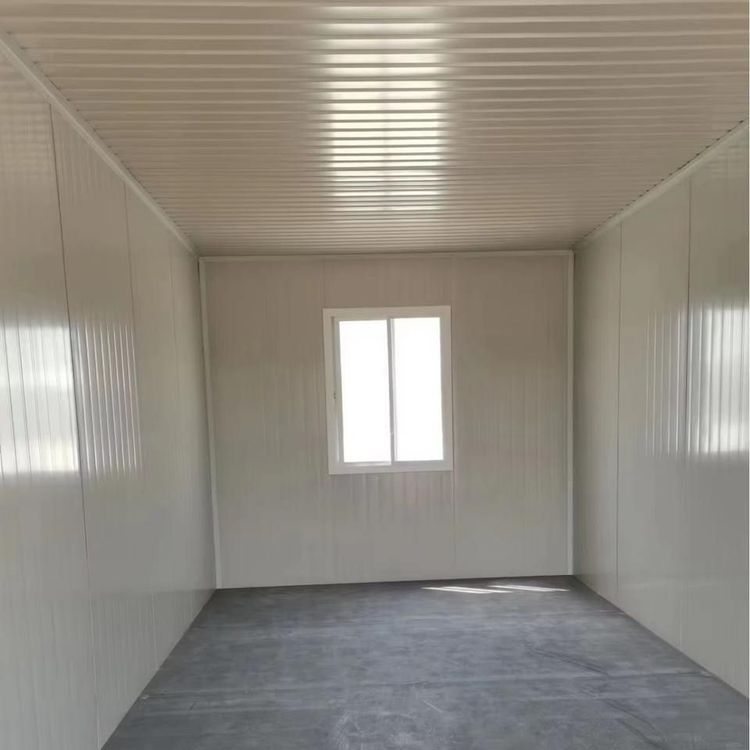
1. Standard Single-Unit Portable Toilets These are the most common type of portable toilets, typically featuring a modular design for easy transportation and installation. Their dimensions range from 1.2 to 1.5 meters in length, 1.0 to 1.2 meters in width, and 2.2 to 2.5 meters in height. This size can accommodate a standard toilet or squat toilet and provides enough space for users to turn around or place a small storage shelf. The height is designed to accommodate adult standing needs while avoiding structural instability due to excessive height. Some models may include additional ventilation systems or lighting inside, but overall space utilization is high, making them suitable for short-term use scenarios such as tourist attractions and construction sites.
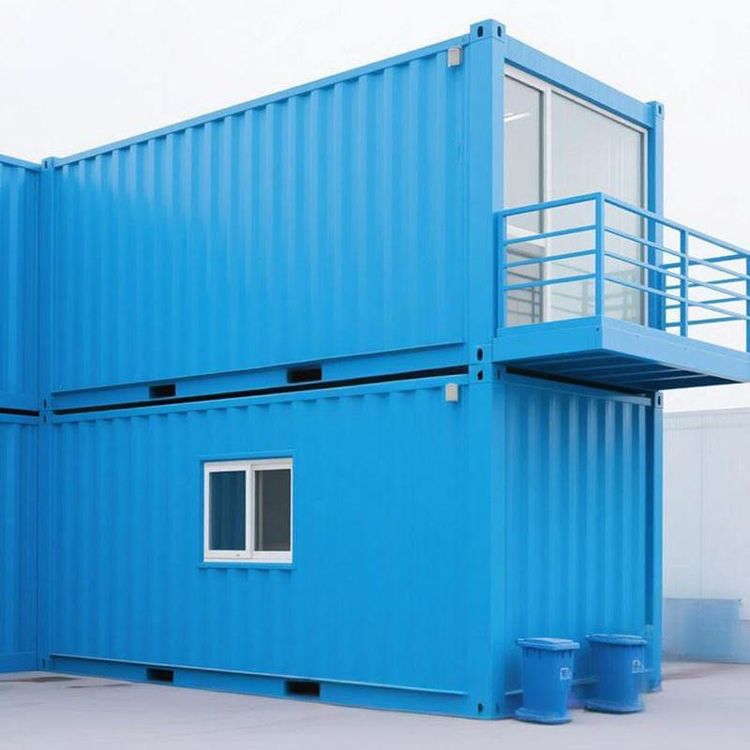
2. Custom Medium-Sized Portable Toilets For specific scenario requirements, some manufacturers offer customizable size services. For example, a certain small portable toilet measures 4 meters in length and 2 meters in width. Such designs are typically used in scenarios that require accommodating multiple functional areas (such as accessible toilets and management rooms) or integrating more equipment (such as sinks and septic tanks). The flexibility of custom sizes is high, but transportation limitations (such as road width and bridge load-bearing capacity) and on-site installation conditions must be considered, making them more common in large-scale events and temporary communities with higher facility requirements.
3. Ultra-Portable "Toilets" A few products break away from traditional definitions by adopting foldable or compressible designs. For example, a certain portable "toilet" folds down to the size of a chocolate bar and can easily fit into a woman's handbag. When unfolded, it uses special materials (such as superabsorbent polymers) to absorb liquids, creating a temporary usage space. Although such products do not strictly belong to the "toilet" structure, they address emergency toilet needs through technological innovation and are suitable for scenarios without infrastructure, such as outdoor sports and disaster relief. Their core advantage lies in extreme portability, but the number of uses, comfort, and hygiene conditions are limited.
Summary: The size selection of small portable toilets should be based on the usage scenario, number of users, and functional requirements. Standard single-unit models are suitable for basic needs, custom medium-sized models meet complex scenarios, and ultra-portable models are designed for extreme portability scenarios. When purchasing, it is recommended to prioritize confirming transportation conditions, usage frequency, and maintenance costs to ensure the practicality and economy of the facilities.