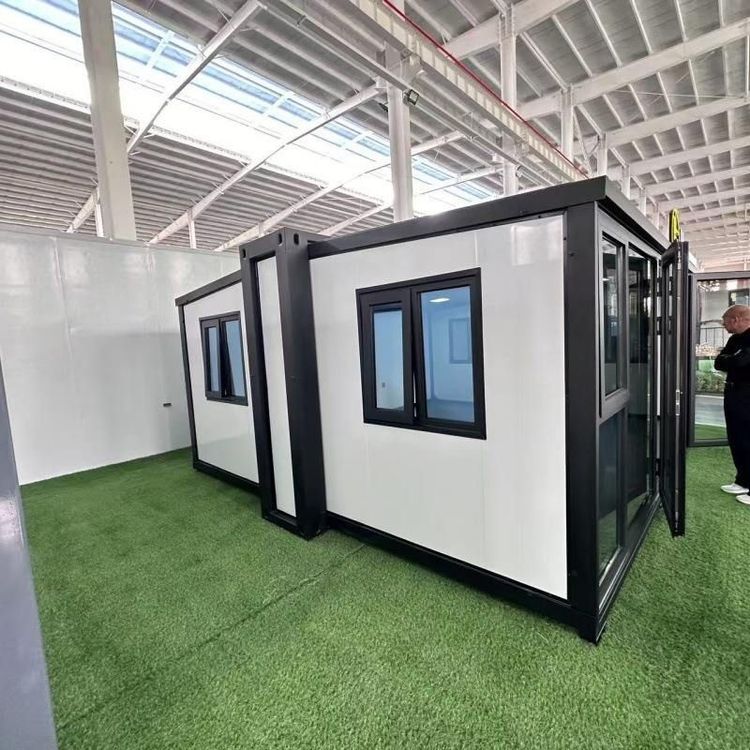
Sixian Mobile Toilet Single Room
The single room of the mobile toilet in Sixian adopts a modular design, featuring environmental protection, intelligence, and comfort. It can meet the needs of 500 people per day and reduces water consumption by 60% compared to traditional toilets.

Environmental Protection Technology: Waterless and Water-Saving Design
The single room of the mobile toilet in Sixian employs waterless technology, which processes excreta through biological degradation or physical separation without the need for a traditional flushing system. This design significantly reduces water consumption. A single unit can meet the needs of 500 people per day and reduces water usage by 60% compared to traditional temporary toilets, making it especially suitable for scenarios with water scarcity or large-scale outdoor events. Additionally, some high-end models are equipped with ammonia gas monitoring sensors to detect indoor air quality in real-time, ensuring a hygienic environment.
Modular Structure: Easy Transportation and Rapid Deployment
The mobile toilet single room adopts a modular design, consisting of independent sanitary units. Each unit can be transported separately or combined for use. This structure enables rapid deployment at event venues, temporary construction sites, or disaster relief areas. For example, at the Sixian Sports Center marathon event, 30 units were set up along the racecourse and installed in a short time. The modular design also supports flexible expansion, allowing the number of units to be increased or decreased according to demand to accommodate events of different scales.
Intelligent Configuration: Enhancing User Experience and Management Efficiency
The interior is equipped with an independent ventilation system and intelligent lighting. The ventilation system continuously removes odors through negative pressure, while the intelligent lighting automatically adjusts brightness based on light intensity, creating a comfortable environment. Some high-end models also integrate people-counting sensors to track usage frequency, with data transmitted in real-time to a management terminal to help organizers optimize resource allocation. For example, during the marathon event, managers can monitor the usage frequency of each unit via the terminal and schedule maintenance promptly.
Applicable Scenarios: Large-Scale Events and Temporary Needs
The single room of the mobile toilet in Sixian primarily serves large-scale outdoor events (such as marathons and music festivals), temporary construction sites, or emergency relief scenarios. Its environmental protection features reduce reliance on municipal sewage systems, while the modular design addresses the issues of long construction periods and high costs associated with traditional toilets. Taking the marathon event as an example, 30 units can cover the entire racecourse, meeting the toilet needs of participants and spectators while minimizing environmental impact.