Sixian Mobile Toilet
The mobile toilets in Sixian have developed a model that combines multi-scenario coverage, technological upgrades, and service innovation, achieving significant progress in environmental protection, practicality, and intelligence.

1. Diversified Application Scenarios
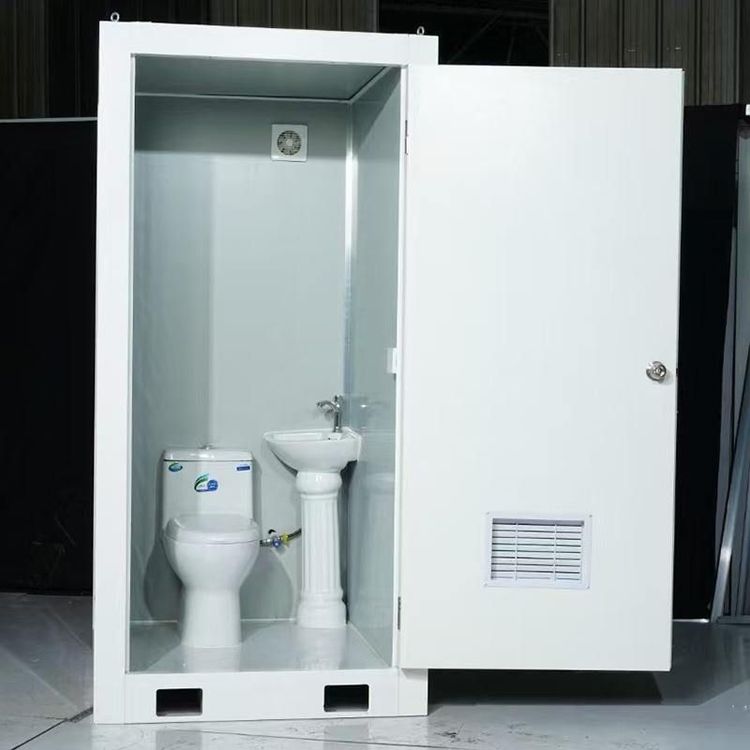
Mobile toilets in Sixian have penetrated four core scenarios: events, municipal projects, cultural tourism, and emergency response. In event activities, such as the "Running Across Jianghuai" marathon series, modular toilets were deployed along the route with 30 waterless units, serving 500 people per day and achieving a 60% water-saving rate, addressing temporary toilet needs while reducing environmental impact. In the municipal engineering sector, the renovation project in the old city area provided toilet facilities for workers through a leasing model, implementing a standard of 1 toilet per 15 workers, which complied with housing and construction regulations while controlling costs. In cultural tourism settings, Huangcangyu Scenic Area added 20 wood-grain mobile toilets during peak tourist seasons, blending with the natural landscape and significantly improving visitor satisfaction. For emergency response, during the 2024 flood prevention drills, mobile toilets were included in the relief supplies list for the first time, ensuring sanitary conditions at evacuation and relocation sites and demonstrating their social emergency value.
2. Continuous Product Technology Upgrades
The mobile toilets in Sixian feature modular design as their core, supporting rapid transportation and installation, making them suitable for dynamic scenarios such as outdoor events and construction sites. Eco-friendly materials are widely used, incorporating recyclable or biodegradable materials to reduce waste generation. The purification system integrates deodorization and air purification functions to maintain fresh indoor air. Low-energy operation is achieved through energy-saving lighting and intelligent monitoring, reducing energy consumption and extending equipment lifespan. Additionally, flexible leasing plans allow customers to choose duration and configuration based on their needs, lowering the barrier to use.
3. Innovative Service Models
Some high-end models introduce smart toilet systems, equipped with people counters and ammonia gas sensors that transmit real-time data to management terminals, optimizing operational efficiency. The leasing volume of barrier-free facilities has increased by 40% annually, complying with the GB50763-2012 standard and meeting the needs of special groups. Customized services further expand application boundaries, such as the "themed dressing room toilet" leased by wedding companies, which combines practical functions with photo-taking scenarios to enhance user experience.
4. Resident Feedback and Improvement Directions
Surveys show that 73% of respondents认可 (recognize) that mobile toilets alleviate public toilet shortages during events, and 85% of migrant workers support the standard provision of leased toilets at construction sites. However, long queues during peak hours (28%) and odors from old equipment (15%) remain major pain points. Future improvements will focus on increasing the number of toilet units, upgrading purification technologies, and optimizing scheduling algorithms.