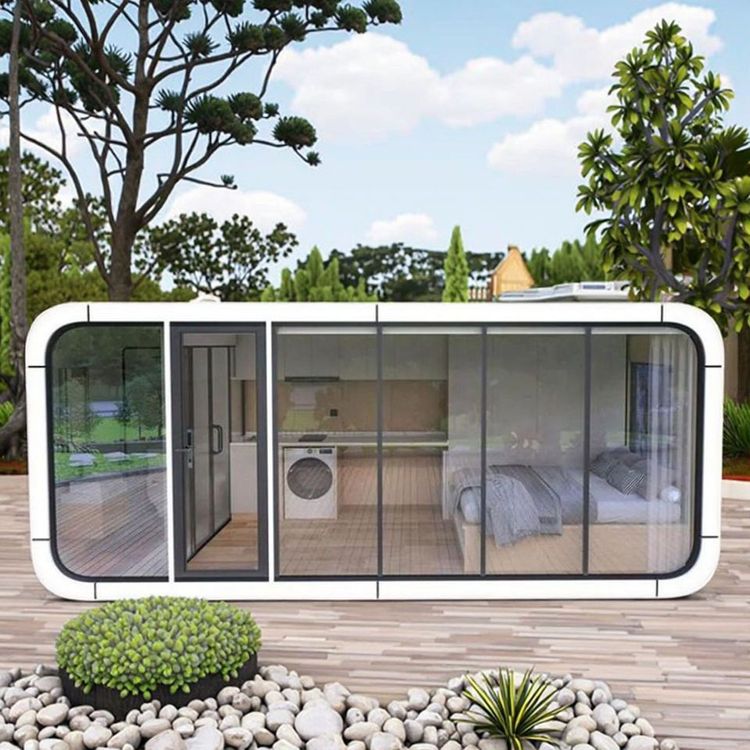
Siping Portable Toilet for Home Use
When choosing a portable toilet for home use in Siping, it is essential to focus on aspects such as material, flushing system, insulation and ventilation, and manufacturer services. A reasonable choice can meet household needs.
1. Material and Structural Selection The material of a home portable toilet should balance durability and environmental adaptability. Stainless steel is the preferred choice due to its superior corrosion resistance, impact resistance, and moisture resistance compared to ordinary steel plates, making it particularly suitable for the cold winters and humid summers in Northeast China. If selecting a stainless steel product, verify whether the manufacturer has applied anti-rust treatment and inquire about the thickness of the main frame (e.g., Shenyang Jintongchuang uses stainless steel or light steel structures, where frame thickness directly affects load-bearing capacity and stability). If budget is a concern, metal carved panels or color-coated steel sheets can also be considered, but attention should be paid to moisture-proof treatment to prevent rusting from prolonged exposure to moisture.
2. Flushing System and Sewage Disposal Method Choose an appropriate system based on household sewage disposal conditions:
- Water-flush type: If the residence is connected to the municipal sewage network, a water-flush toilet offers the best experience. However, pay attention to the water tank capacity (it is recommended to choose a capacity of over 10L) and the flushing method (sensor-activated flushing is more hygienic, while foot-pedal flushing is more durable).
- Foam-sealing type: In the absence of a municipal sewage network, foam sealing can reduce odors, but foam liquid needs to be replenished regularly, and the size of the sewage outlet must match the household septic tank.
- Biodegradable type: A microbial decomposition system with a septic tank is suitable for remote areas, but regular cleaning of bacterial cultures and residues is required, resulting in higher maintenance costs.
3. Insulation and Ventilation Performance In Northeast China, low winter temperatures can easily cause water tank cracking. Therefore, choose a product with wall insulation material (such as polyurethane or glass wool) and confirm the thickness of the insulation layer (it is recommended to be ≥50mm). In summer, accelerate air circulation through top vents or exhaust fans to avoid stuffiness and odors; the floor should use anti-slip tiles or special floor mats and be designed with a drainage slope (≥2%) to prevent water accumulation.
4. Manufacturer Customization and After-sales Service Prioritize manufacturers that support customization (e.g., Cangzhou Hengtai Sanitation Equipment), which can adjust dimensions, materials (such as anti-corrosion wood or aluminum-plastic panels), or sewage disposal methods (water flush, packing, foaming, etc.) according to household space. At the same time, confirm the after-sales service content, including installation and commissioning, warranty period (it is recommended to be ≥1 year), and maintenance response time, to avoid unattended failures during later use.
Summary: When selecting a home portable toilet, it is necessary to consider climate, sewage disposal conditions, and usage habits comprehensively. Focus on examining material durability, system adaptability, insulation and ventilation effects, and manufacturer service capabilities to ensure long-term comfortable use and convenient maintenance.