Single-Unit Flush Mobile Toilet
A single-unit flush mobile toilet is a public restroom facility that can be moved as a whole, utilizes a water-flush sewage treatment system, and features a single-unit structure. The following provides a detailed introduction from the aspects of definition, structural characteristics, sewage treatment methods, and application scenarios:

Definition and Basic Attributes
A single-unit flush mobile toilet is a specific type of mobile toilet, with its core features being its “single-unit structure” and “water-flush treatment”. It can be moved as a whole and can be quickly deployed in various locations according to fixed or temporary needs, providing basic restroom services to the public or clients. This facility breaks through the fixed limitations of traditional toilets and is particularly suitable for scenarios such as temporary events, emergency rescues, and remote areas.
Structural Characteristics
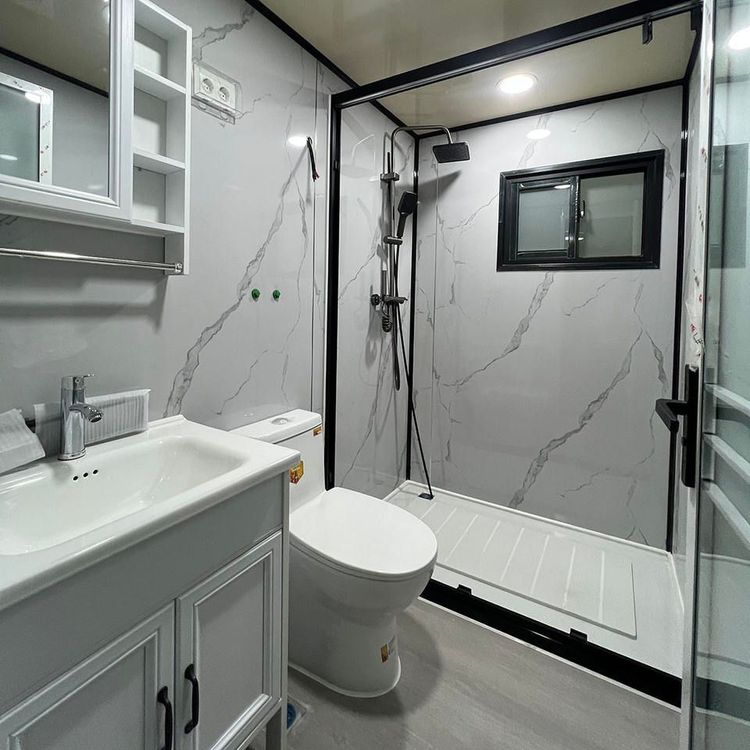
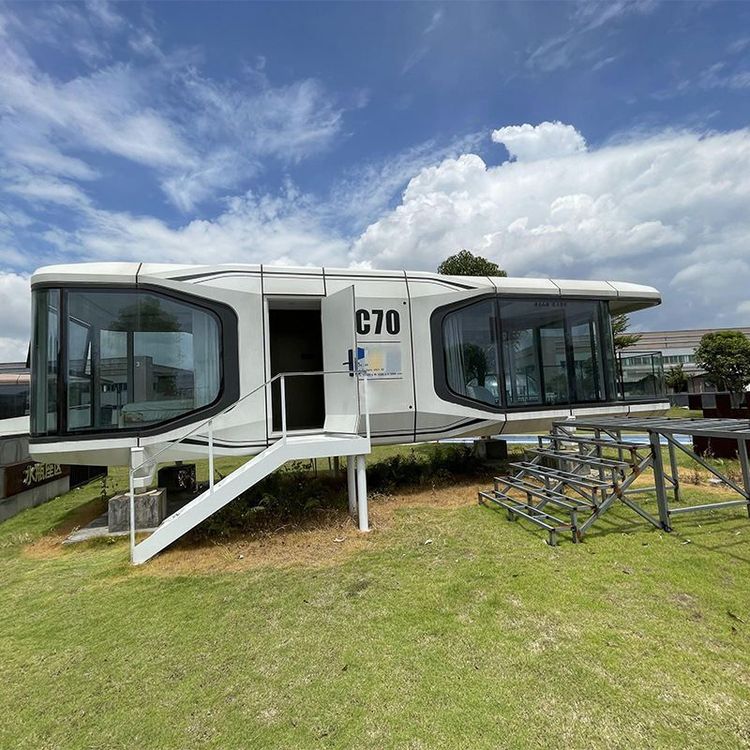
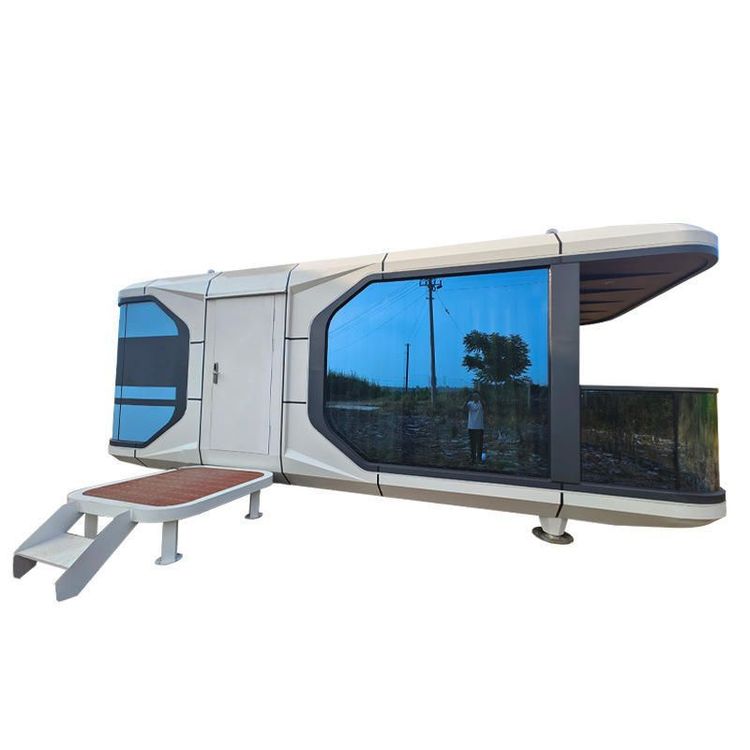
A single-unit structure means that the main body of the toilet is an independent unit, typically constructed using lightweight yet sturdy materials. For example, some products adopt a single-unit steel frame structure, with both length and width being 1.2 meters and the restroom height reaching 3 meters, ensuring both space utilization and structural stability. Aesthetically, the double-color design of metal carved panels combines beauty with durability; the aluminum alloy single door and bamboo-wood fiber decorative interior wall panels enhance user comfort and environmental friendliness. Internally, the combination of a squat toilet and a vertical flush tank is a typical water-flush design, achieving waste disposal through water flushing.
Sewage Treatment Methods
As a water-flush type of mobile toilet, its sewage treatment relies on municipal water supply or water storage devices to provide water. The flush tank flushes water into the toilet, directing waste into a septic tank or sewage collection system. Some high-end models may be equipped with a circulating water flush system, achieving water reuse through filtration and disinfection processes, thereby reducing water consumption. Compared to other types such as waterless suction-type (relying on vacuum suction) and dry packing-type (using degradable bags to encapsulate waste), the water-flush type offers a user experience closer to that of traditional toilets but requires regular cleaning of the sewage tank or connection to municipal sewage pipes.
Application Scenarios
The flexibility of single-unit flush mobile toilets makes them widely applicable in various scenarios: they can be quickly set up in temporary events (such as music festivals and sports events); in emergency rescue scenarios (such as after earthquakes and floods), they can address restroom needs during infrastructure paralysis; in remote areas (such as scenic spots and construction sites), they can serve as supplements or transitional solutions to fixed toilets. Additionally, their mobility supports dynamic position adjustments based on changes in foot traffic, optimizing resource allocation.