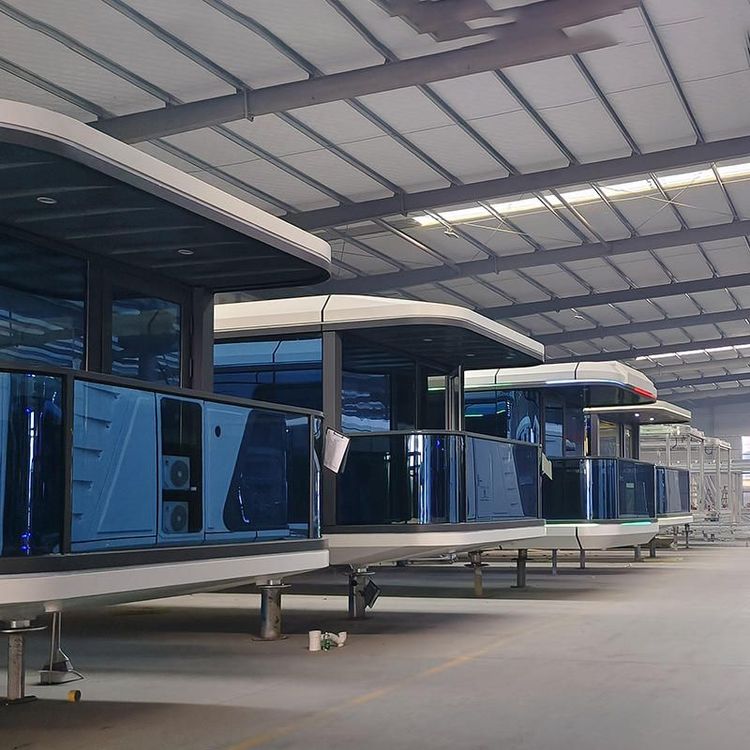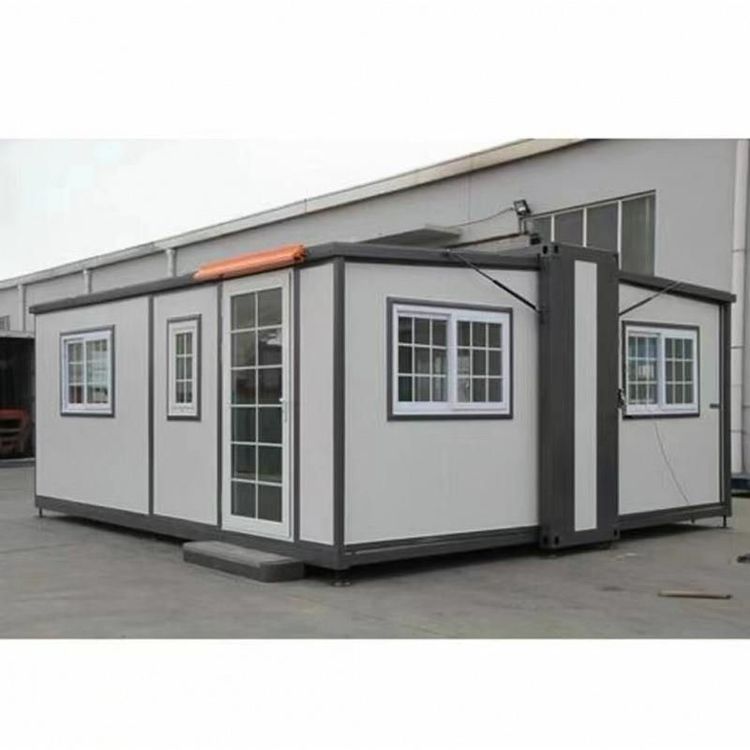
Single Toilet in Lanzhou New Area - Mobile
The single mobile toilet in Lanzhou New Area adopts modular design and resource recycling technology, featuring environmental protection, intelligence, and strong adaptability.

Modular Construction and Functional Zoning
The mobile restrooms in the scenic spots of Lanzhou New Area employ a modular design, consisting of independent modules such as toilet areas, hand-washing areas, and equipment compartments. This structure facilitates rapid assembly, disassembly, and transportation, allowing for flexible layout adjustments based on the actual needs of the scenic spots. For instance, in areas with high tourist density, the number of toilet modules can be increased to form a temporary service network, enhancing service capacity during peak periods.
Waste Treatment and Water-Saving Technology
The waste treatment system utilizes biodegradation or chemical decomposition technologies, with some equipped with vacuum collection devices. Biodegradation breaks down organic matter through microorganisms, reducing odors and pollution; chemical decomposition employs specific agents for rapid waste treatment. Vacuum collection devices reduce water consumption through negative pressure suction, making them suitable for arid or water-scarce regions. The water supply system combines storage containers with pressure pumps to ensure stable water supply while reducing consumption through water-saving designs.
Energy Supply and Material Selection
Electricity supply prioritizes solar panels, which are eco-friendly and have low maintenance costs; in low-light conditions, small generators can be used as backups. The exterior shell is made of corrosion-resistant and easy-to-clean fiberglass or metal composite materials, capable of withstanding the large temperature variations between day and night in Lanzhou New Area, thereby extending service life.
Intelligence and Environmental Adaptability
Some facilities integrate environmental monitoring sensors that can detect ammonia concentration (indicating air quality) and usage frequency (optimizing maintenance plans) in real-time. Barrier-free designs include ramps, handrails, and expanded spaces to meet the needs of disabled individuals and the elderly. During the peak tourist season, mobile toilets can be flexibly deployed along tourist routes to form temporary service networks, enhancing the scenic spots' ability to handle sudden surges in visitor numbers.
Maintenance Management and IoT Applications
Maintenance is achieved through a combination of regular services and remote monitoring: professional teams are responsible for waste collection, water tank cleaning, and equipment inspections; IoT technology transmits equipment status alerts (such as low water levels or fault warnings) for preventive maintenance. This model reduces the frequency of manual inspections and improves operational efficiency.
In summary, the single mobile toilet in Lanzhou New Area effectively addresses the restroom challenges in scenic spots through modular design, eco-friendly technologies, intelligent monitoring, and flexible deployment, while also considering resource conservation and user experience.