Single-Story Prefabricated House
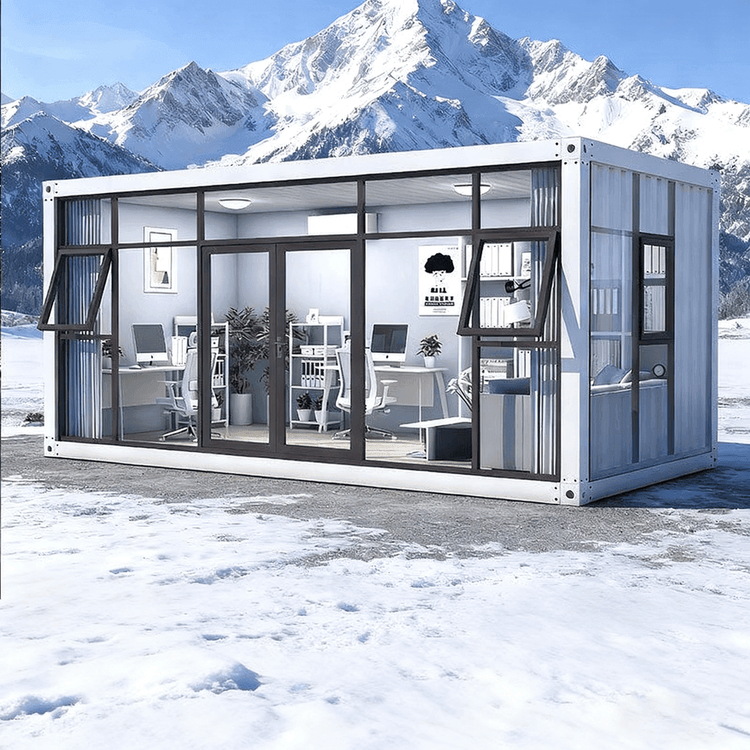
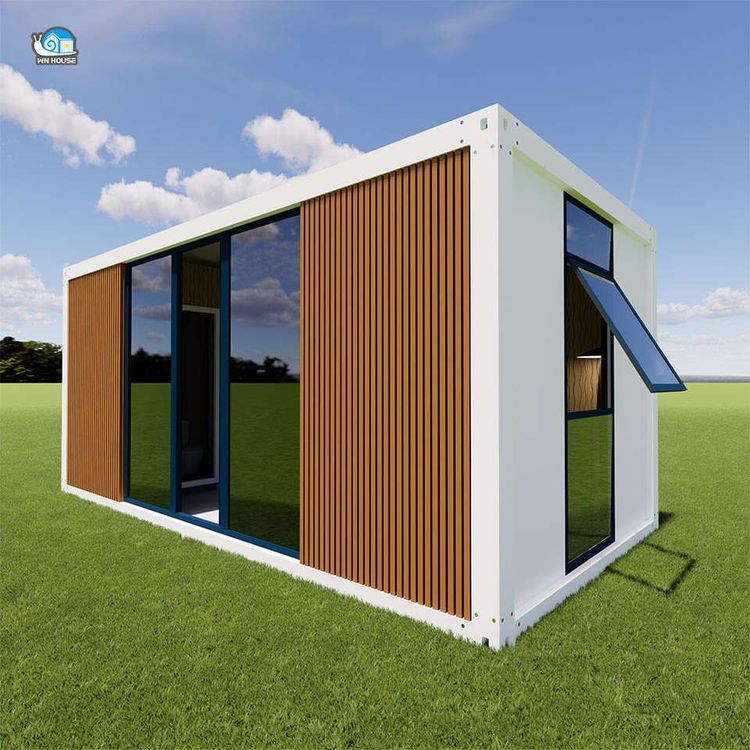
A single-story prefabricated house is a type of prefabricated building that is manufactured industrially and assembled on-site, offering efficiency, convenience, and environmental friendliness.

Technical Features and Production Process
The core of a single-story prefabricated house lies in its modular design. Its structure is typically divided into standard components (such as beams, slabs, walls, and columns) made of reinforced concrete or steel, which are produced on an assembly line and then transported to the site for assembly. Taking factories in the Pearl River Delta as an example, components can be pre-embedded with water pipes, electrical wires, and other facilities during production, with all internal functional areas (bedrooms, kitchens, bathrooms, etc.) fully equipped. The installation process is similar to building with “building blocks”. Technically, it covers prefabricated concrete structures and steel structures, with steel structure modules being more suitable for rapid construction scenarios due to their light weight and fast construction speed. For instance, Building 19 in Kaiyangli District 3, Fengtai District, Beijing, adopted “low- to medium-rise steel-concrete composite modules”, significantly shortening the construction period from the main structure hoisting to completion.
Advantages and Application Scenarios
Advantages:
- Short Construction Period: Industrial production reduces on-site work time. Prefabricated houses in the Pearl River Delta can be produced and installed in just a few weeks, shortening the construction period by more than 50% compared to traditional buildings.
- Environmental Friendliness: Modular design reduces construction waste. Fujian Province has achieved a more than 70% reduction in waste through policy support, aligning with the trend of green buildings.
- Cost Control: Taking the Pearl River Delta as an example, a complete house, including installation, costs only 200,000 RMB, offering excellent cost-effectiveness.
Application Scenarios:
- European and American Markets: Due to high labor costs (daily wages for construction workers in the United States range from $200 to $500) and a large housing shortage, prefabricated houses have become a low-cost solution, widely used in residential and temporary building sectors.
- Chinese Market: In rural areas, the cost of self-built houses is similar to that of prefabricated houses, and there are higher requirements for structural stability and waterproofing performance, resulting in lower penetration rates. However, with technological advancements (such as high-strength concrete and improved sealing processes), prefabricated houses are gradually increasing in scenarios like tourist homestays and emergency shelters.
Market Status and Development Trends
The international market has a strong demand for prefabricated houses, with China's prefabricated house exports increasing by 38.1% year-on-year in the first four months of 2026, mainly exported to Southeast Asia, the Middle East, and other regions. The domestic market is promoting popularization through policy guidance (such as targets for the proportion of prefabricated buildings) and technological upgrades (such as BIM collaborative design and intelligent production lines), and is expected to play a greater role in affordable housing and rural revitalization in the future.