Single-Person Mobile Toilet
A single-person mobile toilet is an independent single-stall sanitary facility suitable for places such as scenic spots, campsites, and parks. It is typically represented by grille-style mobile toilets, with its core function being to provide a convenient toilet solution for temporary or mobile scenarios.

I. Basic Composition Structure
The construction of a single-person mobile toilet covers multiple functional modules:
- Fecal Treatment System: This includes fecal sewage storage tanks or disposal units. Some models are equipped with waterless flushing suction, dry packing, or circulating water flushing technologies to adapt to different environmental needs. For example, the waterless flushing type processes excreta through sealed bags or degradable materials, reducing water dependence; the circulating water flushing type achieves sewage reuse through a filtration system.
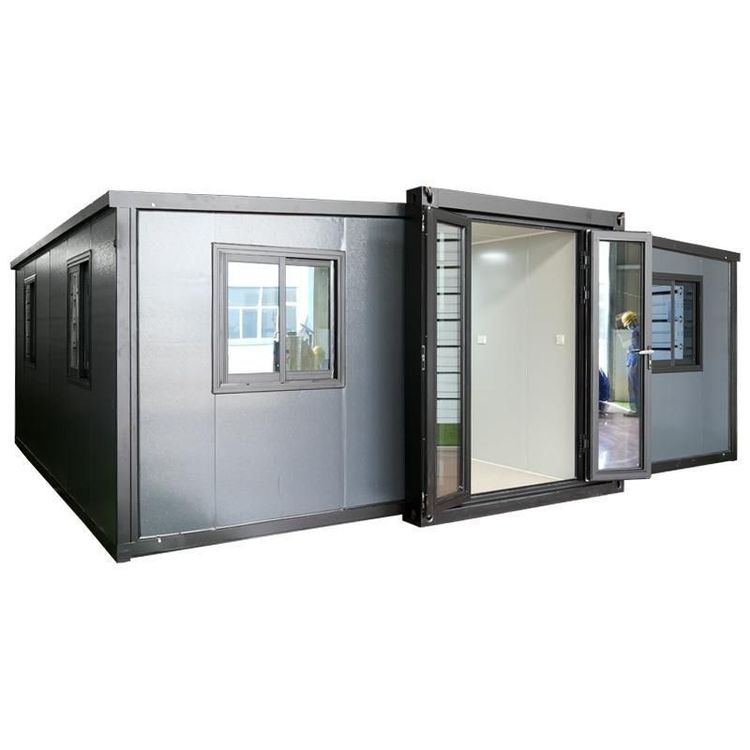
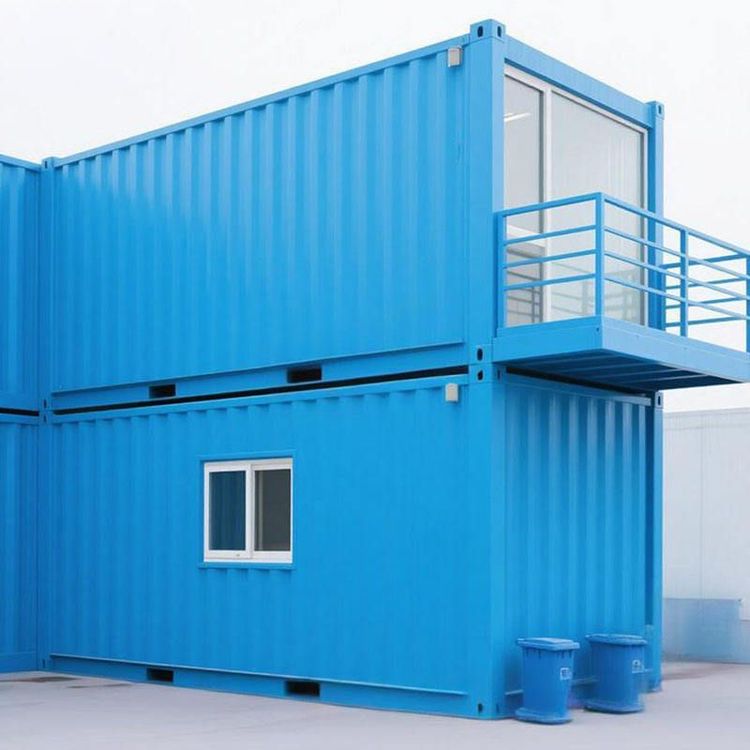
- Main Frame: It forms a closed space with walls, a roof, and a floor, mostly made of lightweight and high-strength materials (such as metal and fiberglass-reinforced plastic), balancing durability and portability.
- Sanitary Facilities: Standard equipment includes sanitary ware (such as toilets or squat pans), washing facilities (sinks), and water tanks. Some high-end models are also equipped with disinfection devices or warm air devices.
- Mobile Devices: Different moving methods are designed according to usage scenarios, such as lifting types moved by lifting equipment, powered types that can move on their own, and towed types that rely on vehicle traction.
II. Classification Methods
- By Structural Form:
- Single Structure: Independent single-stall design, flexible for installation, suitable for places with limited space.
- Composite Structure: Composed of multiple single stalls, it can be expanded into multi-stall facilities to meet high foot traffic demands.
- By Moving Method:
- Lifting/Handling Type: Relies on external equipment (such as forklifts and cranes) for position adjustment, suitable for long-term fixed but occasionally moved scenarios.
- Powered/Towed Type: Built-in engines or can be connected to towing vehicles, suitable for activities requiring frequent location changes (such as music festivals and construction sites).
- By Sewage Treatment Method:
- Water Flushing Type: Flushes with water supplied from a water tank, requiring regular cleaning of the sewage tank, suitable for places with water source replenishment.
- Waterless Flushing Suction Type: Uses vacuum suction to draw excreta into a storage tank, reducing odors but requiring professional vehicle transportation for cleaning.
- Dry Packing Type: Uses degradable bags to collect excreta, requiring no water source, suitable for water-scarce or environmentally demanding areas.
III. Application Scenarios
Due to its flexibility and environmental friendliness, the single-person mobile toilet is widely used in outdoor temporary activities, tourist attractions, natural disaster emergency responses, and other scenarios. For example, in mountainous scenic spots, the dry packing type can avoid the ecological impact of sewage leakage; in large exhibitions, powered mobile toilets can be quickly deployed and adjusted according to the venue layout.