
Portable Toilets for Single Apartments
Currently, there are no standardized portable toilets specifically designed for single apartments, but suitable types can be selected or customized according to needs.
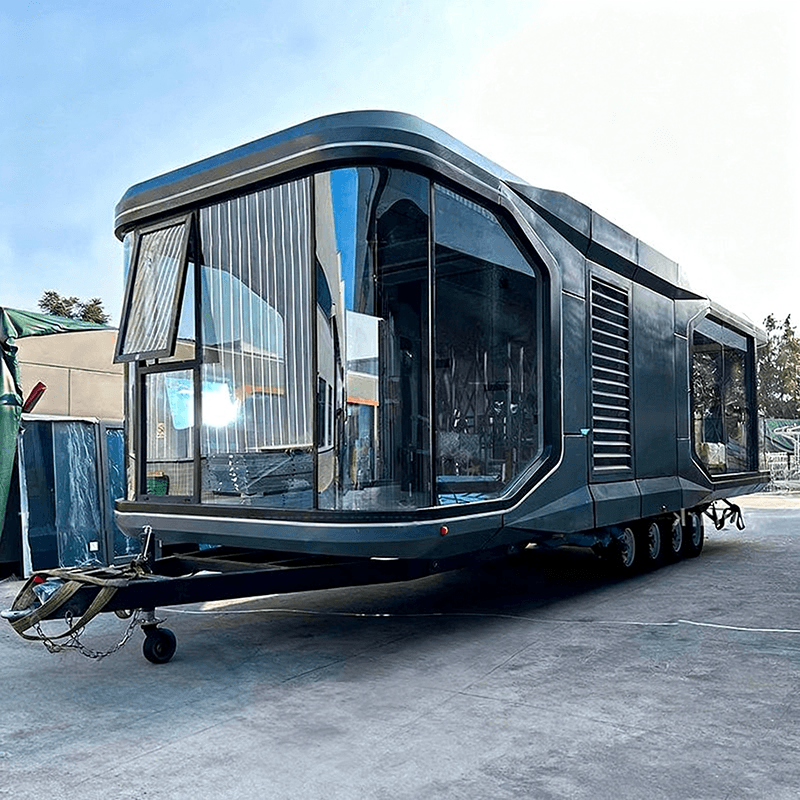
Portable toilets typically consist of core components such as fecal sewage storage tanks (or disposal units), floor slabs, sanitary fixtures, walls, washing equipment, water tanks, roofs, and mobility devices. Their core advantages lie in portability, modular combination capabilities, and convenient transportation features, allowing for flexible layout adjustments based on spatial requirements, making them suitable for small-area scenarios like single apartments.
In terms of structural form, portable toilets can be classified into two categories: single-unit structures and composite structures. Single-unit portable toilets are smaller in size, suitable for the limited bathroom space in single apartments. They can be independently placed in corners or on balconies, with sewage discharged through pipeline connections. Composite portable toilets are composed of multiple modules. If the apartment has additional space or requires added functions (such as sinks or storage cabinets), this type of structure can be selected for customized expansion.
Customization is key to fitting single apartments. For example, the layout of the toilet cubicle and management room can be freely arranged. Users can adjust the toilet door opening direction, fixture positions, etc., according to the actual dimensions of the apartment to avoid occupying too much passage space. If the apartment lacks a sewage pipeline, a model equipped with a fecal sewage storage tank can be chosen, with regular cleaning by a professional team. For long-term use, a small-scale septic tank can be installed or connected to the municipal sewage system.
When renting portable toilets, it is important to avoid hidden charging traps:
- Deposit refund terms: Clearly define the conditions for deposit deduction (such as equipment damage or inadequate cleaning) to avoid disputes during refund;
- Rent-included services: Confirm whether the rent covers basic services such as equipment transportation, installation, maintenance, and sewage disposal to prevent additional charges later;
- Equipment model matching: Select an appropriate capacity based on the apartment's population and usage frequency to avoid resource waste or frequent maintenance due to an oversized or undersized model;
- Usage duration calculation: Clarify whether the rent is calculated by day, week, or month, as well as the overtime fee standards;
- Contract additional terms: Carefully read the contract clauses regarding equipment damage compensation and insurance purchase to avoid hidden liabilities.



