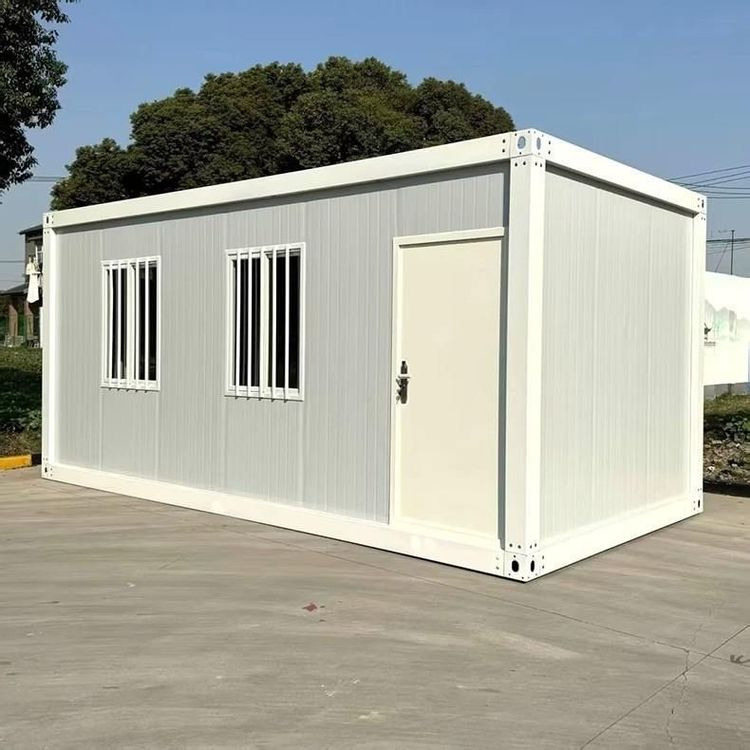
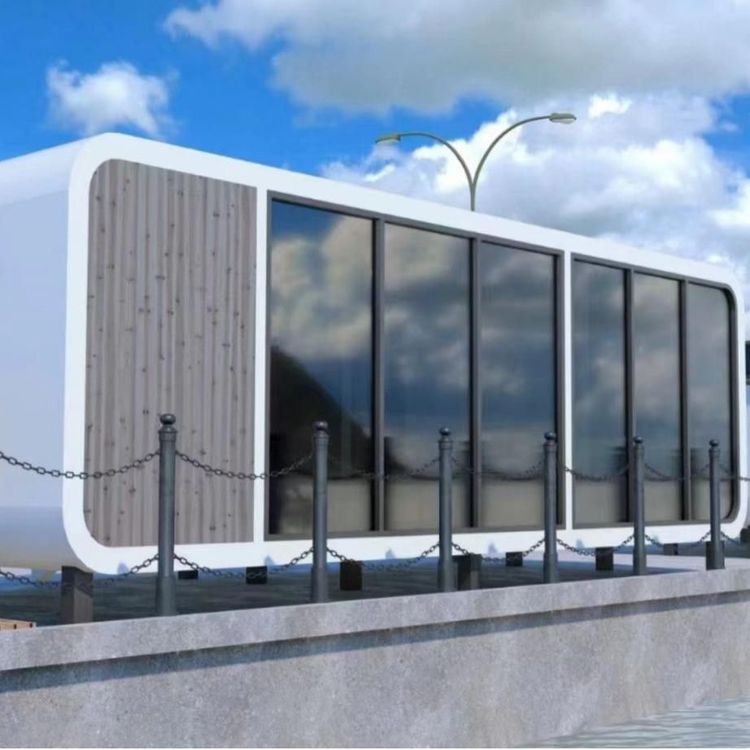
Singapore Mobile Toilets
Singapore has integrated innovative technologies, resource recycling concepts, and human-centered design into the application of mobile toilets, forming an efficient and sustainable management model.
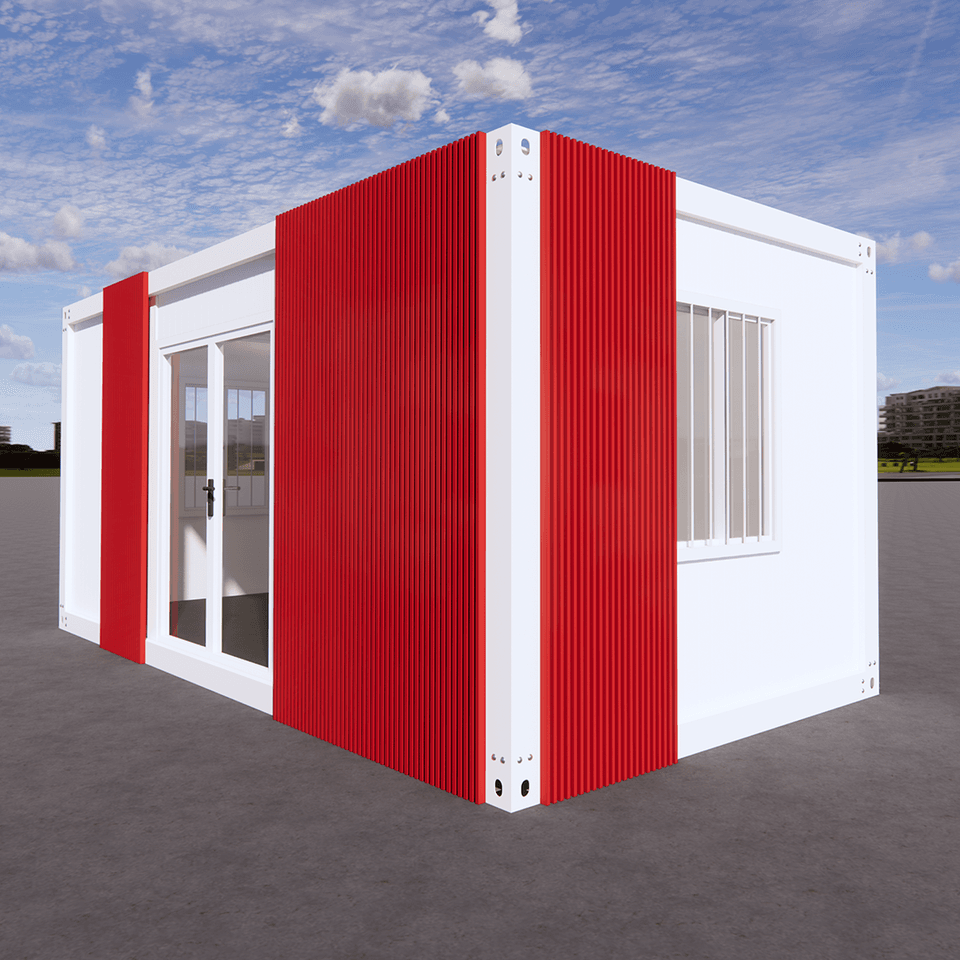
Resource Recycling and Ecological Integration
Some urban pilot projects in Singapore combine mobile toilets with rainwater harvesting systems. By collecting rainwater and treating it into reclaimed water, it is directly used for irrigation of adjacent green spaces. This design not only reduces reliance on municipal water supplies but also achieves water resource recycling, aligning with Singapore's ecological goals of "zero waste" and "sponge city." For example, the treated reclaimed water, after filtration and disinfection, meets irrigation standards, lowering operational costs while enhancing environmental benefits.
Human-Centered and Intelligent Design
The human-centered details of Singapore's public toilets have been extended to the management of mobile toilets. Electronic screens display real-time stall occupancy status, helping users quickly find available spaces and reducing queue times; warm water flushing enhances comfort, especially for the elderly and children; emergency call buttons and Braille signage ensure the safety and convenience of people with disabilities. Additionally, details like phone holders and aroma systems further optimize the user experience. These features are integrated into mobile toilets through modular design, maintaining flexibility while meeting diverse needs.
Rigorous Cleaning and Full Lifecycle Maintenance
Singapore maintains extremely high standards for the cleaning and maintenance of mobile toilets, with cleaning every two hours to ensure hygiene conditions are always up to standard. At the same time, water-saving sensor faucets and automatic deodorization systems are used to reduce water consumption and maintain fresh air. This full lifecycle maintenance philosophy emphasizes long-term investment, such as regular equipment updates and energy efficiency optimization, rather than focusing solely on short-term costs. This mindset drives technological iterations in mobile toilets, such as more durable materials and more efficient sewage treatment modules, extending facility lifespans and lowering overall costs.
Technological Iteration and Long-Term Impact
Singapore's public facility management thinking has positively influenced the development of mobile toilet technologies. For example, through sensors and IoT technology, mobile toilets can monitor usage frequency, water levels, and equipment status in real-time, enabling intelligent management; modular design allows for quick replacement of faulty components, reducing downtime. These innovations not only improve operational efficiency but also provide reference models for the standardization and intelligence of mobile toilets globally.