
Simple Mobile Toilet
Simple mobile toilets can be made from materials such as water storage barrels or tanks, featuring mobility and ease of transportation. Their core structure includes fecal treatment devices, sanitary ware, walls, roofs, and mobile units.
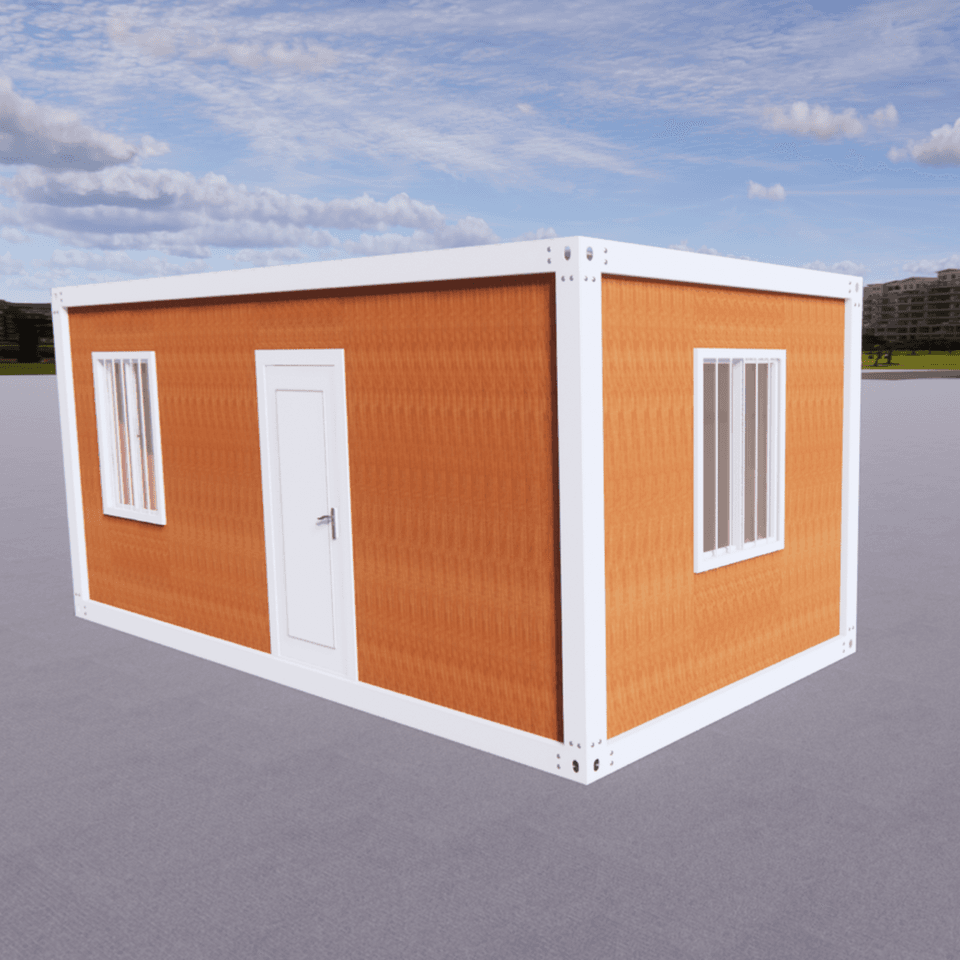
Design Method 1: Based on Water Storage Barrels
Basic Structure Construction
Split the water storage barrel in half and choose one half as the main body. Fix universal wheels at the four corners of a wooden board to form a mobile base, and use wooden strips to increase the height of the barrel for more internal space. Cut a rectangular opening on the side of the barrel as the doorway, install a door frame, and embed plastic soft panels as walls, with the upper part serving as the roof.Drainage and Sewage System
Drill a hole at the bottom of the barrel to install a drain pipe, forming a floor drain structure to ensure smooth sewage discharge. Reserve an interface on the side to connect to an external plastic barrel as a small water storage device (e.g., for flushing water). The toilet should be fixed inside the barrel and connected to an independent sewage barrel via a drain pipe to prevent sewage overflow. Extend the water pipe to the doorway to install a simple sink for integrated functionality.Additional Function Optimization
For hot water supply, connect a small water pipe to make a simple bathroom heater (requiring an external power source or solar heating). All pipe connections should be sealed to prevent leaks.
Design Method 2: Based on Water Storage Tanks
Mobile Base and Tank Modification
Fix universal wheels at the four corners of the bottom of a pallet, place the water storage tank, and use an angle grinder to cut the top to form an open tank. Stack two open tanks and fix them with self-tapping screws to increase internal height. Cut a rectangular opening as the doorway, and drill a hole in the internal floor to insert an elbow and water pipe for toilet installation drainage.Sanitary Ware and Water Supply System
The toilet should be fixed inside the tank, with the water tank connected to an inlet pipe (which can be connected to an external water storage tank or bucket). Fix the water pipe on the wall with clips and install a faucet. The sink drain pipe should be connected to an independent collection device. For shower functionality, install a showerhead and connect it to a hot water pipe (requiring additional heating equipment).Door and Sealing Treatment
Make a door with wooden boards and hinges to ensure smooth opening and closing. All cut edges should be polished smooth, and the connections between the wall and roof should be sealed to prevent odor diffusion.
Core Components and Advantages of Mobile Toilets
Mobile toilets typically include fecal sewage storage tanks (or treatment devices), floor panels, sanitary ware, walls, washing equipment, water tanks, roofs, and mobile units. Their advantages lie in mobility (adapting to temporary site needs), modular design (facilitating combination and expansion), and rapid deployment capability (without complex infrastructure), making them suitable for construction sites, disaster areas, outdoor events, and other scenarios. When making them, prioritize corrosion-resistant materials (such as plastic and stainless steel) and ensure smooth drainage systems to extend their service life.



