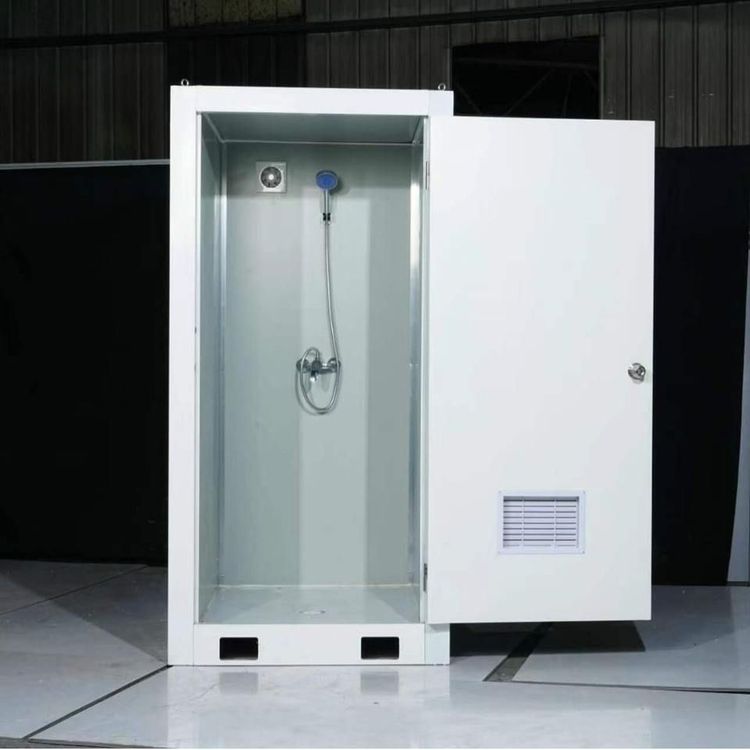
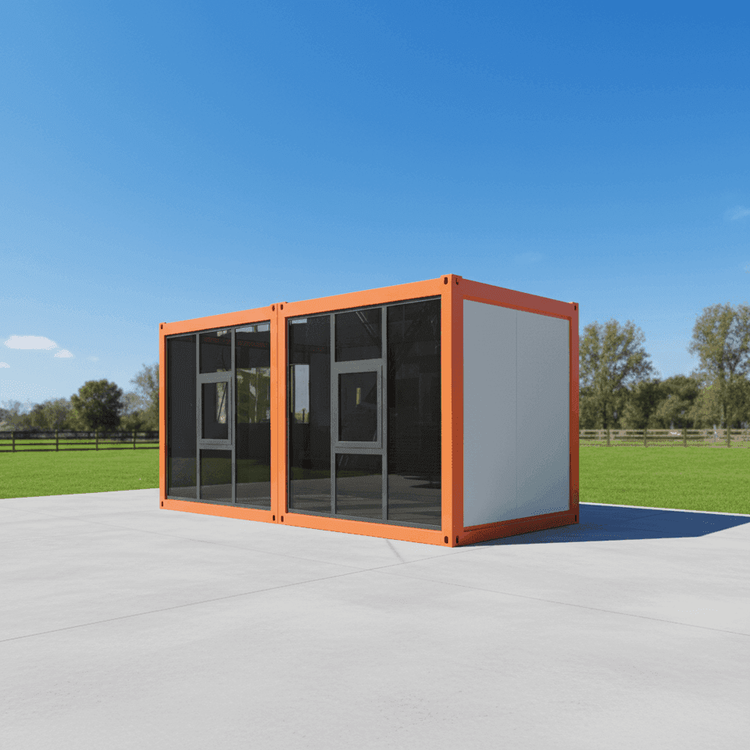
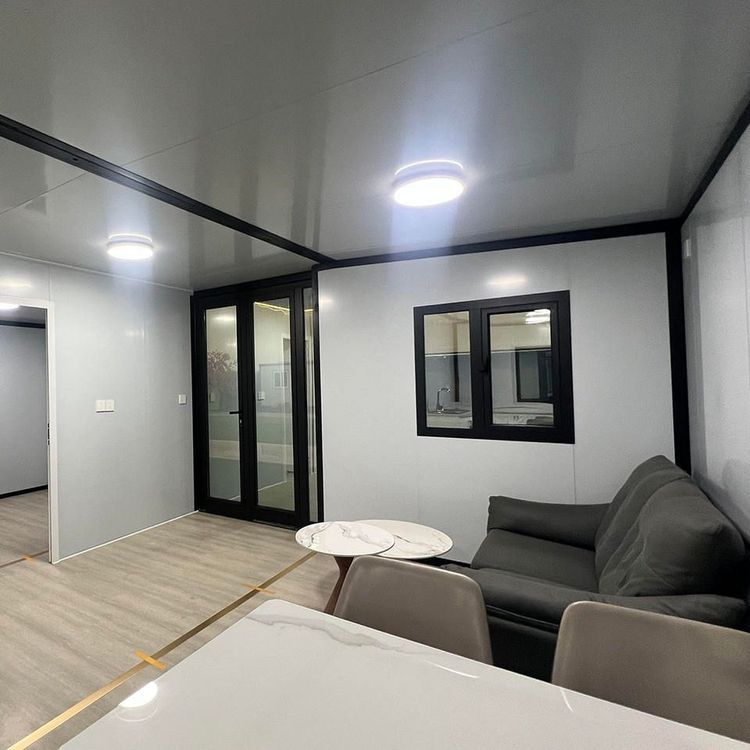
Simple Mobile Toilet Live Broadcast
"Mobile toilet live broadcast" generally refers to live broadcasts centered around the usage scenarios or search processes of mobile toilets, which may involve privacy disputes and public management issues.
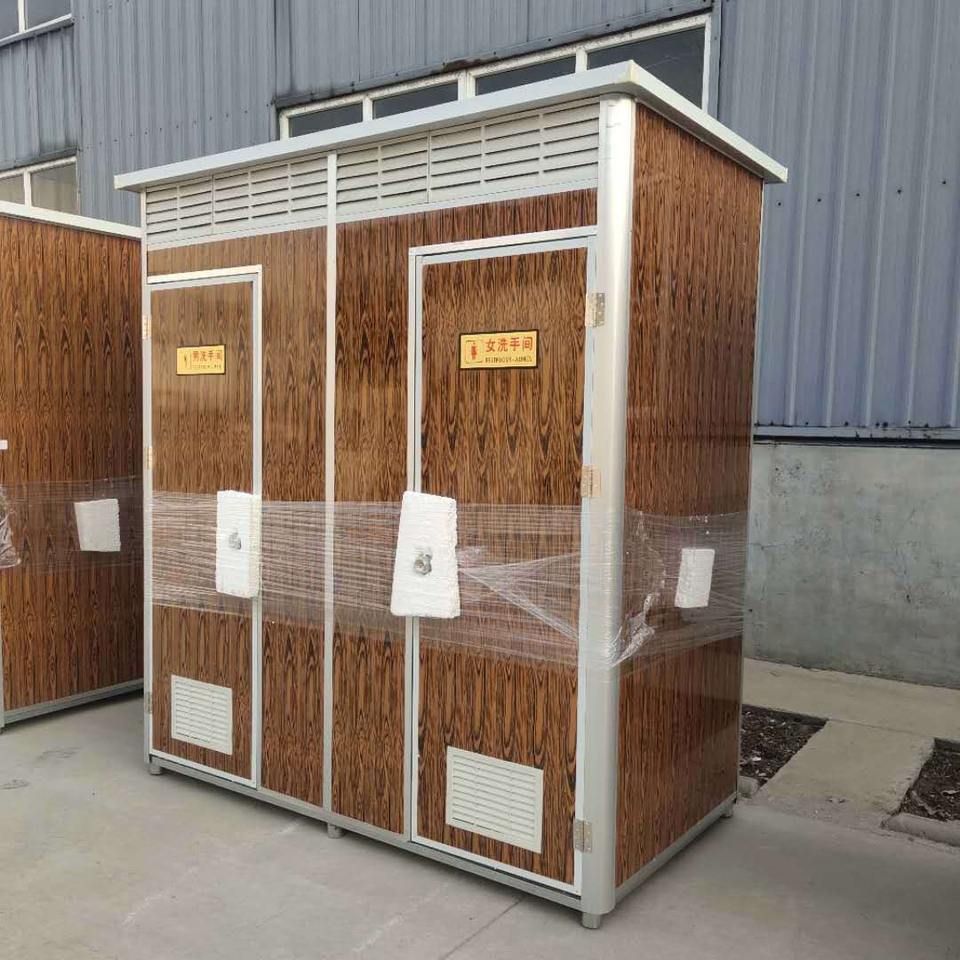
1. Types of Live Broadcast Content and Disputes
According to available information, mobile toilet live broadcasts mainly fall into two categories: One is the "accidental live broadcast" of toilet usage scenarios, such as when some mobile toilets, due to design flaws (e.g., transparent windows), expose users' privacy, leading to them being filmed or live-streamed by passersby and sparking disputes that are "embarrassing for both inside and outside". Such live broadcasts often involve privacy violations and may contravene the provisions of the Civil Code regarding the protection of personality rights, with users having the right to demand cessation of the infringement and pursue accountability. The other type is the live broadcast of the process of searching for or using mobile toilets outdoors, such as when hosts record their experiences of finding toilet locations in wilderness or event venues. If such live broadcasts do not deliberately expose others' privacy, they are generally considered personal behavior, but attention should be paid to compliance in public places.
2. Privacy and Ethical Risks
The core dispute of mobile toilet live broadcasts lies in the boundary of privacy. If the live broadcast content involves real-time footage of others using the toilet, even if unintentional (e.g., due to transparent toilet design), it may constitute an infringement on others' privacy rights. According to the Personal Information Protection Law, the privacy of natural persons is protected by law, and no organization or individual may illegally collect, use, process, or transmit others' private information. In addition, such live broadcasts may raise public doubts about the design of public facilities, prompting relevant departments to optimize privacy protection measures for mobile toilets (e.g., using frosted glass or adding shielding designs).
3. Public Management and Regulatory Recommendations
From the perspective of public management, mobile toilet live broadcasts need to balance individual freedom of expression with public order. For live broadcasts that accidentally expose privacy, platforms should establish rapid response mechanisms to promptly remove non-compliant content; for live broadcasts that actively use others' privacy as a selling point, accountability should be pursued in accordance with the law. At the same time, event organizers or urban managers should prioritize selecting products that meet privacy protection standards when deploying mobile toilets to avoid disputes caused by design flaws. In addition, the public should also raise their awareness of privacy protection and avoid participating in or disseminating live broadcast content that infringes on others' rights.
The boundaries of mobile toilet live broadcasts should be based on laws and ethics, respecting both individual expression rights and safeguarding others' privacy rights and public interests.