
How is the Signal Quality of Container Houses?
The signal strength in container houses is generally weak, with the specific degree of attenuation influenced by factors such as material, structure, environment, and equipment configuration. Targeted optimization is required to meet daily needs.
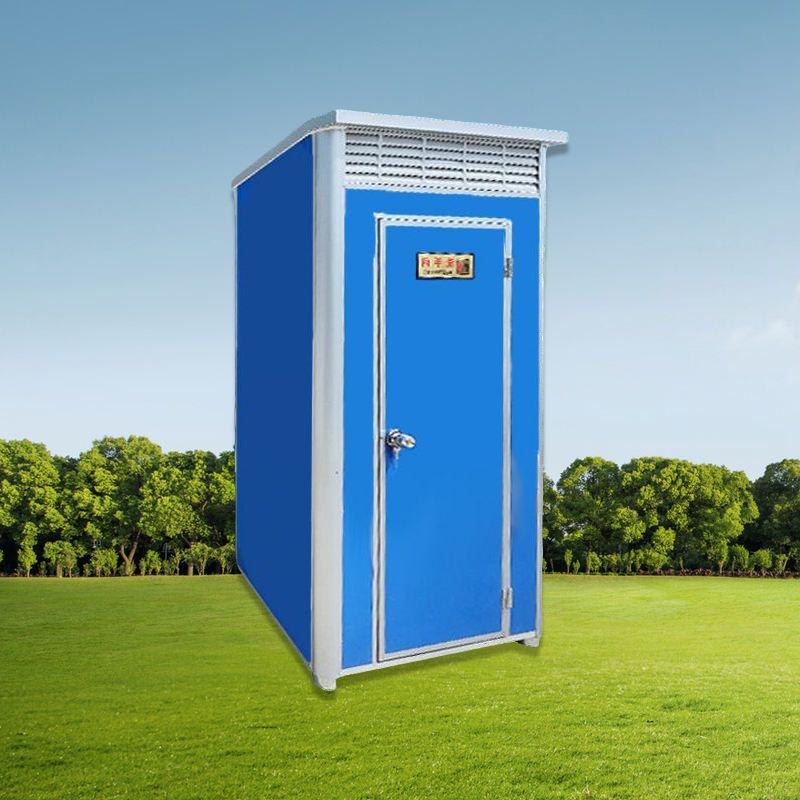
I. Core Factors of Signal Attenuation
Material Shielding Effect
The steel container body is the primary cause of signal attenuation. Galvanized steel sheets with a thickness of ≥5cm can attenuate signals by 30-50dB, and full-steel-structured container houses have been measured to reduce 4G signal strength by approximately 60%. The 'Faraday cage' effect formed by the metal shell obstructs the penetration of external electromagnetic waves, with signal attenuation being more pronounced when doors and windows are closed.Impact of Internal Fillers
Rock wool or EPS sandwich panels further weaken the signal. For example, when 2.4GHz WiFi signals penetrate such materials, the loss increases by 15-20dB. Double-layer steel plate + insulation structures require the additional deployment of signal amplifiers; otherwise, indoor signals may not meet basic communication needs.叠加的环境因素
Geographical location and stacking method directly affect signal coverage. In remote areas with low base station density, signals are inherently weak; in densely populated urban areas, if containers are stacked in multiple layers, upper containers may block signals to lower ones, creating 'signal blind spots'.
II. Targeted Solutions
Passive Enhancement Design
- Signal Windows: Cut wave-transparent holes in non-load-bearing parts of the container body (ensuring structural strength) or use glass curtain wall container houses to reduce signal attenuation by leveraging the wave-transparency of glass.
- Optimized Door and Window Design: Choose doors and windows with wave-transparent areas to avoid fully enclosed metal structures, reducing the impact of the 'Faraday cage' effect.
Active Enhancement Equipment
- Signal Amplifiers: Install 4G/WiFi signal amplifiers (recommended output power ≤20dBm) to effectively boost indoor signal strength, but be cautious to avoid interfering with surrounding base stations.
- Wired Network Alternatives: Prioritize the deployment of Ethernet or fiber optic access to reduce reliance on wireless signals, especially suitable for fixed office scenarios.
Construction Specification Requirements
According to temporary building standards, concentrated residential areas should ensure indoor signal strength ≥-85dBm, with one communication access point (such as a micro base station or distributed antenna system) configured for every 20 containers to ensure uniform coverage.
III. Purchase Recommendations
- High Signal Demand Scenarios (e.g., command centers, data centers): Prioritize glass curtain wall or modular container houses, reserving installation positions for signal enhancement equipment for easy future upgrades.
- Conventional Residential Scenarios: Choose simple mobile homes with optimized ventilation windows or camping houses that can optionally be equipped with signal enhancement kits, balancing cost and communication needs.
Tip: Actual signal strength should be tested at multiple points inside the container (e.g., corners, beds, office areas) using a professional field strength meter to avoid localized signal weakness due to structural differences.



