
Side-Opening Mobile Toilet
Currently, there is no publicly available information that explicitly mentions the specific design or structure of a 'side-opening mobile toilet'. However, based on the general characteristics of mobile toilets, we can infer its potential technical directions.
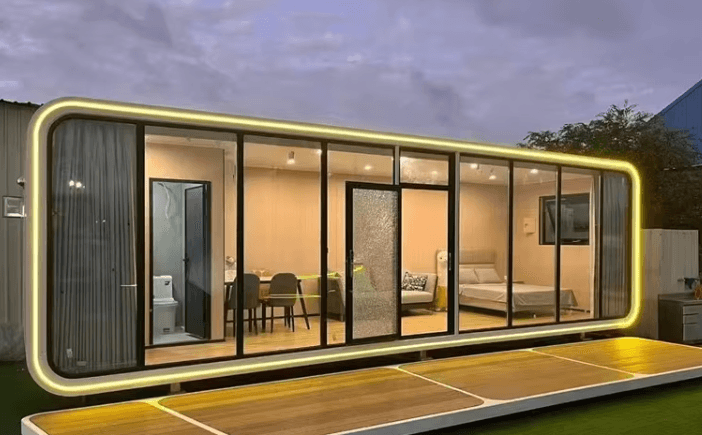
Mobile toilets typically consist of core modules such as a frame, walls, a roof, sanitary fixtures, a water tank, and a mobile device. The frame is often welded from channel steel or square steel and must meet the strength requirements for lifting or towing. Wall materials include color-coated steel plates, fiberglass-reinforced plastic, or stainless steel, balancing lightweight construction with durability. The roof design must be waterproof and easy to maintain. The layout of sanitary fixtures (such as squat toilets or sit toilets) and the water tank should optimize space utilization. The mobile device enables overall relocation through lifting hooks, towing chassis, or power systems (such as electric wheels).
Potential Technical Points of Side-Opening Design:
- Frame Structure Adjustment: Traditional mobile toilets often feature a rear door or a small side window. A side-opening door requires replanning the frame's stress points. For example, adding reinforcing ribs or diagonal braces around the door frame prevents structural deformation due to frequent opening and closing. The door hinge position should align with the frame's main beam to ensure long-term stability.
- Space Optimization: A side-opening door reduces the space required for opening in the front or rear, making it suitable for narrow sites (such as alleys or temporary construction areas). The door width should be adjusted according to the internal layout to avoid occupying excessive internal space while ensuring sufficient passage for users.
- Sealing and Odor Control: The sealing performance of a mobile toilet directly affects the user experience. A side-opening door should use double-layer sealing strips or magnetic door seals to prevent odor leakage. A water baffle can be installed at the bottom of the door to prevent sewage overflow. Some designs may incorporate exhaust fans or deodorization modules to further improve air quality.
Application Scenario Adaptability: The side-opening design may be more suitable for scenarios with high foot traffic but limited space. For example, during the May Day holiday in 2026, Shanxi Jinci Scenic Area used mobile toilets retrofitted from buses. If a side-opening design were adopted, it could reduce the vehicle's parking area and enhance deployment flexibility. Additionally, construction sites and temporary event venues requiring rapid deployment may prioritize this design for its convenience.
Recommendation: For specific technical parameters or case studies, it is recommended to directly contact mobile toilet manufacturers (such as professional environmental protection equipment companies) or consult relevant design specifications published by the Construction Standardization Association for more accurate information.



