Container-to-House Transformation in Sichuan Mountainous Areas
The transformation of containers into houses in Sichuan mountainous areas represents a sustainable architectural form that combines flexibility, sturdiness, and cultural characteristics, widely applied in tourism, residential, and cultural tourism projects, and showing a diversified development trend.

1. Structural and Functional Advantages
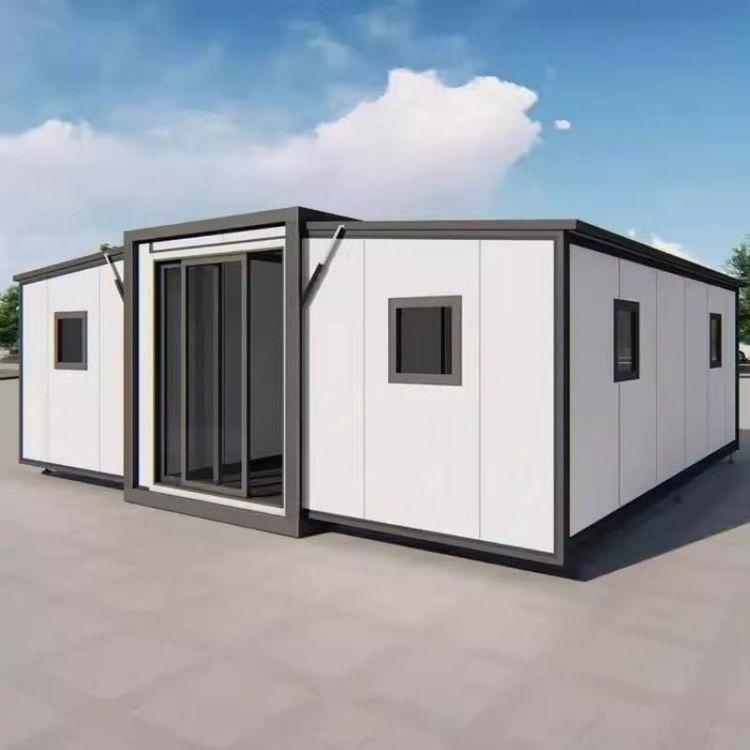
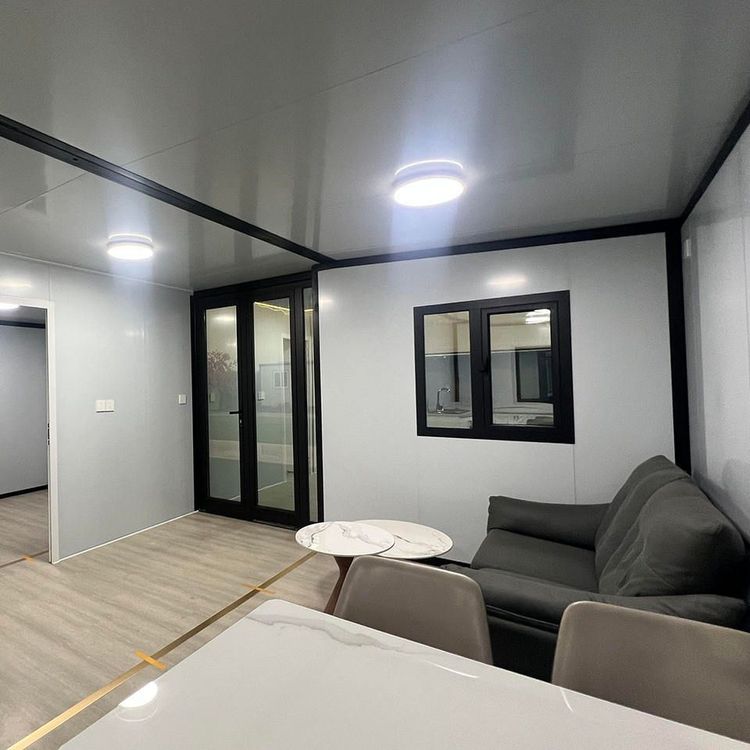
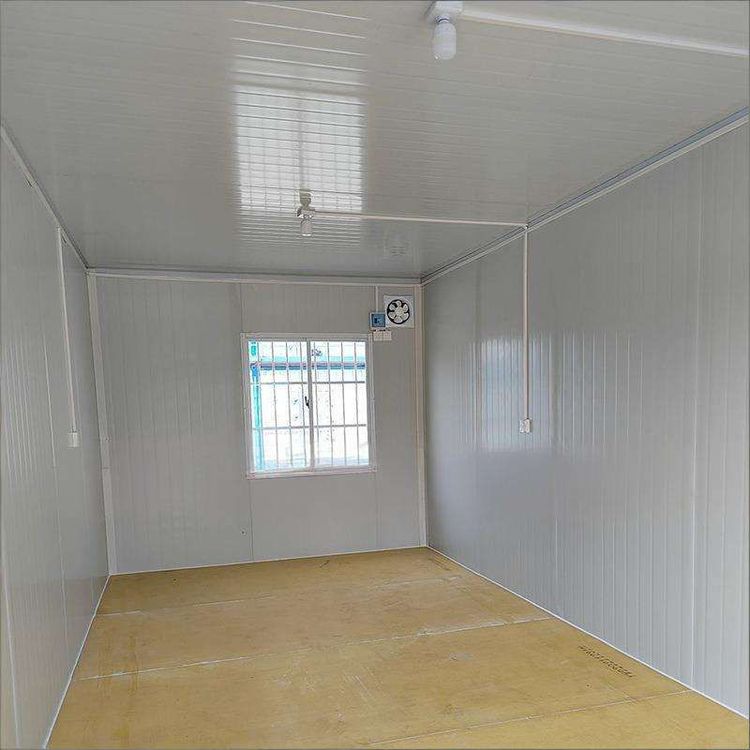
Container houses are based on discarded containers, transformed through cutting, splicing, and adding glass windows to form complete living spaces including independent bedrooms, kitchens, bathrooms, and small balconies. Their core advantage lies in sturdiness: containers are made of high-strength steel, capable of withstanding common natural disasters in Sichuan mountainous areas such as wind, rain, lightning, and even earthquakes. After professional reinforcement, their safety far exceeds that of traditional tents or simple panel houses. Meanwhile, flexibility is another major feature—houses can be hoisted and moved as a whole, adapting to seasonal changes or travel route adjustments, meeting personalized needs for “stopping and staying wherever desired.”
2. Eco-Friendly and Culturally Integrated Design
During transformation, eco-friendly and energy-saving technologies are widely adopted, such as solar panels and rainwater collection systems, reducing reliance on traditional energy sources. Some houses use thermal insulation materials and double-glazed windows to enhance energy efficiency. In terms of cultural design, container houses in western Sichuan often incorporate ethnic elements like Tibetan totems and Qiang tower shapes, paired with traditional materials such as wooden windows and blue tiles, creating a harmonious coexistence of modern architecture and regional culture. For example, homestays around Daocheng Yading feature Tibetan-style colored paintings and star-gazing skylights, preserving cultural characteristics while meeting tourists' needs for natural scenery viewing.
3. Diversified Application Scenarios
- Tourism Accommodation: In scenic spots like Daocheng Yading and Siguniang Mountain, container homestays have become alternatives to traditional tents and hotels due to their advantages in cold resistance, mosquito protection, and privacy. Container campsites in Jiuzhaigou and Emei Mountain integrate accommodation and catering services, with some projects extending tourists' stays through “mobile viewing platforms.”
- Cultural and Tourism Innovation: Container homestays in rural areas around Chengdu combine rice paddy and bamboo forest landscapes, offering a “window-to-nature” experience. In urban areas, trendy districts utilize container clusters to create “urban utopias,” attracting young people to check in.
- Future Expansion: As market demand grows, container houses are extending into rural homestays, outdoor campsites, temporary office spaces, and other fields. For example, companies have launched multi-bedroom units and romantic-themed rooms to meet family travel or team-building needs.
4. Market Development and Sustainability
The prosperity of Sichuan's tourism industry and the pursuit of personalized lifestyles have driven rapid growth in the container house market. Companies enhance competitiveness through innovative designs (such as modular combinations and smart security systems), while policy support and the popularization of eco-friendly concepts provide development opportunities. In the future, container architecture is expected to become an important carrier for rural revitalization and low-carbon tourism, reducing construction waste through standardized production and recyclability, and contributing to sustainable development.