
Shuangyashan Park Portable Toilet
The portable toilet rental service in Shuangyashan Park provides a flexible and convenient temporary sanitation solution for outdoor venues such as parks. Its core features and advantages can be elaborated as follows:
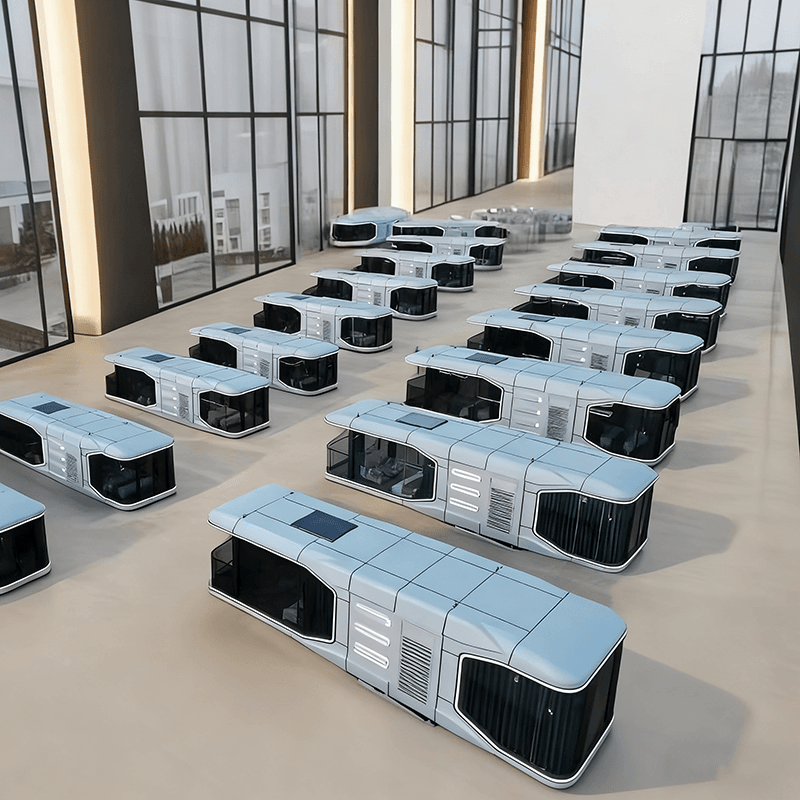
1. Modular Design and Portability
Portable toilets are composed of standardized modular units, utilizing chassis towing systems or container-style frame structures, eliminating the need for fixed sewage networks and water supply systems. This design enables rapid deployment in venues without municipal infrastructure, such as park lawns and mountain trails, breaking through the physical limitations of traditional toilet site selection. For example, service providers can select single-unit or multi-unit modules based on the park's terrain, transport them to designated locations by vehicle, and connect them to septic tanks or collection boxes via temporary pipelines for immediate use.
2. Independent Functional Systems Ensure User Experience
The interior is equipped with four core systems:
- Toilet System: Utilizes water-saving squat toilets or sit toilets to cater to different user needs;
- Flushing/Sealing System: Some models are equipped with recirculating water flushing technology or biodegradable agents to reduce water consumption;
- Ventilation System: Effectively controls odor diffusion through forced or natural ventilation designs;
- Lighting and Signage System: Built-in LED lighting and anti-slip signs enhance nighttime safety.
These systems ensure that portable toilets can still achieve waste collection, odor control, and basic comfort even when disconnected from municipal networks.
3. Customized Deployment and Full-Service Process
Service providers plan the number and type of units based on event scale, demographic characteristics (such as the proportion of children and elderly), and site conditions. For example, large music festivals may require more than 50 multi-unit toilets, while community events typically use 10-20 single-unit toilets. The deployment process includes transportation, on-site positioning, pipeline connection, and septic tank placement, with standardized operating procedures established:
- During Use: Daily scheduled cleaning and replenishment of consumables (such as toilet paper and disinfectant);
- Waste Disposal: Regular pumping of septic tanks or replacement of collection boxes to prevent overflow;
- Post-Event Restoration: Removal of equipment and restoration of the site to its original condition after the event.
4. Environmental Value and Social Benefits
Portable toilets reduce random pollution to soil and water bodies through centralized collection and professional treatment of waste, serving as an effective supplement to traditional sanitation systems, especially in ecologically sensitive areas (such as wetland parks) or temporary gathering areas with insufficient municipal cleaning services. Additionally, their rental model reduces construction costs for event organizers, avoids the need to abandon site selection due to inadequate sanitation facilities, and promotes the diversification of outdoor activities.



