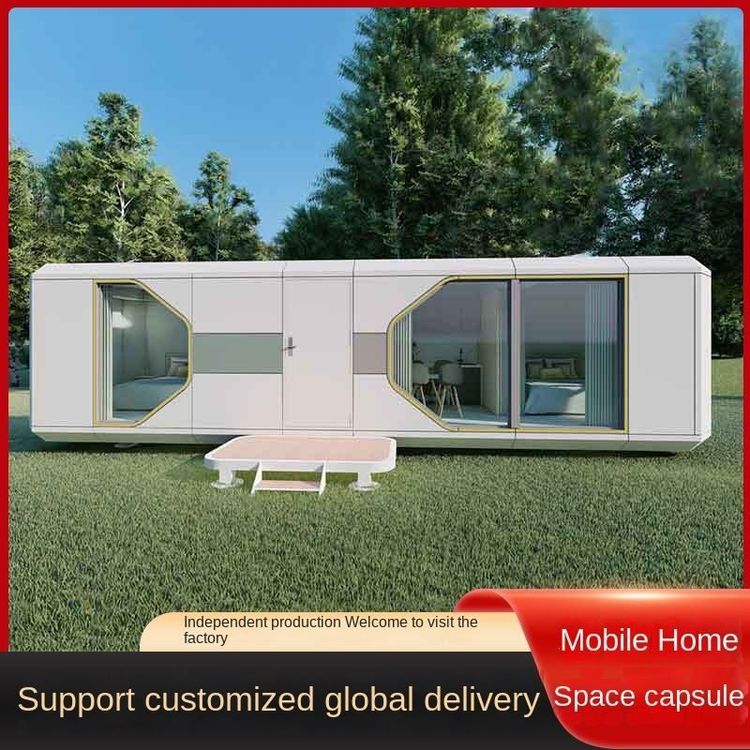
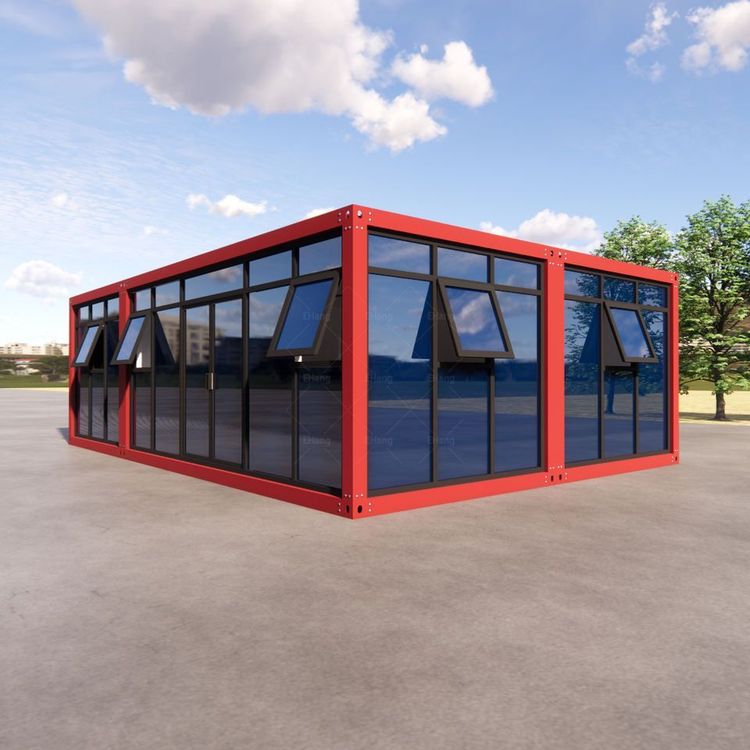
Shuangyashan Outdoor Mobile Toilet
The Shuangyashan outdoor mobile toilet is a facility that provides temporary sanitation solutions through leasing for non-fixed locations and short-term urban construction needs. Its technology, applications, services, and advantages are as follows:

1. Technological Implementation and Functional Design
Mobile toilets utilize lightweight materials and standardized structures, supporting rapid loading, unloading, and transportation. They integrate functions such as waste collection, ventilation, and basic flushing. Some are equipped with self-contained water storage units or can be connected to temporary water and electricity lines. Treatment technologies include biodegradation, chemical decomposition, or sealed storage and transportation, ensuring normal operation even when disconnected from fixed sewage networks. For example, solar panels and battery packs can meet electricity demands for lighting and ventilation, reducing reliance on external energy sources.
2. Application Scenarios and Flexibility
- Outdoor Events: For large gatherings, sports events, temporary markets, and other scenarios, the number and layout of mobile toilets can be adjusted to match the scale of the event, minimizing long-term ecological impact on the venue and allowing for rapid removal after the event.
- Urban Construction: In construction areas and renovation sites, they provide transitional sanitation for construction workers or affected populations, with deployment locations adjustable according to project progress to meet dynamic construction needs.
3. Service Operations and Environmental Requirements
Service providers need to develop transportation, installation, and maintenance plans, increasing cleaning frequency for high-usage scenarios and considering equipment protection in remote areas. Waste disposal must comply with environmental regulations, adopting centralized management to reduce pollution risks to soil and water bodies. For example, sealed storage and transportation technology prevents waste leakage, while biodegradation technology reduces pollution through microbial decomposition.
4. Core Advantages and Value
- Mobility: Location transfer is achieved through chassis towing systems or container frames, eliminating the need for pre-laid sewage networks and water supply systems, reducing construction costs.
- Modular Combination: Supports internal space adjustments, such as distinguishing between general units and barrier-free units, to meet the needs of different populations.
- Dynamic Resource Allocation: Decouples sanitation functions from fixed buildings, transforming them into mobile resources that can be allocated on demand, enhancing the flexibility of urban public services.
5. Typical Cases
Services cover large events such as marathons, concerts, and music festivals, as well as construction sites and temporary functional areas. For example, the Shuangyashan Music Festival and construction sites have met short-term sanitation needs by leasing mobile toilets, validating their effectiveness in practical applications.