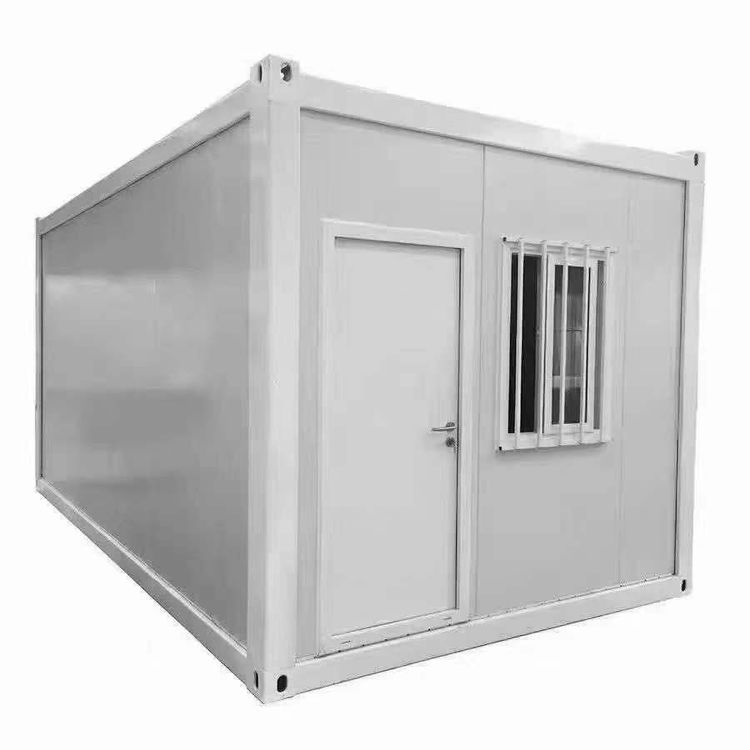
Shuangyashan Mobile Public Toilets
Shuangyashan offers rental services for mobile public toilets, covering various types such as mobile toilets, mobile restrooms, temporary public toilets, shower rooms, and washrooms. The following provides an introduction from three aspects: technical characteristics, rental process, and maintenance management:

I. Technical Characteristics
Mobile public toilets adopt a modular design, with core components prefabricated in the factory and only requiring connection and fixation on-site. They do not rely on fixed piping systems and can be flexibly deployed using transportation vehicles. The water supply module depends on temporary water storage containers and uses pressure devices to deliver water flow. Waste treatment employs biodegradation, chemical decomposition, or sealed storage techniques, with some models equipped with recycling purification systems to extend usage cycles.
The internal space layout is calculated based on ergonomics, with materials selected as corrosion-resistant and easy-to-clean composite panels. The walls contain insulation layers to adapt to different climatic conditions. The ventilation system combines natural convection with mechanical exhaust to ensure air circulation. The facilities are diverse and can meet basic needs such as toileting, showering, and handwashing, making them suitable for temporary events, construction sites, and other scenarios.
II. Rental Process
Before renting, a technical parameter matching assessment is required:
- Demand Estimation: Determine the number of facilities and layout plan based on peak-hour foot traffic. For example, large events require one toilet stall per 50-100 people;
- On-site Condition Verification: Check the ground load-bearing capacity (usually ≥2 tons/square meter), vehicle access channel width (≥3 meters), and distance to water and electricity interfaces (recommended ≤50 meters);
- Duration and System Configuration: Short-term rentals (≤7 days) use basic treatment plans, while long-term rentals require the configuration of recycling purification systems to reduce maintenance costs.
The lessee needs to provide a site plan and usage plan, and the supplier will provide a customized solution and sign a contract accordingly.
III. Maintenance Management Standards
- Daily Cleaning: Use dedicated neutral cleaning agents to avoid corroding material surfaces;
- Biological Treatment Unit Maintenance: Regularly add bacterial agents (every 3-5 days) to maintain degradation efficiency;
- Freeze Protection Measures: In winter, drain water from pipes and add antifreeze to prevent equipment damage from freezing;
- Record Management: All maintenance operations (such as cleaning time, amount of bacterial agent added, and fault handling) need to be recorded in detail to ensure traceability.
Mobile public toilets effectively meet the demand for sanitation facilities in temporary scenarios through standardized design and flexible deployment. Their technical maturity and standardized management provide reliable protection for public health.