
Shuangyashan Cement Prefabricated Housing
The creative residential form related to cement prefabricated housing in Shuangyashan mainly consists of container houses. Currently, there are no publicly disclosed whole-building projects with cement prefabricated components as the main body, but the technological accumulation of the local cement product industry provides a foundation for future research and development.
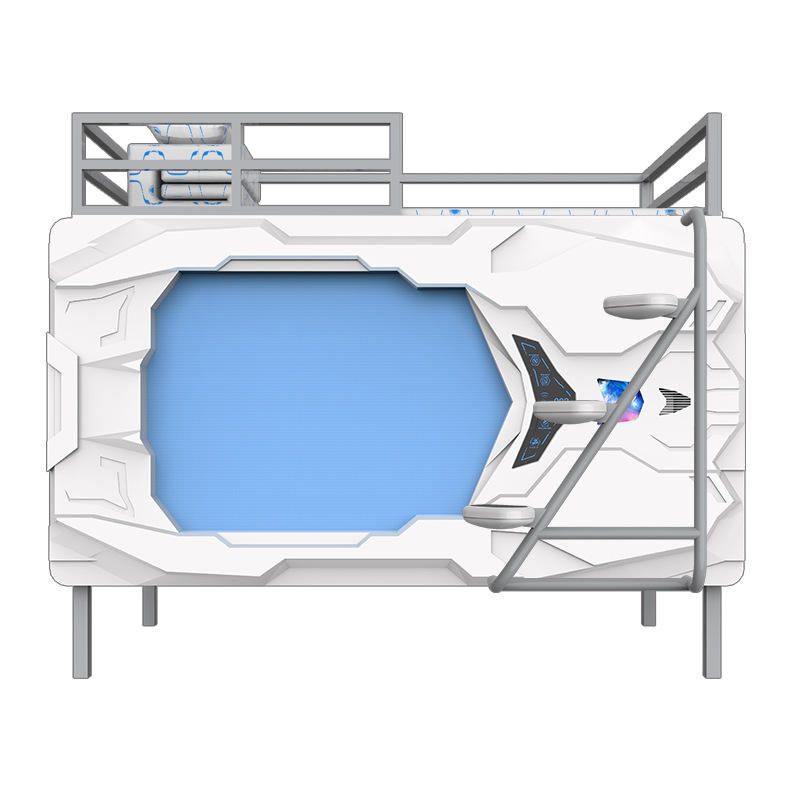
Container Houses: Creative Residential Practices in Shuangyashan
In the innovation of residential forms in Shuangyashan, retired shipping containers have been used as the core material to develop container houses. These houses are transformed from industrial containers into livable spaces through structural reinforcement, thermal insulation treatment, and internal space optimization design. Their construction process fully embodies the concept of environmental protection: the modular combination method allows for flexible adjustment of the spatial layout, with the construction period shortened by 30%-50% compared to traditional buildings; the factory prefabrication and on-site assembly model significantly reduces on-site wet operations, cutting the amount of construction waste by more than 60%. For example, a project in Shuangyashan uses 40-foot standard containers, forming a two-story living space through stacking and offset splicing. It is equipped with underfloor heating, a fresh air system, and smart home devices, achieving a balance between industrial aesthetics and residential functionality.
Potential Technological Foundations for Cement Prefabricated Housing
Although there are no whole-building cement prefabricated housing projects in Shuangyashan yet, the local cement product industry has accumulated expertise in key technological areas, providing support for future research and development:
- Raw Material Performance Optimization: By adjusting the ratio of siliceous (such as fly ash and slag) to calcareous (such as limestone and cement) raw materials, a cement-based material with a 30% improvement in freeze-thaw resistance has been developed. This material can adapt to the low-temperature environment below -30°C in Shuangyashan in winter, reducing the risk of structural cracking caused by freeze-thaw cycles.
- Molding Process Supporting Complex Shapes: The application of high-frequency vibration processes (with a frequency of ≥150Hz) and silicone molds enables the precise replication of non-linear shapes in cement prefabricated components. For example, local enterprises have successfully produced complex products such as curved exterior wall panels and hollow decorative components, with an error control within ±1mm, providing more possibilities for building facade design.
- Functional Surface Treatment: Through nanocoating technology, the surfaces of cement prefabricated components can achieve self-cleaning, antibacterial, and photocatalytic degradation of pollutants. For example, a titanium dioxide coating developed by an enterprise can achieve a pollutant decomposition rate of over 85% on the component surface, reducing later maintenance costs.
Future Prospects
The research and development of cement prefabricated housing in Shuangyashan can focus on modular design, structural lightweighting, and intelligent integration. For example, by combining local technological advantages, prefabricated wall panels with freeze-thaw resistance and self-cleaning functions can be developed. These can be quickly assembled through standardized interfaces while embedding sensors to achieve environmental monitoring and equipment linkage, promoting the upgrading of residential forms towards green and intelligent directions.
You may also like

Portable Toilet Rental for Construction Sites: What to Consider
Read More
Portable Toilet Rental Price Guide: Budget, Mid-Range & Premium
Read More
Portable Toilet Color Steel: A Practical Buyer's Guide
Read More