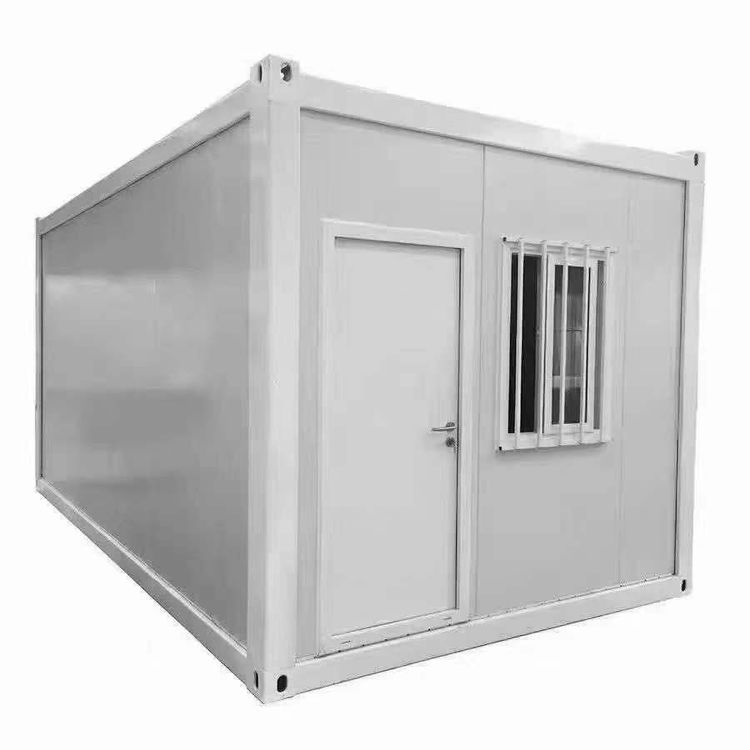
Shuangpai Mobile Toilet Inspection
The inspection of mobile toilets in Shuangpai should cover six major aspects: structural safety, sanitary conditions, electrical systems, operational status, environmental performance, and facility functionality, and should be carried out by professionals with results fed back.

Structural Safety Inspection
It is necessary to evaluate the strength of frame materials, the stability of connecting components, and overall stability. Use laser rangefinders and steel tapes to measure wall distribution, window-to-door ratios, and structural axial ratios; check for aging or deformation in load-bearing components, abnormalities at steel component connections, and defects or cracks in welds. The wind resistance should reach at least Level 10, and the earthquake resistance should be no less than Level 8. Waterproof testing involves continuously spraying water along exterior walls, corners, and roofs with a water cannon for 15 minutes, then observing for leakage after stopping for 1 hour.
Sanitary Conditions Inspection
Focus on checking whether the toilet bowl surface is smooth and crack-free, whether cleaning tools are complete, whether the sewage system is unobstructed, and whether there are any blockages or leaks in the pipes. Air quality monitoring requires testing for concentrations of odors such as ammonia and hydrogen sulfide, sampling and analyzing microbial indicators such as total surface bacteria and coliforms, and assessing the cleanliness of high-frequency contact areas (such as toilet bowls and handwashing stations).
Electrical System Inspection
It is necessary to check the safety of power lines, the rationality of socket installation locations, and the working status of lighting equipment. The waterproof performance of electrical equipment in outdoor environments is particularly important, and it must meet the required protection level to avoid the risk of short circuits or electric shocks due to moisture.
Operational Status Inspection
Record any abnormal noises, vibrations, or other irregularities during equipment operation, analyze the service life and maintenance records, and assess the overall condition. Equipment that has not been maintained for a long time may have worn components or degraded functionality, and timely repair or replacement recommendations should be made.
Environmental Performance Inspection
It is necessary to confirm whether an effective sewage treatment system is in place and whether it can achieve resource utilization or harmless treatment of sewage. Equipment energy consumption is also an important indicator, and low-energy designs help reduce operating costs and environmental impact.
Facility Functionality Inspection
Test the stability of water pressure in the flushing system, water-saving efficiency, and the unobstructed flow of sewage pipes; check whether lighting, ventilation, and barrier-free facilities (such as handrails and ramps) comply with national standards. For new types of mobile public toilets, it is also necessary to test the operational status of solar power systems and smart sensing devices to ensure complete functionality and compliance with technical specifications.
After the inspection is completed, professionals should organize the results and feed them back to relevant departments or users, proposing improvement suggestions for any issues found to ensure the safe, sanitary, and efficient operation of the mobile toilets.