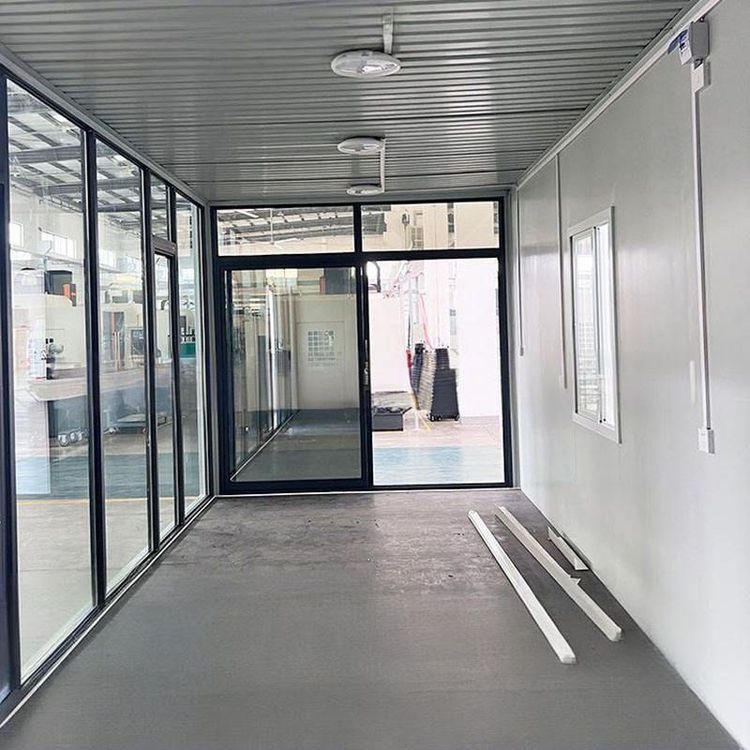
Shopping Mall Mobile Toilet Layout
The layout of mobile toilets in shopping malls requires comprehensive consideration of multiple factors, including planning and site selection, type selection, sewage disposal methods, functional configurations, surrounding environments, and post-installation maintenance and operations.
Initial Planning and Site Selection: Estimate the total number of toilet stalls based on the mall's foot traffic, referencing the standard of 1-2 stalls per 1,000 people at large exhibitions. Distribute restrooms evenly across hotspots such as entrances, dining areas, main corridors, and rest areas to avoid congestion at single points. For example, Xijiao Bailian Mall sets up two restroom groups on each floor, with a service radius controlled within 50 meters. Additionally, survey the site in advance to ensure the ground is level and the load-bearing capacity meets standards (typically ≥2 tons per square meter), with slightly elevated terrain and good drainage. Confirm the locations of nearby water sources (with a water supply pressure of ≥0.2 MPa) and sewage connections (with a distance of ≤50 meters to sewage wells or septic tanks). If fixed sewage outlets are lacking, integrated sewage collection tanks must be provided.
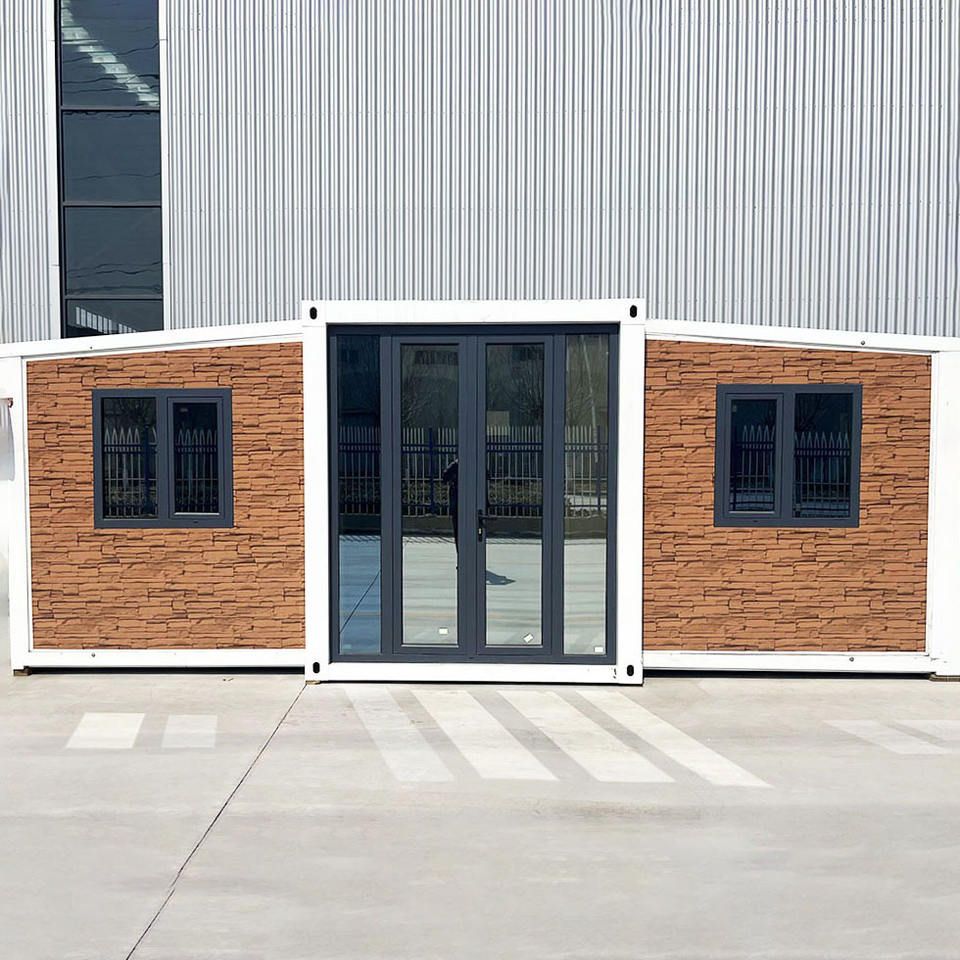
Mobile Toilet Type Selection: Independent mobile toilets feature a single-stall structure, suitable for scattered placement within malls. Modular mobile toilets use interlocking components to create parallel or tiered layouts with multiple stalls, ideal for areas requiring a higher number of stalls. Trailer-mounted mobile toilets offer mobility, facilitating quick relocation between different mall venues.
Sewage Disposal Method Selection: Flush toilets require connections to water sources and sewage pipes, making them suitable for fixed mall locations. Foam-sealing and waterless packaging toilets are better suited for temporary mall venues lacking water supply and drainage systems.
Functional Configurations: Depending on the mall's usage scenarios, optional facilities such as sinks, mirrors, hooks, emergency lighting, and accessibility handrails can be installed to enhance the user experience. For instance, Xijiao Bailian Mall uses smart toilet seats with warm water washing and warm air drying functions.
Surrounding Environment Constraints: Mobile toilets must maintain a safe distance from specific areas, being at least 15 meters away from drinking water sources and food stalls, and kept away from electrical distribution equipment and gas storage areas, while avoiding the main airflow directions of the venue.
Post-Installation Maintenance and Operations Considerations: Ensure that access roads to the toilet locations are unobstructed, allowing easy access for cleaning and maintenance vehicles. If the location is remote and vehicles cannot reach it, this will increase labor costs for maintenance and operations.