
Back to blog
Article
Shop Mobile Restroom Toilet
Admin October 10, 2026
If a shop requires a mobile restroom toilet, it can be selected based on actual needs from aspects such as product types, material structures, customization processes, internal configurations, and leasing services.
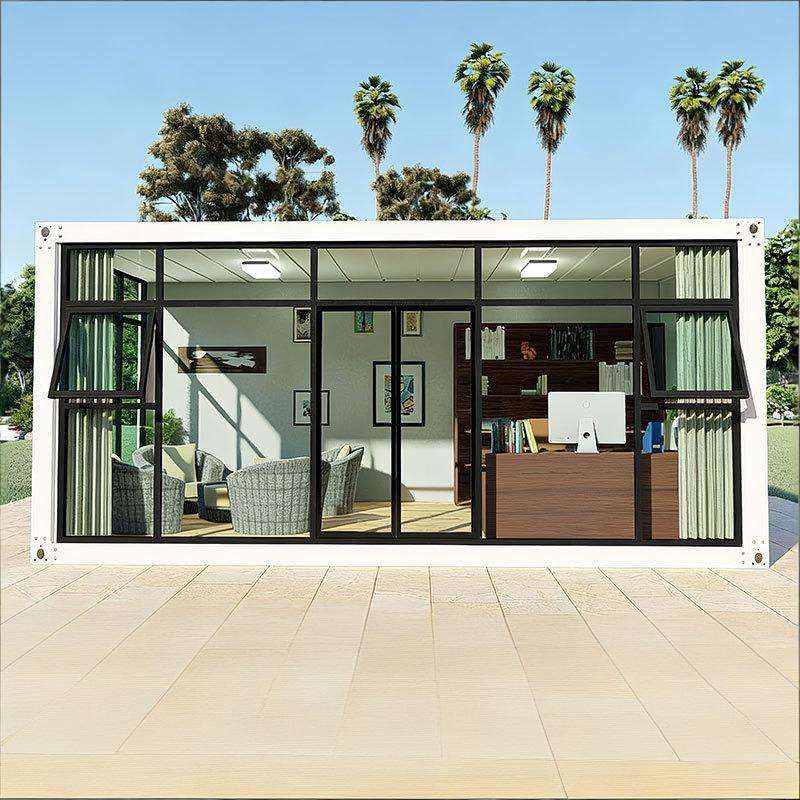
Product Types
- Single-unit: A single independent compartment, suitable for shops with dispersed foot traffic, compact in space and flexible in installation.
- Modular: Form multiple toilet stalls through modular assembly, can be equipped with facilities such as sinks and urinals, suitable for shops with high foot traffic or complex functional requirements.
- Special Types: Include mobile toilets with barrier-free access (convenient for disabled individuals), eco-friendly ecological toilets (such as those using microbial degradation or recycled water flushing to reduce water consumption), and luxury mobile toilets (equipped with air conditioning, lighting, exhaust fans, etc., to enhance user comfort).
Material and Structure
- Main Frame: Generally made of steel structure to ensure stability and durability.
- Exterior Wall Materials: Options include galvanized steel sheets, stainless steel sheets, aluminum sheets, or metal carved panels, combining aesthetics with corrosion resistance.
- Internal Treatment: Commonly uses rock wool or polyurethane for thermal insulation, with non-slip flooring and a waterproof layer on the ground.
- Door and Window Design: Often uses aluminum alloy profiles with insulated tempered glass to ensure light transmission and safety, with some customized models featuring skylights and ventilation sliding windows.
Customization Process
- Requirement Communication: Determine dimensions and layout, door and window positions and opening methods, internal circuit configurations (such as sockets, lighting, air conditioning reservations), exterior colors, and logo designs.
- Design Proposal: The enterprise provides a reasonable proposal based on site conditions, and after confirmation, enters the factory prefabrication stage.
- Production and Installation: The production cycle is generally 7 to 15 days. After prefabrication, it is transported to the site as a whole or in modular form, and can be used after hoisting or assembling and connecting to water and electricity.
Internal Configuration
- Basic Configuration: Includes lighting systems, sockets, distribution boxes, exhaust fans, etc.
- Optional Upgrades: Can be equipped with inverter air conditioners and other equipment to enhance the user experience.
Leasing Services
Some enterprises offer mobile toilet leasing services, such as Changzhou Runlong Environmental Protection Technology Co., Ltd., which provides long-term leasing of mobile toilets for construction sites and simple scenarios, suitable for short-term or temporary needs.
Related



