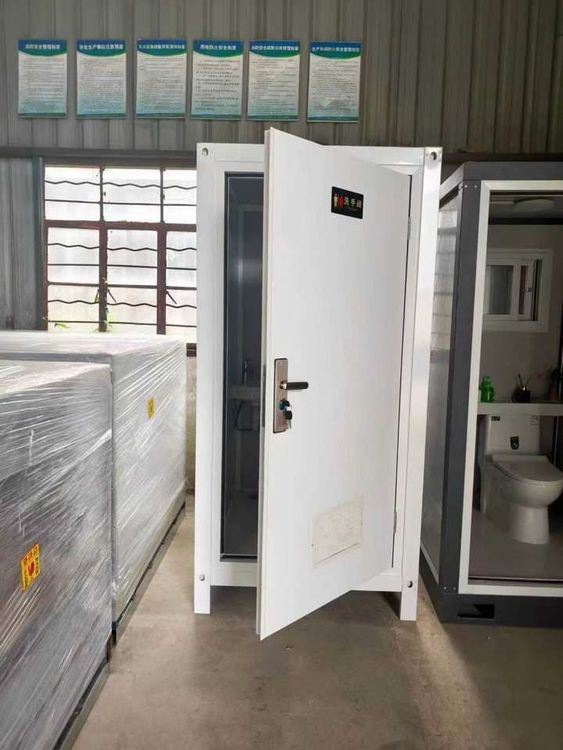
Shiyan Mobile Toilet Planning
The planning of mobile toilets in Shiyan requires comprehensive consideration of multiple factors, including site selection and layout, design and structure, material selection, sewage systems, functional adaptability, and construction and maintenance.

Site Selection and Layout: The site selection of mobile toilets should closely align with actual needs, prioritizing placement in densely populated areas such as large event venues, construction sites, transportation hubs, and scenic spots. When planning for scenic spots, it is essential to consider terrain characteristics and pedestrian flow patterns, avoiding secluded locations or overly concentrated placements to ensure convenient access for tourists.
Design and Structure: As a mountainous city, Shiyan requires mobile toilet structures that balance portability with resistance to deformation, particularly optimizing the stress distribution of the bottom frame. For outdoor plaza settings, the chassis should include ballast compartments or anchor bolt预留 holes (reserved holes for anchor bolts) to prevent tipping. Toilets serving temporary construction sites should have lifting points reserved for easy transportation.
Material Selection: Shiyan's climate, characterized by hot and rainy summers and cold and damp winters, imposes special requirements on materials. The outer shell material should balance corrosion resistance and lightweight properties, with a recommendation for high-pressure polyethylene (HDPE) one-piece molded shells, adjusting the proportion of UV-resistant additives to extend service life. Flooring materials can utilize engineered plastic floors with drainage channels and embedded anti-slip particles to ensure anti-slip performance under cold conditions.
Sewage Systems: Depending on the usage scenario, choose between direct discharge or circulating sewage designs. Direct discharge relies on septic tanks or sewage trucks for regular extraction and is suitable for areas covered by municipal sewage networks. Circular systems employ microbial degradation or solid-liquid separation technologies and are more suitable for remote areas. In areas without municipal sewage network coverage, precise calculation of the sewage storage tank capacity and the installation of liquid level alarms are necessary to prevent overflow.
Functional Adaptability: The functions of mobile toilets should be customized according to the usage scenario. For example, mining areas require explosion-proof lighting and anti-static flooring; scenic spot toilets should emphasize diversity in appearance and functionality, equipped with barrier-free facilities,母婴室 (nursing rooms), and children's dedicated stalls to meet the needs of different groups.
Construction and Maintenance: The construction process should standardize site selection, foundation construction, equipment installation, and the completion of supporting facilities to ensure project quality, safety, and environmental compliance. Post-construction maintenance should involve regular inspections of equipment operation, maintaining internal and external cleanliness, and avoiding complaints due to sanitation issues.