Shilong Mobile Toilet Rental
Shilong Town offers mobile toilet rental services suitable for a variety of temporary scenarios, with comprehensive and detail-oriented service content.
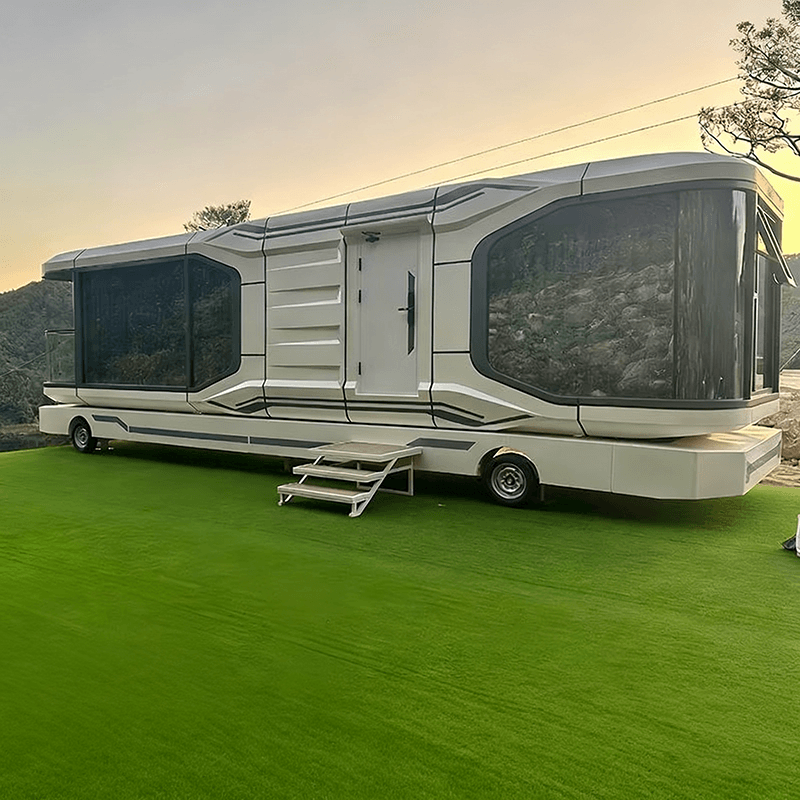
I. Applicable Scenarios and Flexibility The mobile toilet rental service in Shilong Town is primarily aimed at temporary venues or event needs, such as construction sites, large outdoor gatherings, rural self-built houses, and temporary parking lots. Its core advantage lies in requiring no civil engineering work, as it can be placed into use via a crane and quickly redeployed to different locations as needed, for example, from the east side of the river to the west side, significantly improving resource utilization efficiency.
II. Configuration Differences and Functional Grading The internal configurations of mobile toilets are divided into basic and upgraded models based on usage scenarios:
- Basic Model: Equipped with a squat toilet and a simple handwashing device, suitable for short-term use at construction sites to meet basic hygiene needs.
- Upgraded Model: Features an integrated water tank, lighting, a makeup mirror, and even air conditioning, suitable for scenarios with higher comfort requirements such as weddings and high-end exhibitions.
III. Service Process and Detail Assurance The rental service typically includes the entire process of delivery, installation, regular waste removal, and final retrieval. Reliable service providers clarify the following details to avoid disputes:
- Transportation Distance and Rental Period Calculation: Agree on fee standards in advance to prevent additional charges.
- Damage Liability Division: Clearly define compensation rules for equipment damage to protect the rights and interests of both parties.
IV. Site Selection Principles and User Experience The site selection for mobile toilets requires comprehensive consideration of the following factors:
- Pedestrian Flow Lines: Ensure easy access for users to avoid congestion.
- Ventilation Conditions: Reduce odor accumulation and improve the hygiene environment.
- Space for Waste Removal Vehicle Operations: Reserve sufficient space for regular maintenance to ensure long-term use.
V. Material, Structure, and Type Optimization
- Material Upgrades: Early models used wood, but now glass fiber reinforced plastic and polyethylene are commonly used, offering both durability and environmental friendliness.
- Structural Classifications:
- Divided into single-unit and composite structures by form;
- Divided into lifting, handling types and powered, towed types by mobility method;
- Divided into water-flush, non-water-flush suction, circulating water-flush, and dry-packing types by wastewater treatment method.
VI. Design Principles and Social Value The design of mobile toilets adheres to the principles of mobility, cost-effectiveness, durability, and environmental ecology, featuring advantages such as mobility, modularity, and ease of transportation. Their application effectively compensates for the shortage or unreasonable layout of fixed public toilets, becoming an important supplement to urban temporary sanitation facilities.