
Shijiazhuang Prefabricated Concrete House
The Shijiazhuang prefabricated concrete house is a customizable residential building product manufactured by Shijiazhuang Kangsheng New Building Materials Co., Ltd. It features fireproof and thermal insulation functions, but there are several aspects such as structural stability, thermal and sound insulation, and durability that require attention.
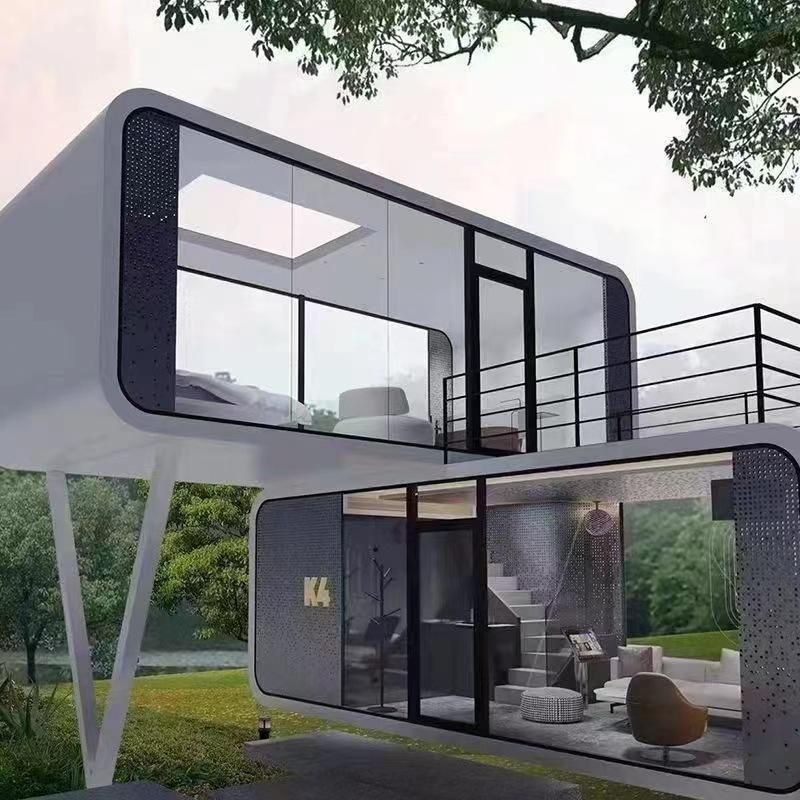
Manufacturer and Basic Information
The Shijiazhuang prefabricated concrete house is produced by Shijiazhuang Kangsheng New Building Materials Co., Ltd., located in Wuji County, Shijiazhuang City, Hebei Province. The contact numbers are 0311-80708388 (landline) or 13832378039 (mobile), and the contact person is Manager Li. The product brand is 'Shijiazhuang Building Materials', model number 001, with prices starting from 300 yuan. It supports a minimum order quantity of 1 piece, and the specifications can be customized according to residential needs. It is suitable for various places with residential requirements, produced in Wuji County, Shijiazhuang City, with a product number of 001, and is not a cross-border product.
Core Product Features
- Functional Advantages: It has fireproof and thermal insulation properties. The concrete material effectively resists combustion, reducing fire risks; the thermal insulation design reduces heat loss in winter, improving energy efficiency.
- Customization Flexibility: The specifications can be adjusted according to user needs, adapting to different terrains or residential scenarios. However, due to mold size limitations, the space for personalized design is limited, making it difficult to meet complex architectural requirements.
Potential Drawbacks and Risks
- Insufficient Structural Stability: The modular design relies on the assembly of prefabricated components. If the connection parts are not properly handled (e.g., loose bolts, inadequate concrete pouring), deformation or collapse may occur during natural disasters such as strong winds or earthquakes.
- Poor Thermal and Sound Insulation: The walls are mainly made of concrete with limited thickness, making them prone to heat absorption in summer, leading to high indoor temperatures, and weak thermal insulation in winter. The high density of concrete without a sound insulation layer allows external noise to easily penetrate indoors.
- High Durability and Maintenance Costs: Long-term exposure to the natural environment (e.g., rain erosion, freeze-thaw cycles) can cause cracks and water seepage in the concrete. If not regularly maintained (e.g., crack repair, waterproofing), the surface may weather and peel, shortening the service life.
- Transportation and Installation Limitations: The components are large and heavy, requiring specialized transportation vehicles and lifting equipment, increasing construction difficulty and costs. Remote areas or narrow sites may be inoperable.
- Environmental Issues: The production process is energy-intensive (e.g., cement burning, mold manufacturing), and the concrete is difficult to recycle after demolition, potentially leading to the accumulation of construction waste.
- Health Risks: Some materials (e.g., adhesives, paints) may release formaldehyde or volatile organic compounds (VOCs), which may cause respiratory diseases or allergic reactions with long-term exposure.
- Legal Compliance Risks: Some regions have strict regulations on the approval and construction of prefabricated houses (e.g., land use, building height). Unauthorized construction may face fines or forced demolition.
Recommended Application Scenarios
It is suitable for temporary residences, construction site dormitories, warehousing, and other scenarios with low requirements for structural stability and comfort. For long-term residence, structural inspections should be strengthened, thermal and sound insulation layers should be added, and materials should meet environmental standards. Additionally, it is advisable to consult local planning departments in advance to confirm compliance.



