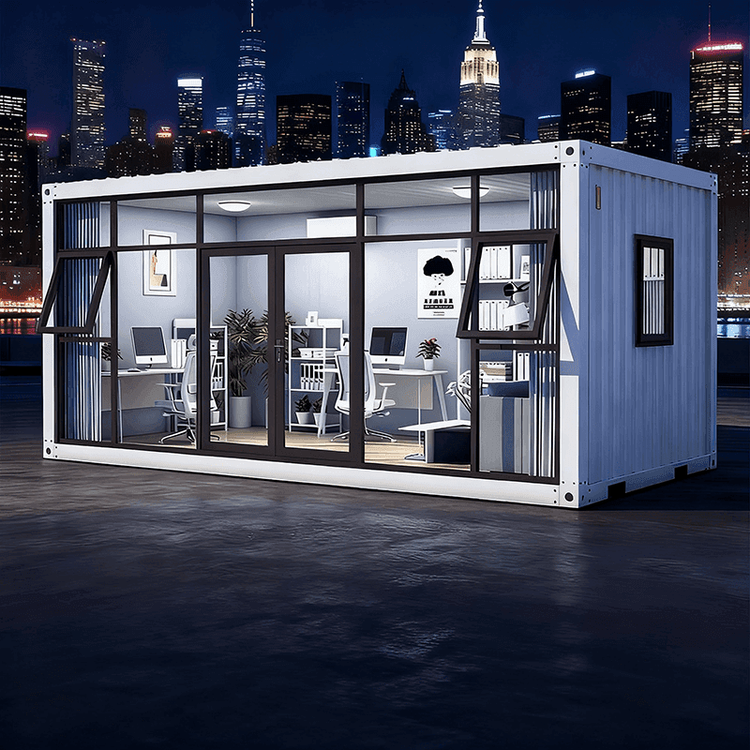
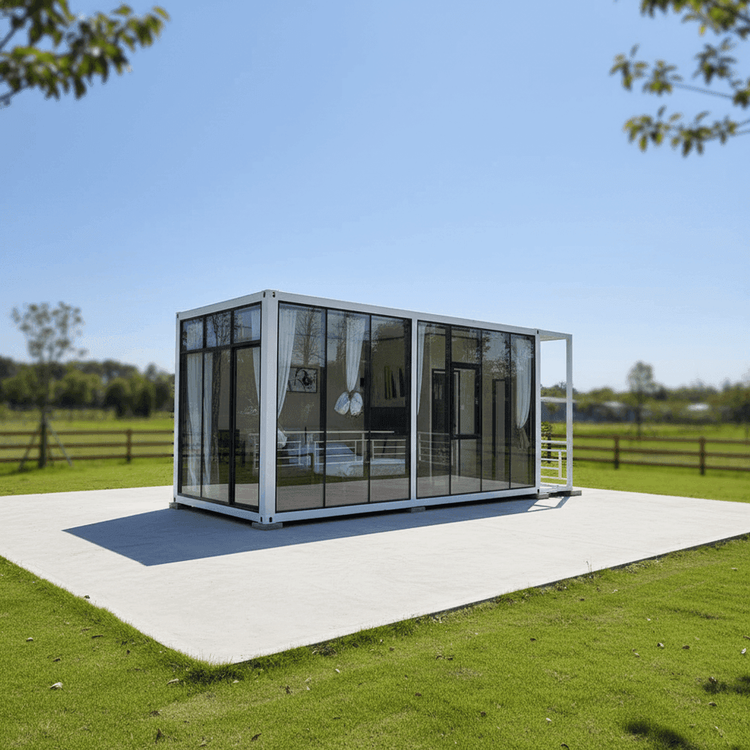
Shijiazhuang Mobile Toilet Construction
The construction of mobile toilets in Shijiazhuang requires comprehensive consideration from aspects such as quantity planning, placement requirements, material selection, and customization needs.
I. Quantity Planning Before Construction
The usage quantity of mobile toilets should be determined based on the actual number of workers on the construction site and the project duration. Typically, one standard toilet stall is required for every 30-50 workers. If the project duration is long (e.g., more than 3 months), it is recommended to add 1-2 extra backup toilets to cope with unexpected demands or equipment maintenance. For example, a construction site with 100 workers would normally need 2-3 toilets, and this number can be increased to 4 if the project duration is long.
II. Placement Requirements During Construction
- Ground Treatment: The placement area should be leveled and compacted to prevent toilet tilting or damage due to ground settlement. If the soil is soft, a simple concrete foundation (recommended thickness of 10-15 cm) should be poured or steel plates (thickness ≥ 6 mm) should be laid to ensure the stable placement of the toilets.
- Spatial Layout: A passage at least 1.5 meters wide should be reserved in front of the toilet doors to keep the ground dry and free of standing water, avoiding muddy conditions that affect usage. If the construction site environment is complex (e.g., during the rainy season), simple drainage ditches can be set up or anti-slip mats can be laid.
- Transportation Convenience: Some mobile toilets are designed with forklift holes or trailer axles at the bottom. Before construction, it is necessary to confirm that there are no obstacles (such as narrow passages or steps) on the transportation path. If necessary, a lifting plan should be planned in advance.
III. Material Selection Criteria
Shijiazhuang has a climate characterized by low winter temperatures (as low as -15°C) and heavy summer rainfall (annual precipitation exceeding 500 mm). Therefore, corrosion-resistant and moisture-proof materials should be prioritized:
- Main Structure: It is recommended to use thickened fiberglass (thickness ≥ 5 mm) or metal carved panels (aluminum-zinc alloy substrate). These two materials are corrosion-resistant, aging-resistant, and have good thermal insulation properties.
- Base Treatment: Rust prevention treatment is required, such as hot-dip galvanizing (zinc layer thickness ≥ 80 μm), to avoid rusting due to long-term contact with the ground.
- Compartment Materials: If a combination of steel and plastic is used, ensure that the steel surface is coated with epoxy resin paint and the plastic part is made of high-density polyethylene (HDPE) to enhance weather resistance.
IV. Customization Need Communication
If customization of mobile toilets is required, local manufacturers (such as Hebei Luokaibao Light Steel Keel Houses) can be contacted to discuss specification requirements, including the number of stalls, dimensions (it is recommended that standard stalls be ≥ 1.2 meters × 1.2 meters), and functional configurations (such as squat/sit toilets, hand-washing basins, ventilation systems, etc.). The customization cycle is usually 15-30 days, and construction progress should be planned in advance.