
Shijiazhuang Biodegradable Mobile Toilet
Shijiazhuang offers services related to biodegradable mobile toilets, whose products achieve eco-friendly disposal through biodegradation technology and are suitable for various scenarios.
Core Technologies and Treatment Systems
The core of Shijiazhuang's biodegradable mobile toilets lies in their treatment systems, which are mainly divided into three categories:
- Microbial Degradation Type: Specific microbial inoculants are added to the storage container at the bottom of the toilet. Through microbial metabolism, organic matter in the excreta is decomposed into carbon dioxide, water, and a small amount of biomass residue. This system requires regular replenishment of inoculants and maintenance of suitable temperature and humidity conditions (such as heating devices or insulation layers) to ensure microbial activity.
- Composting Degradation Type: The excreta is mixed with carbon source materials such as sawdust and coconut coir. Using aerobic microorganisms, fermentation occurs under high-temperature conditions to convert organic matter into stable humus (compost). This process requires regular turning of the mixture to provide oxygen and control the carbon-to-nitrogen ratio (usually 25:1-30:1) and humidity (50%-60%). The final product can be used as a soil amendment.
- Enzyme-Catalyzed Assisted Type: Specific enzyme preparations (such as cellulase and lipase) are added to accelerate the decomposition of complex organic matter as a supplement to microbial degradation. Enzyme preparations can specifically decompose difficult-to-degrade components in excreta (such as toilet paper fibers), improving treatment efficiency and shortening the degradation cycle.
Supporting Design and Environmental Advantages
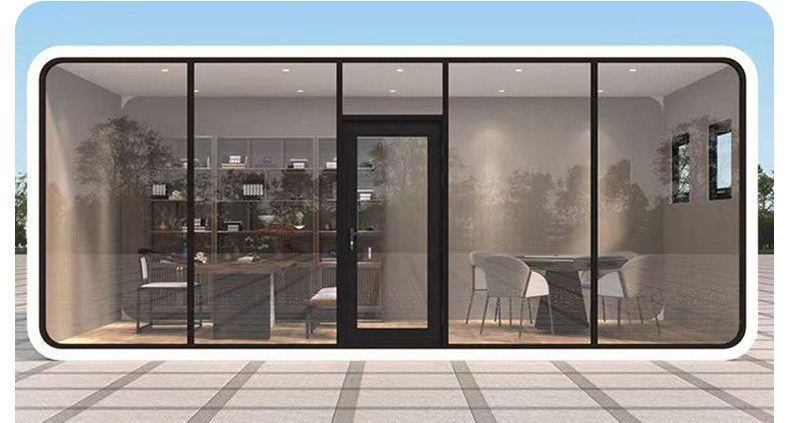
- Mobile Toilet Design: Constructed using lightweight and high-strength materials (such as fiberglass-reinforced plastic and aluminum alloy), these toilets are easy to transport and quickly assemble while emphasizing harmony between appearance and the environment. The internal space layout is reasonable, equipped with anti-slip floors, ventilation openings, and other facilities to meet basic usage needs.
- Water Conservation and Odor Control: Water consumption is significantly reduced through waterless flushing (such as foam sealing) or micro-flushing (single flush ≤ 0.5L) technologies. A forced exhaust system combined with an activated carbon filter effectively reduces odors. Urine diversion design separates urine from solid excreta for treatment, reducing nitrogen accumulation and improving degradation efficiency.
- Environmental Friendliness: No chemical agents are added throughout the process, avoiding secondary pollution. Degradation products (such as carbon dioxide, water, and compost) can directly return to nature, aligning with the concept of a circular economy.
Application Scenarios
These toilets are suitable for large-scale temporary events (such as music festivals and sports events), remote scenic spots, construction sites, and other areas lacking municipal sewer coverage. For example, the outdoor emergency mobile toilets provided by E-bins Environmental Protection in Shijiazhuang have served various scenarios, and their biodegradable characteristics are particularly suitable for short-term toilet needs in ecologically sensitive areas (such as nature reserves and wetland parks).



