Shicun Mobile Toilet
Mobile toilets come in various types and features depending on different manufacturers and designs. Here are some common types and their characteristics:

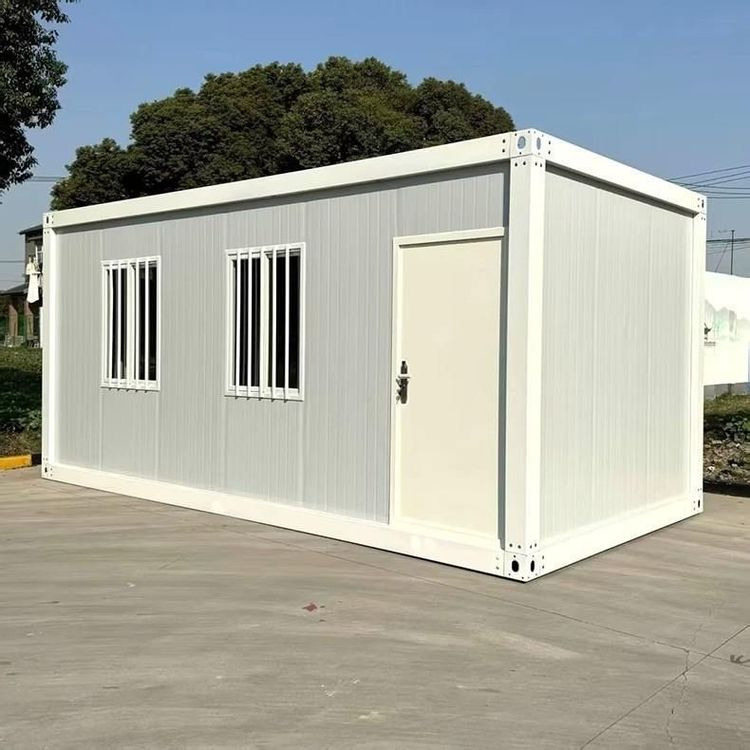
I. Container-Type Mobile Toilets Taking the container toilets produced by Suzhou Changde Integrated Housing Technology Co., Ltd. as an example, their main material is color-steel sandwich panels, which are lightweight, strong, and thermally insulating. The standard size is usually 1.1×1.1×2.3 meters (customizable), with a compact structure that can be modularly assembled, suitable for temporary construction sites, outdoor events, and other scenarios. The core advantage of this type of toilet is its mobility, allowing for quick relocation via lifting or forklift. It also employs an intelligent control system for automatic flushing, ventilation, and lighting functions. Some models are equipped with sewage treatment devices to reduce environmental pollution. The price range is 1150 to 1250 yuan, offering high cost-effectiveness for short-term or low-budget needs.
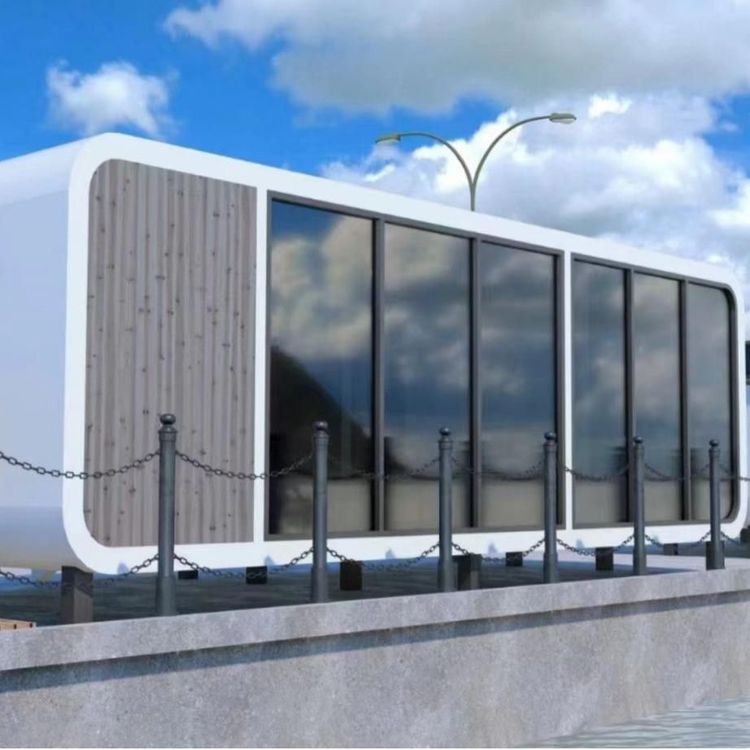
II. Skeleton-Structured Mobile Toilets The mobile toilets produced by Shanghai Chenguo Construction Engineering Co., Ltd. feature a hot-dip galvanized square tube skeleton, which is highly corrosion-resistant and has a long service life. The wall structure consists of galvanized pipe keels + interior aluminum-plastic panels + exterior metal carved panels or aluminum-plastic panels, balancing aesthetics and durability. The doors and windows are made of aluminum alloy, providing good sealing performance. The floor can be either household tiles or non-slip patterned aluminum plates to ensure safety. The interior is fully equipped, including louvers, squat toilets (or toilets), urinals, and sinks, with some high-end models also featuring air conditioning and deodorization systems. The price of this type of toilet varies based on order quantity, ranging from 5500 to 6500 yuan, suitable for long-term use or scenarios with high comfort requirements, such as tourist attractions and commercial areas.
III. Functional Expandability Mobile toilets are highly flexible in design and can be customized with functional modules such as barrier-free facilities, baby care rooms, and management rooms, or even integrate eco-friendly technologies like solar power and rainwater harvesting to further enhance their applicability. For example, container toilets can expand capacity by stacking layers, while skeleton-structured toilets can adjust interior layouts to accommodate different user groups.
IV. Environmental Protection and Maintenance Modern mobile toilets generally emphasize environmental performance, with some models using microbial degradation technology to treat waste without connecting to sewers, reducing water consumption. Regular cleaning and maintenance are sufficient to keep them hygienic, with lower maintenance costs compared to traditional fixed toilets.